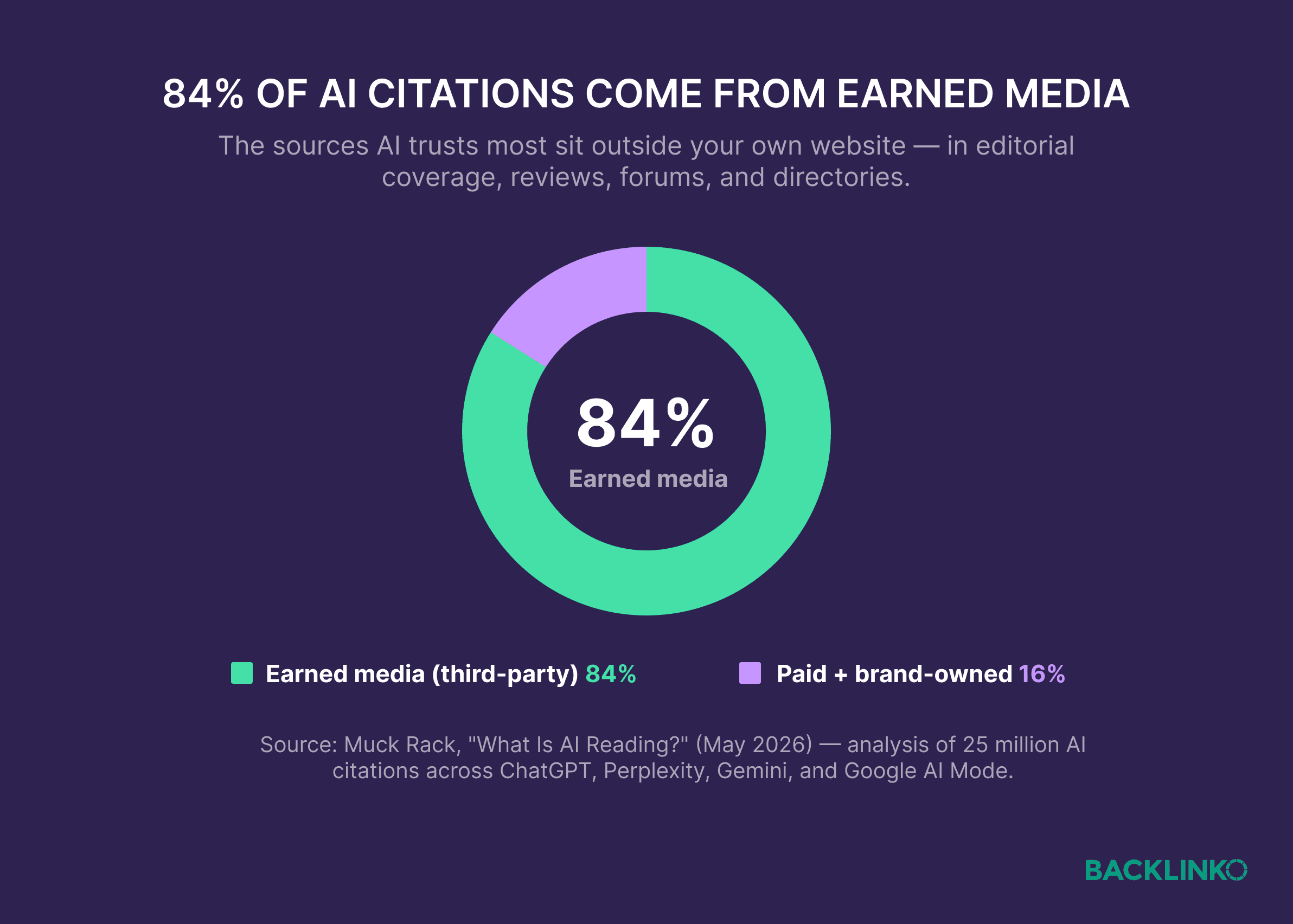
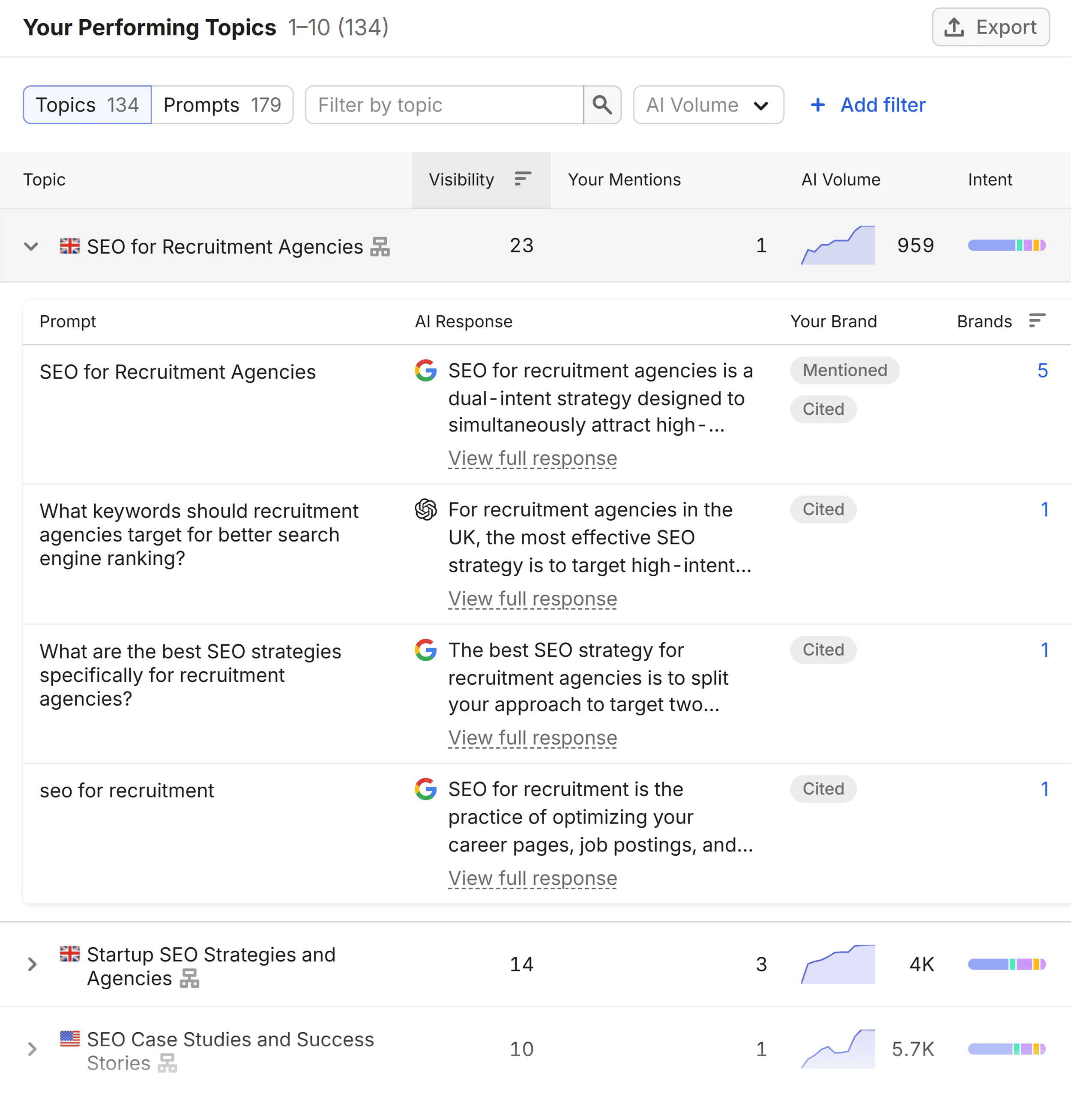
The paradigm of search engine optimization has shifted fundamentally, transitioning from traditional keyword rankings to generative engine optimization (GEO) and large language model (LLM) visibility. Recent empirical research underscores a profound transformation in how artificial intelligence systems source information: a staggering 84% of AI citations originate from earned media, editorial coverage, reviews, and community forums. As algorithms increasingly synthesize answers from a mosaic of third-party domains rather than relying solely on self-published corporate content, digital public relations has emerged as the definitive strategy for winning visibility in AI-generated search results.
Background and Industry Shift
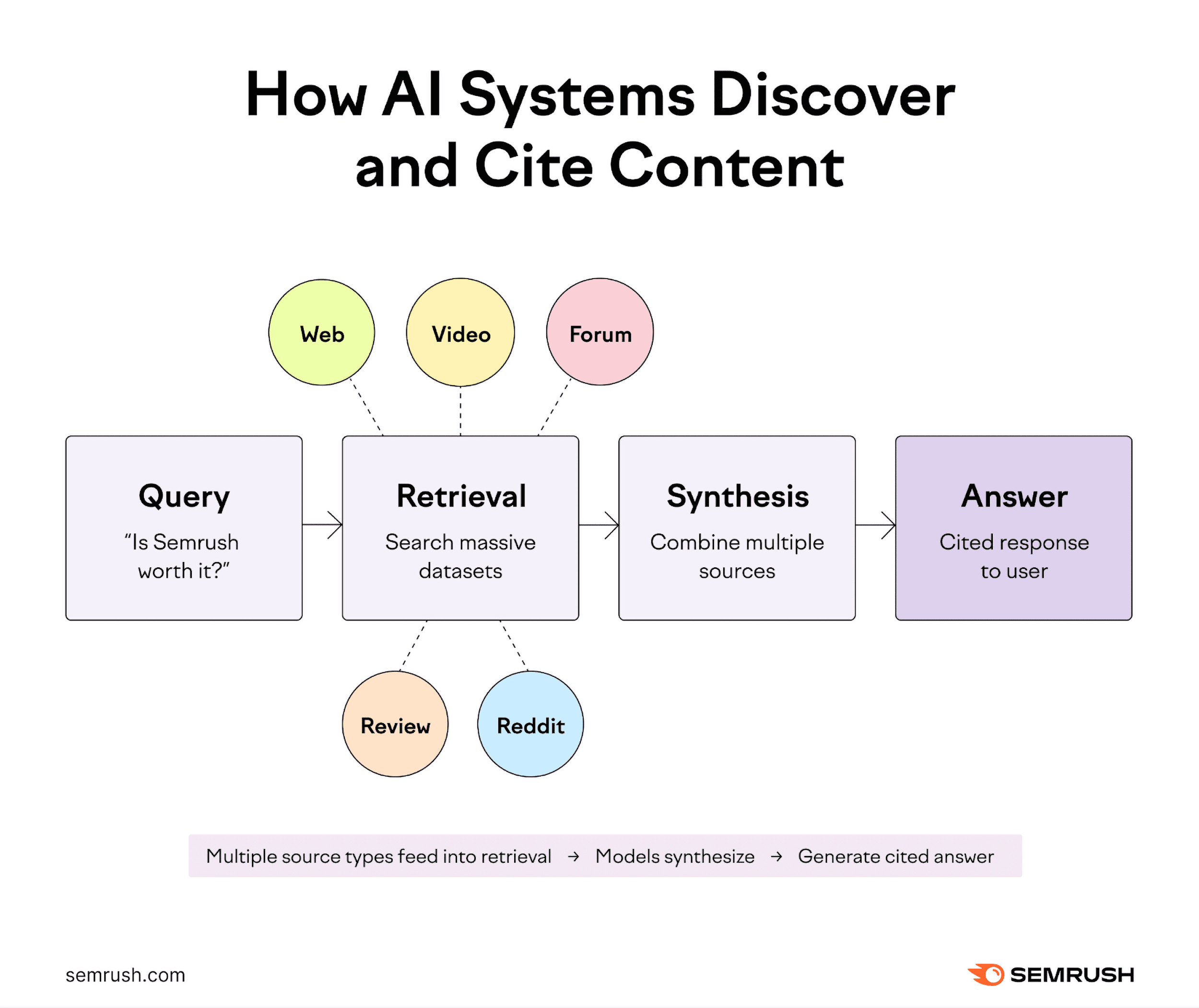
Historically, digital marketing strategies prioritized onsite optimization, technical performance, and direct publisher-to-consumer content creation. However, the rise of conversational AI interfaces—such as ChatGPT, Google AI Overviews, and Perplexity—has altered consumer search behavior. When users submit queries to modern LLMs, these systems bypass traditional blue-link directories, preferring to aggregate data from multiple independent authorities to construct a comprehensive response.
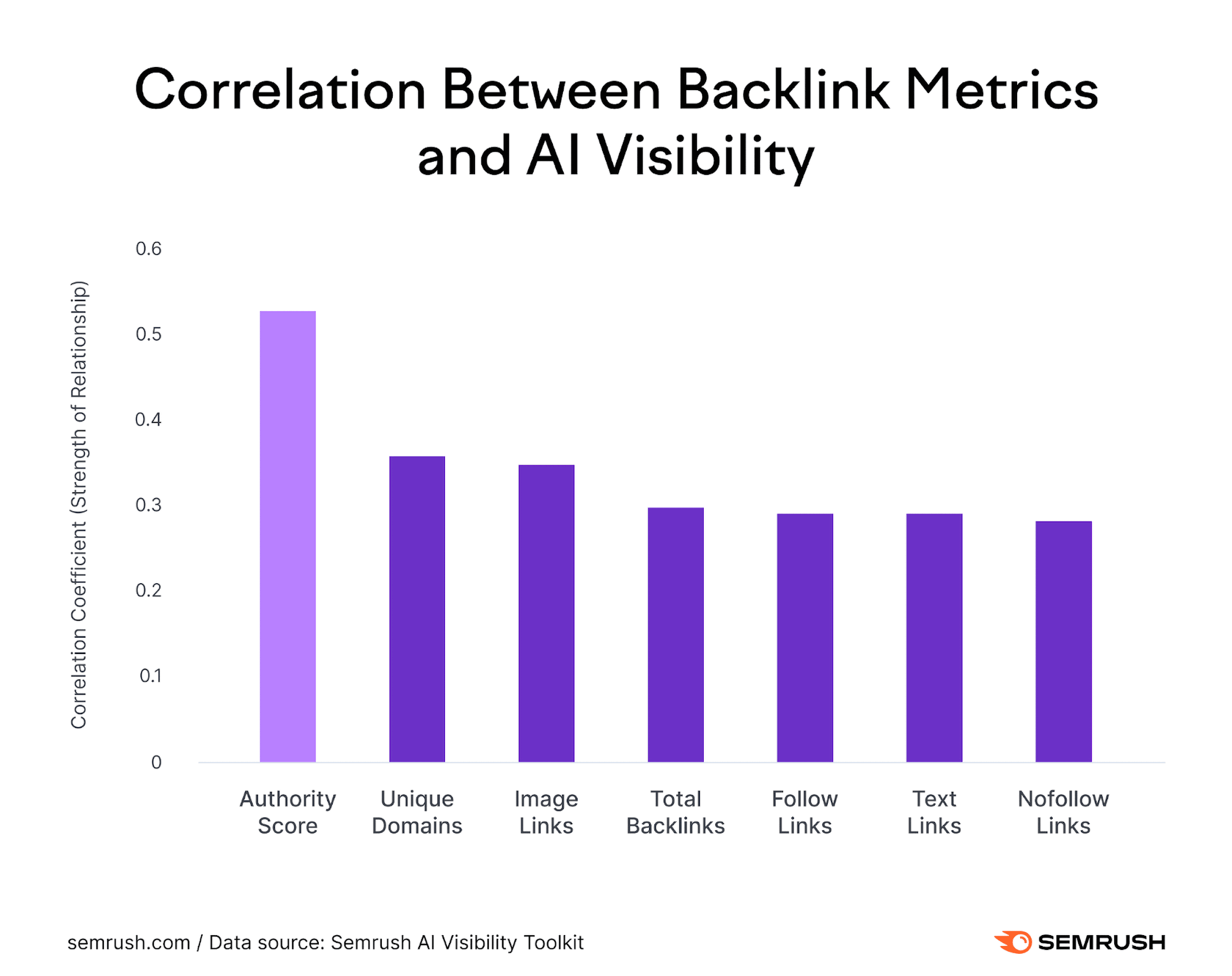
This architectural change means that third-party validation now supersedes self-promotion. Industry data compiled by analytics firms like Semrush and Seer Interactive indicates a direct correlation between a brand’s offsite authority and its frequency of citation in AI responses. Specifically, domains boasting robust backlink profiles from high-authority sources (Domain Authority 60 and above) and active community footprints dominate AI recommendations. Consequently, modern marketing executives are reallocating budgets toward sophisticated digital PR campaigns designed to embed brands within the specific ecosystems that LLMs parse for ground-truth information.
Core Digital PR Strategies for AI Dominance
To capture market share in generative search engines, organizations are deploying a diversified suite of digital PR methodologies. Each approach targets distinct vulnerabilities in how LLMs discover, weigh, and cite information.
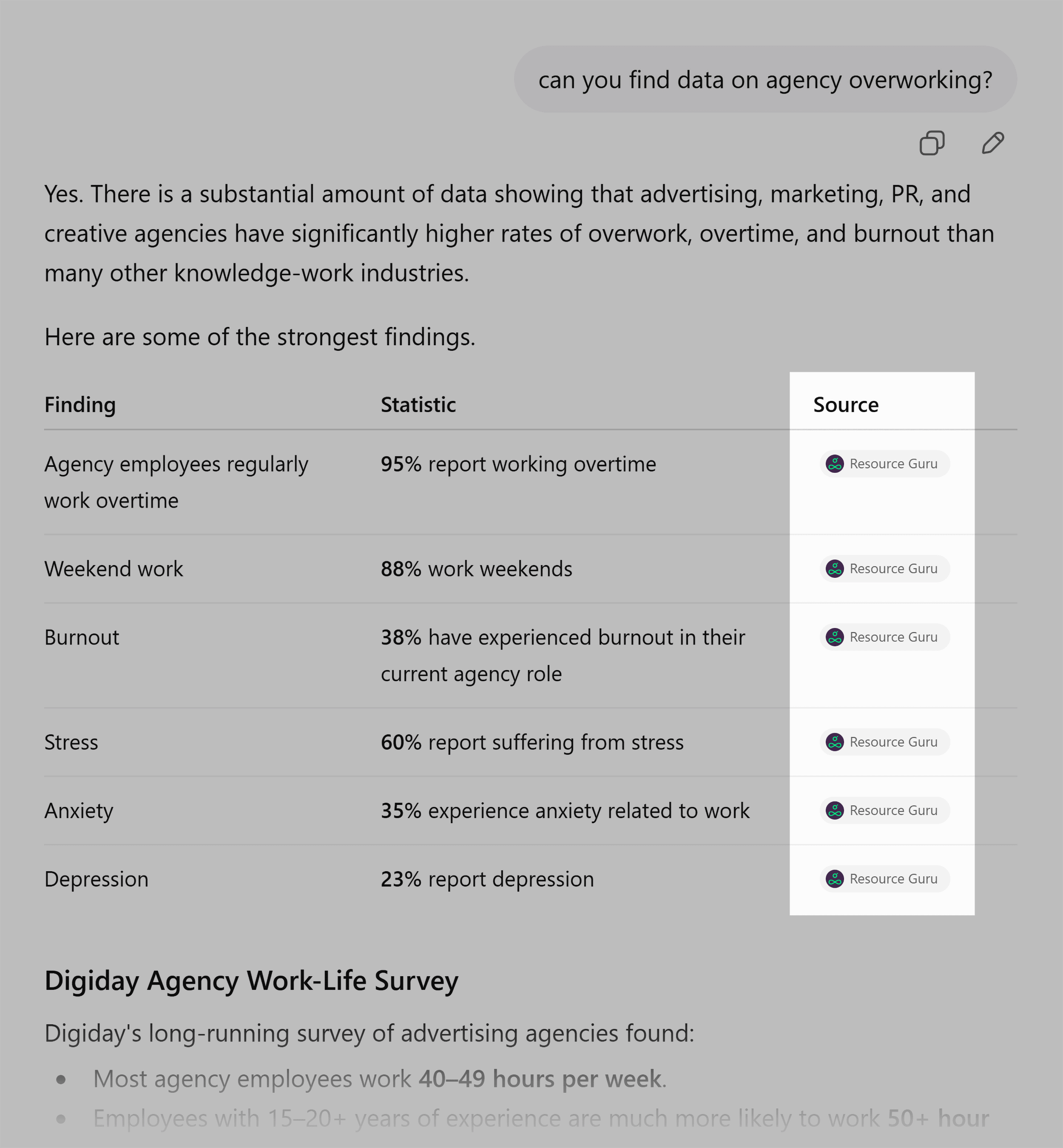
Data-Led Public Relations and Original Research
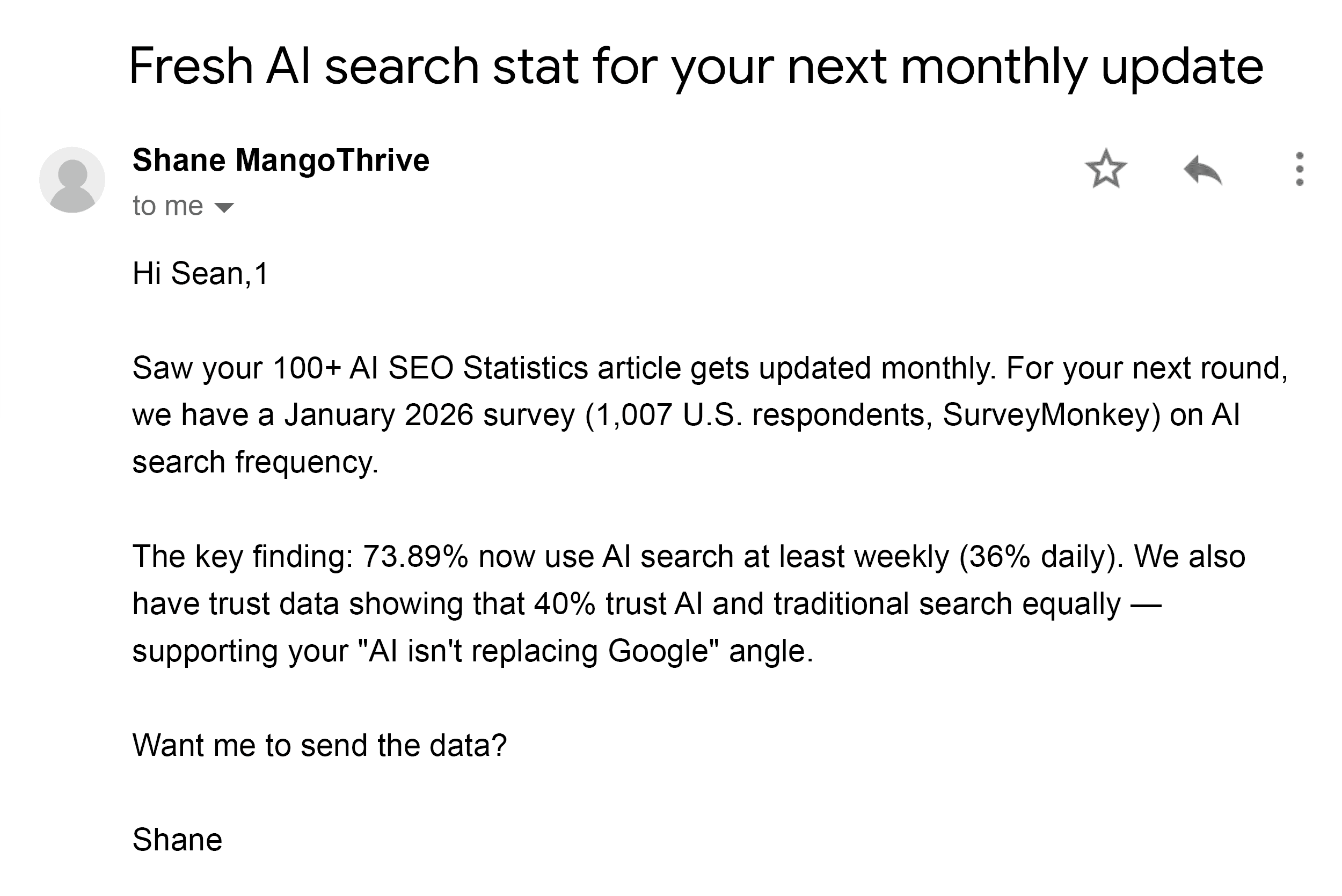
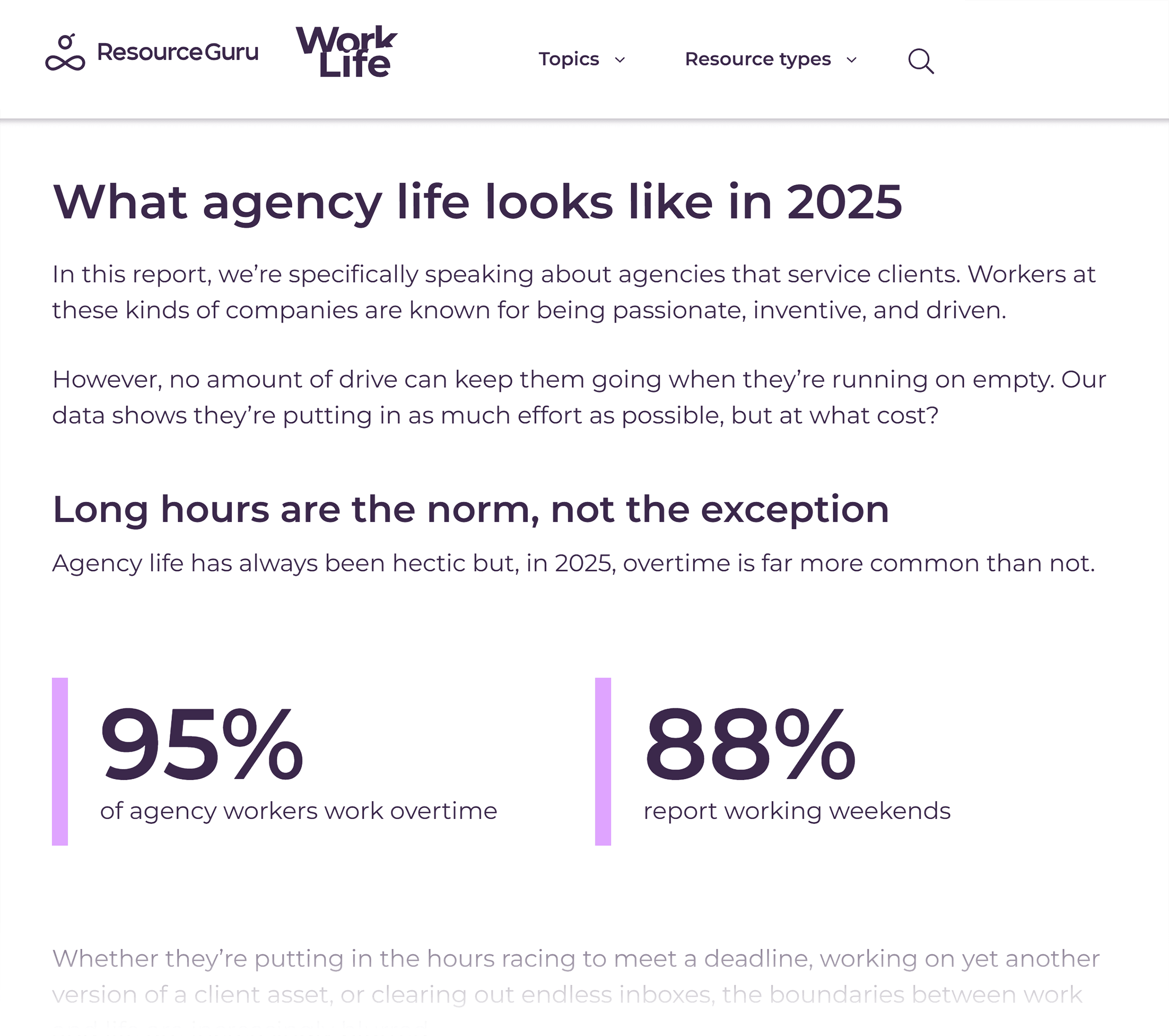
Publishing original research, proprietary datasets, and statistical roundups remains one of the most reliable methods for earning authoritative backlinks. Journalists, industry bloggers, and content creators actively seek credible figures to substantiate their reporting. When a company releases comprehensive data—such as annual workplace trend reports or industry benchmark studies—it frequently becomes the definitive source cited across major news outlets.
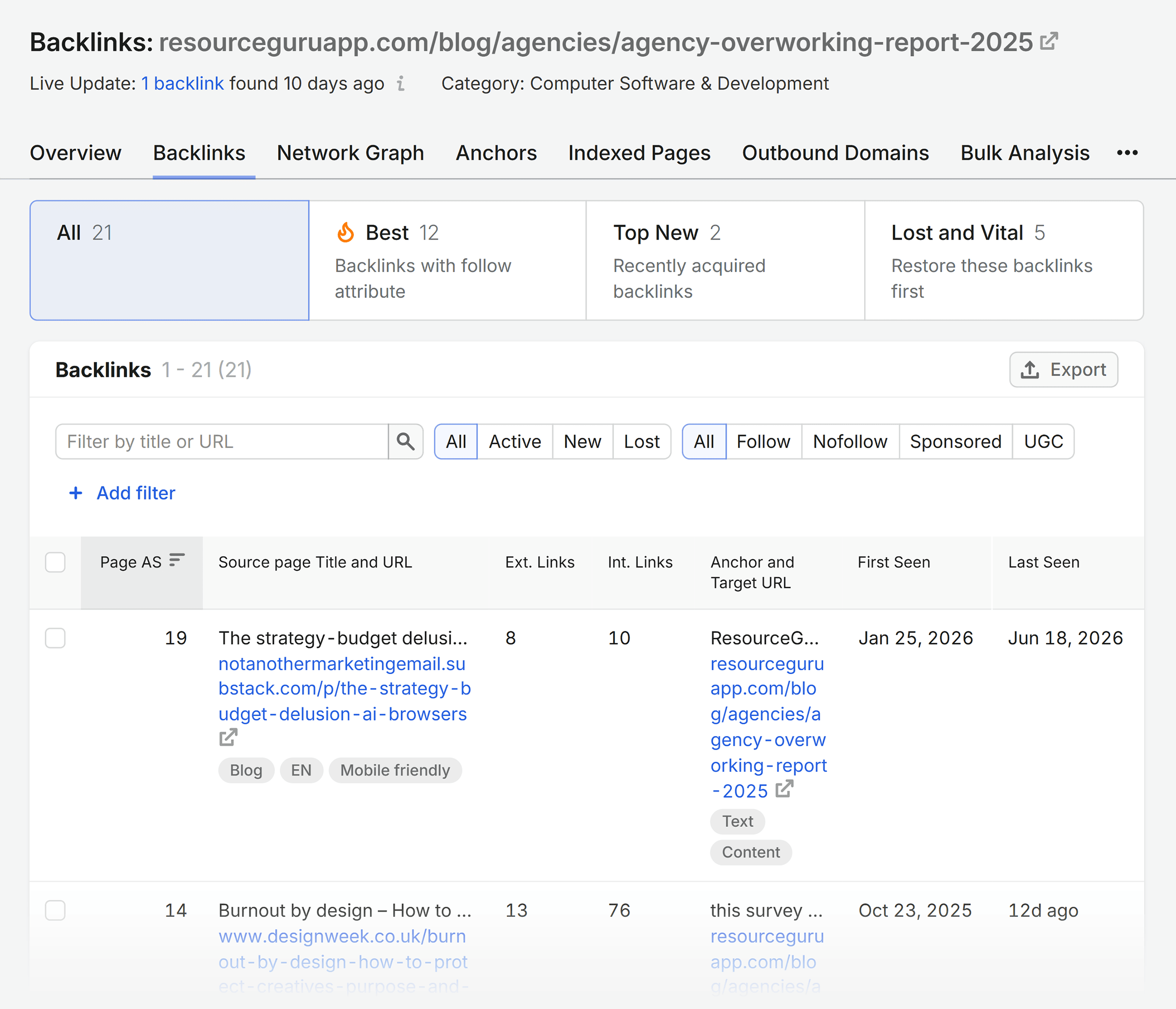
Empirical studies show that brands leveraging original data secure high-tier editorial links that directly elevate their domain authority. Because LLMs heavily favor fresh, verified statistics when answering complex queries, data-led PR acts as a foundational pillar for sustained AI visibility.
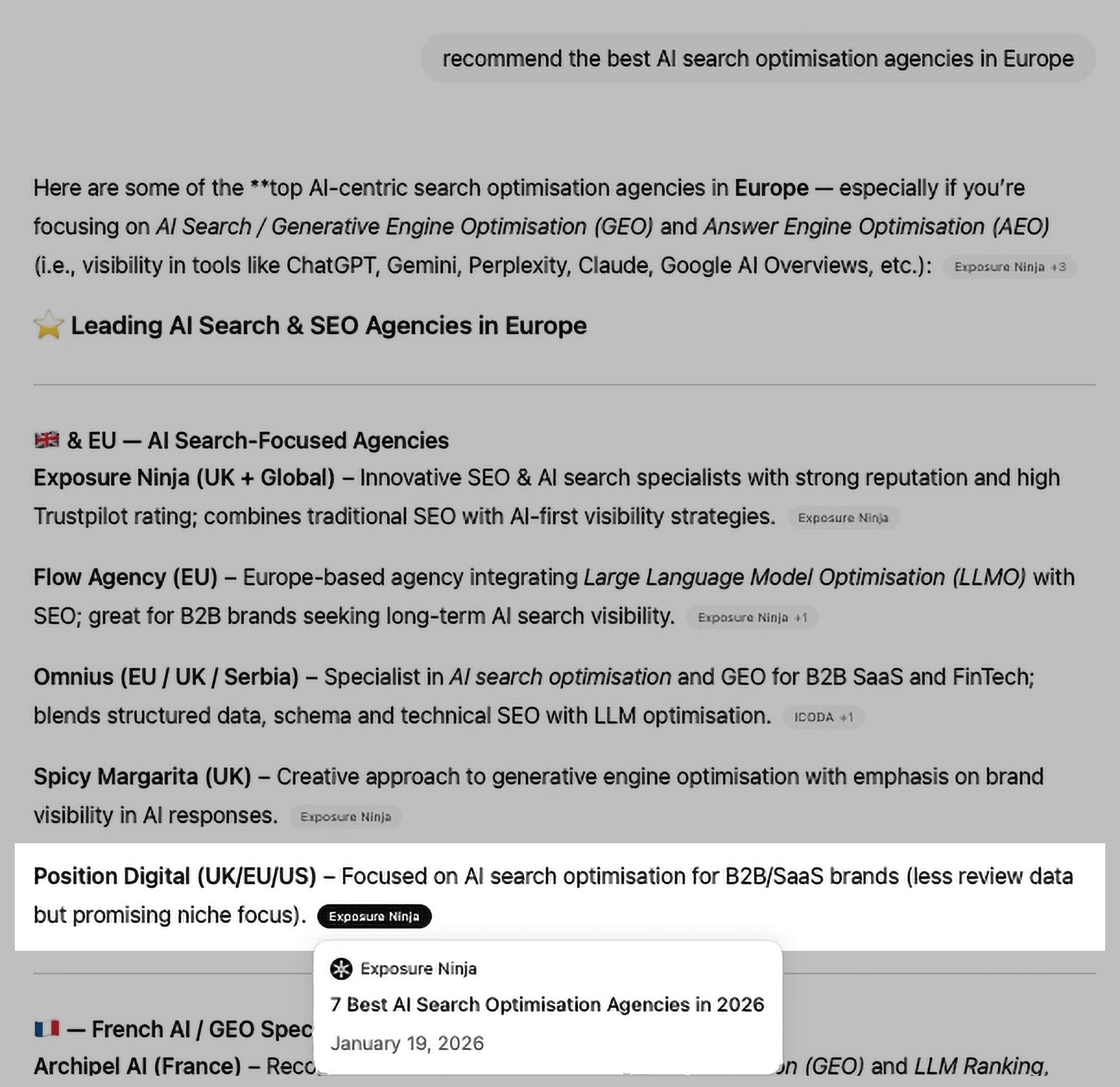
Targeted AI Citation Outreach
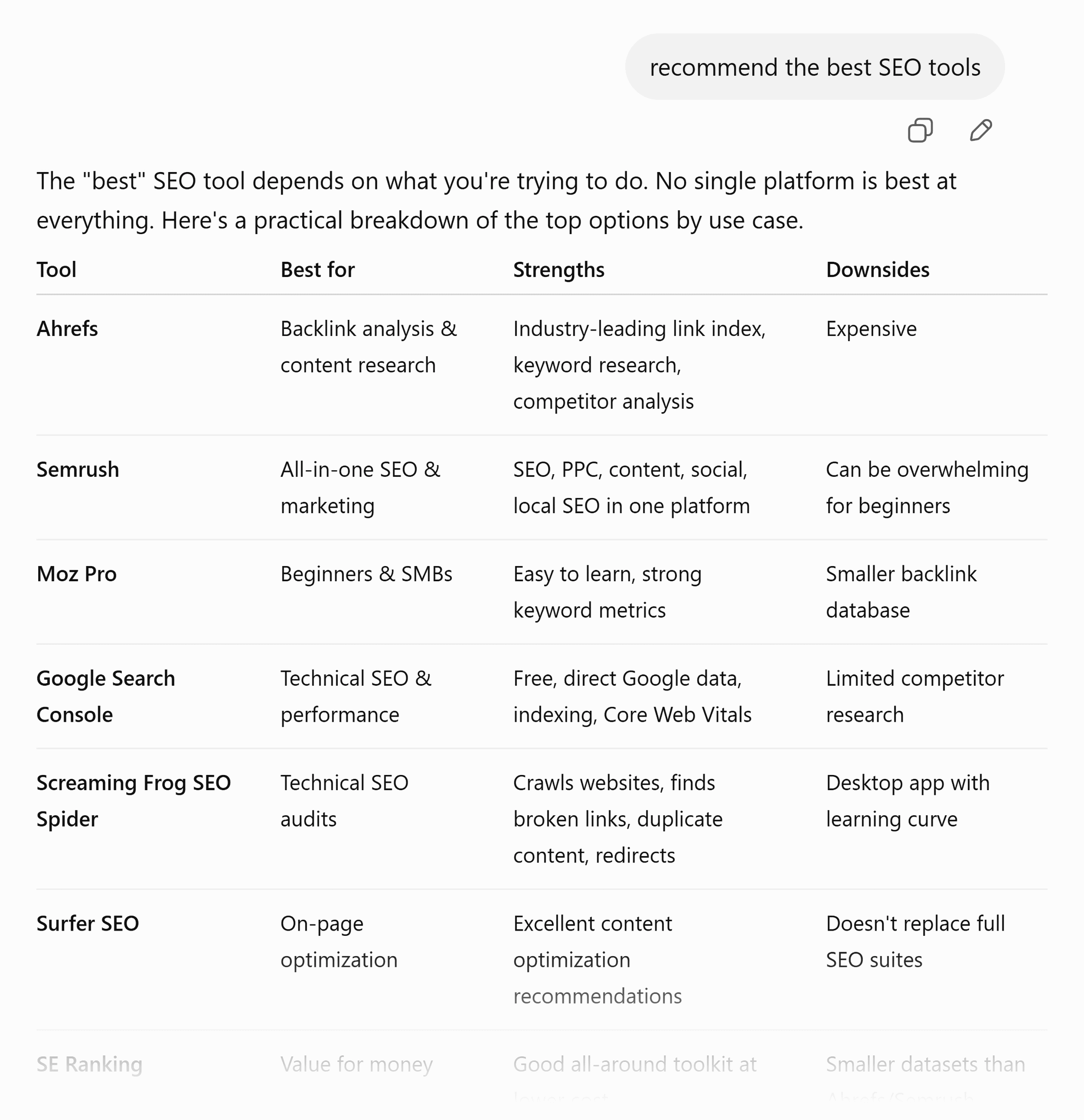
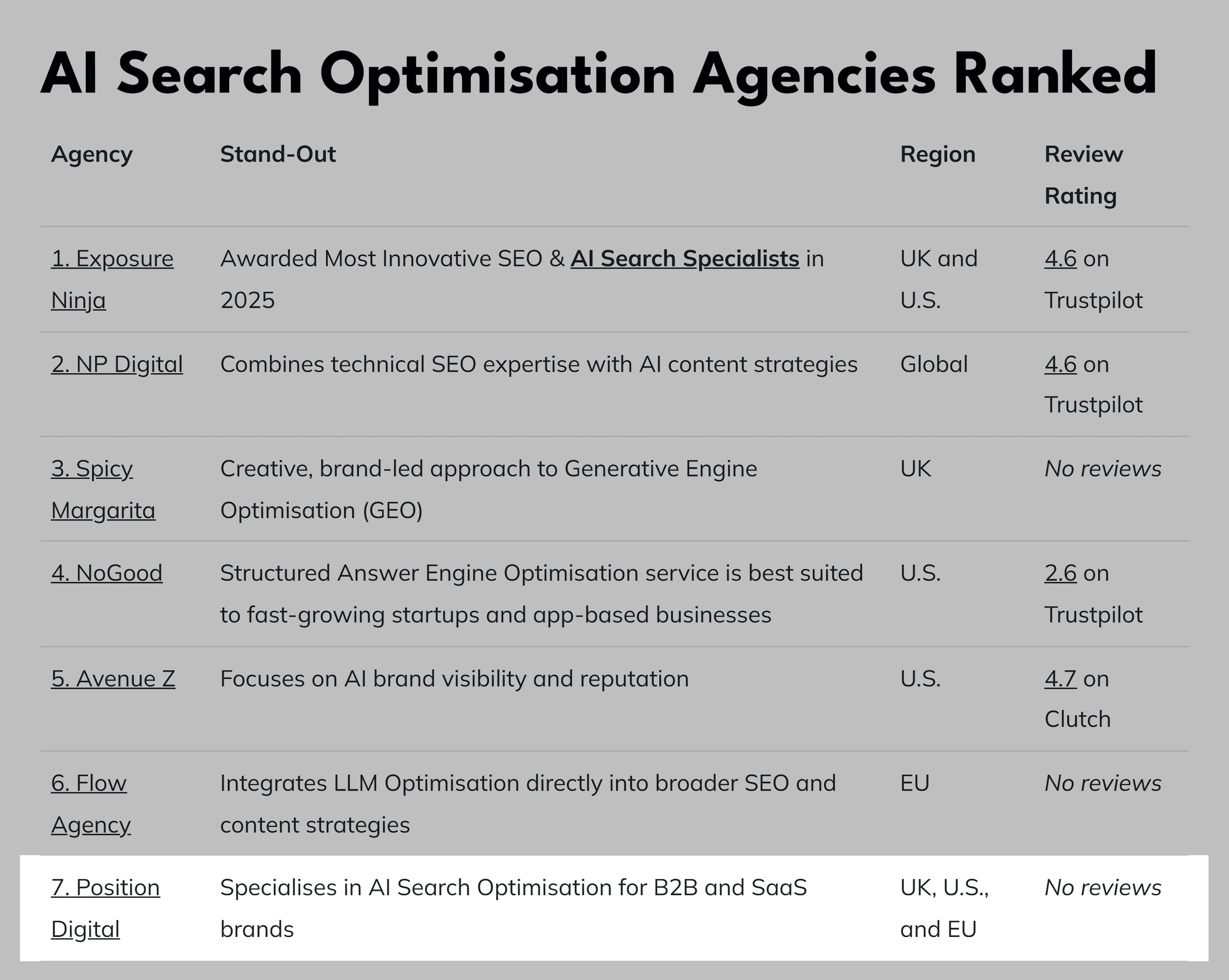
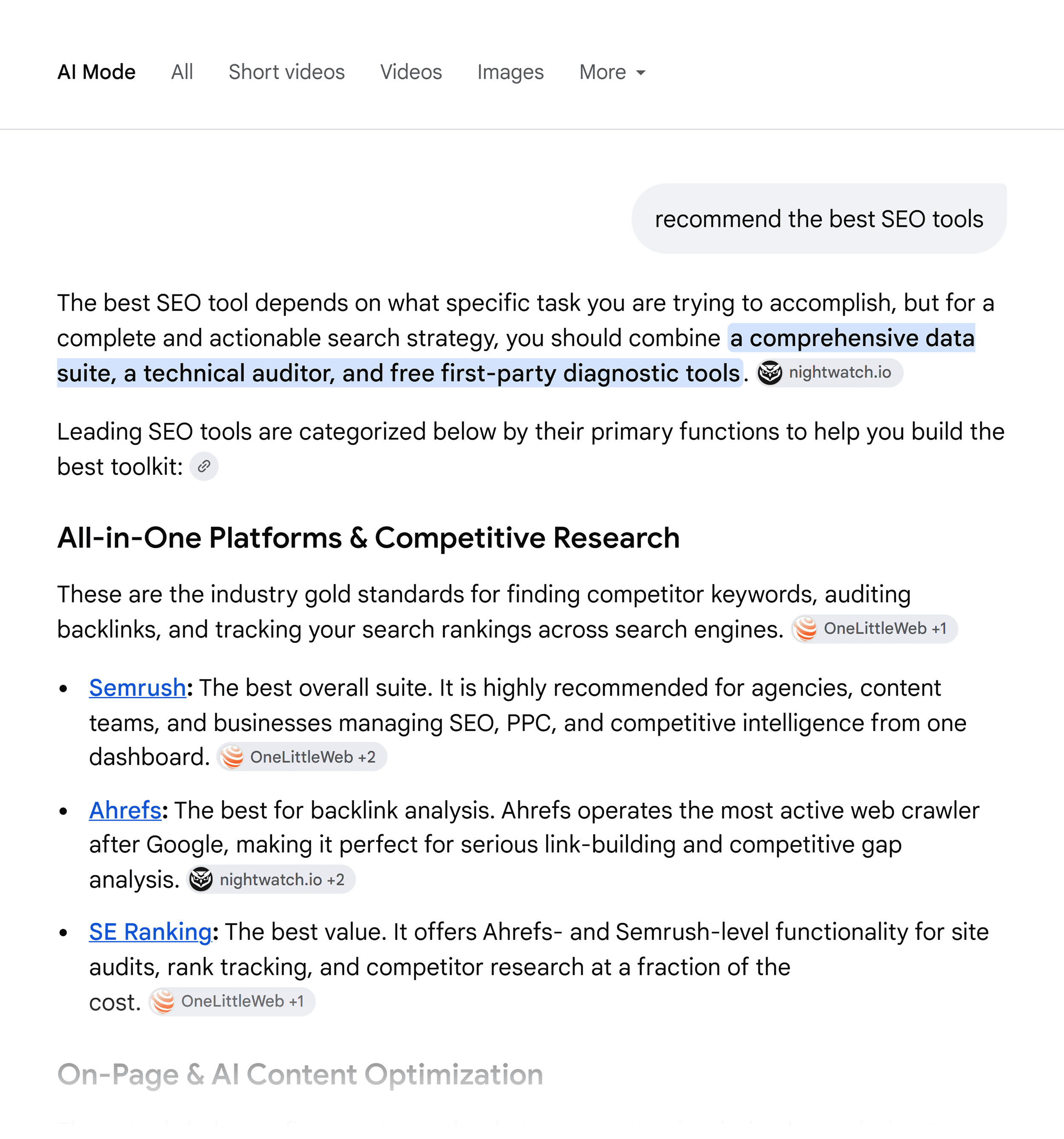
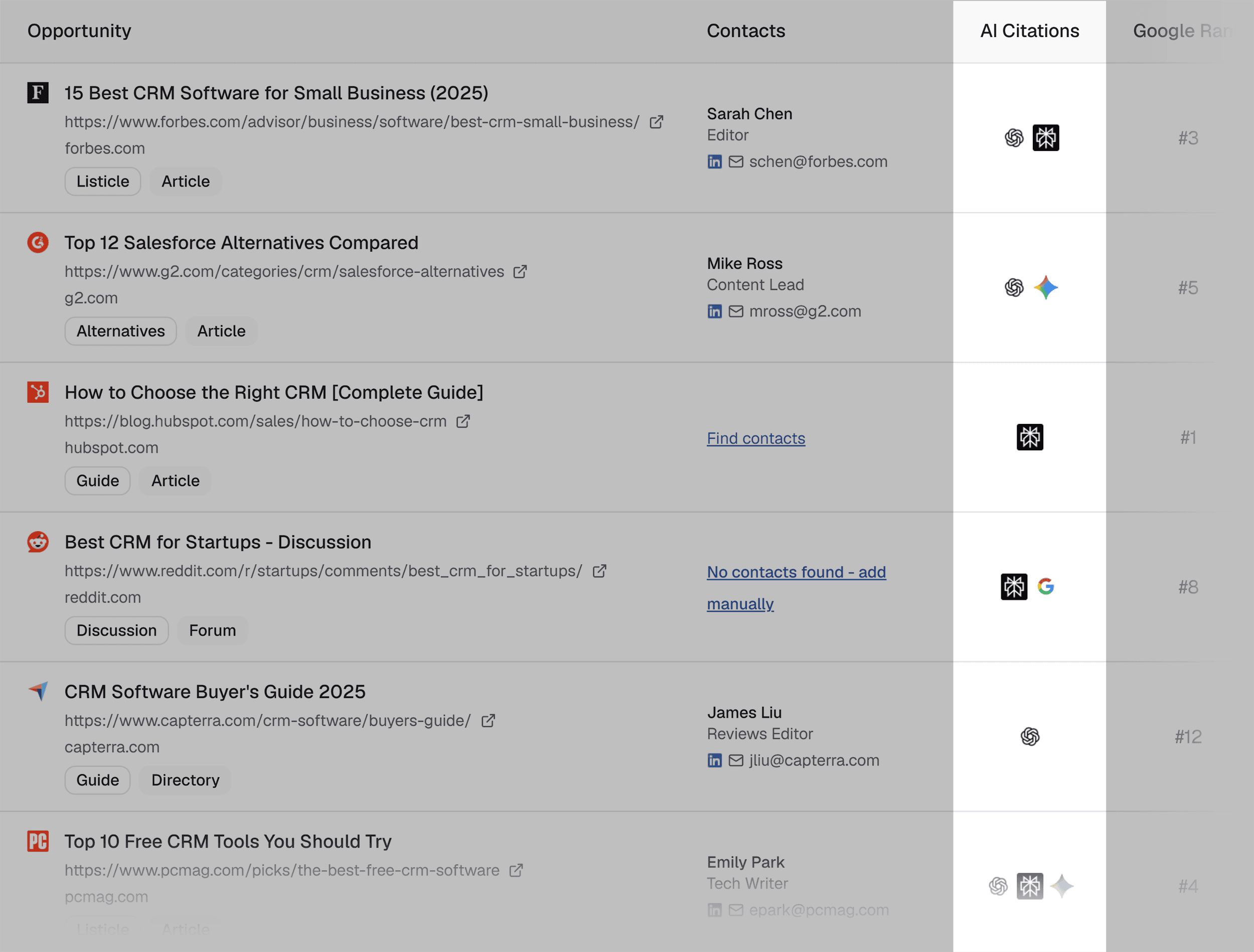
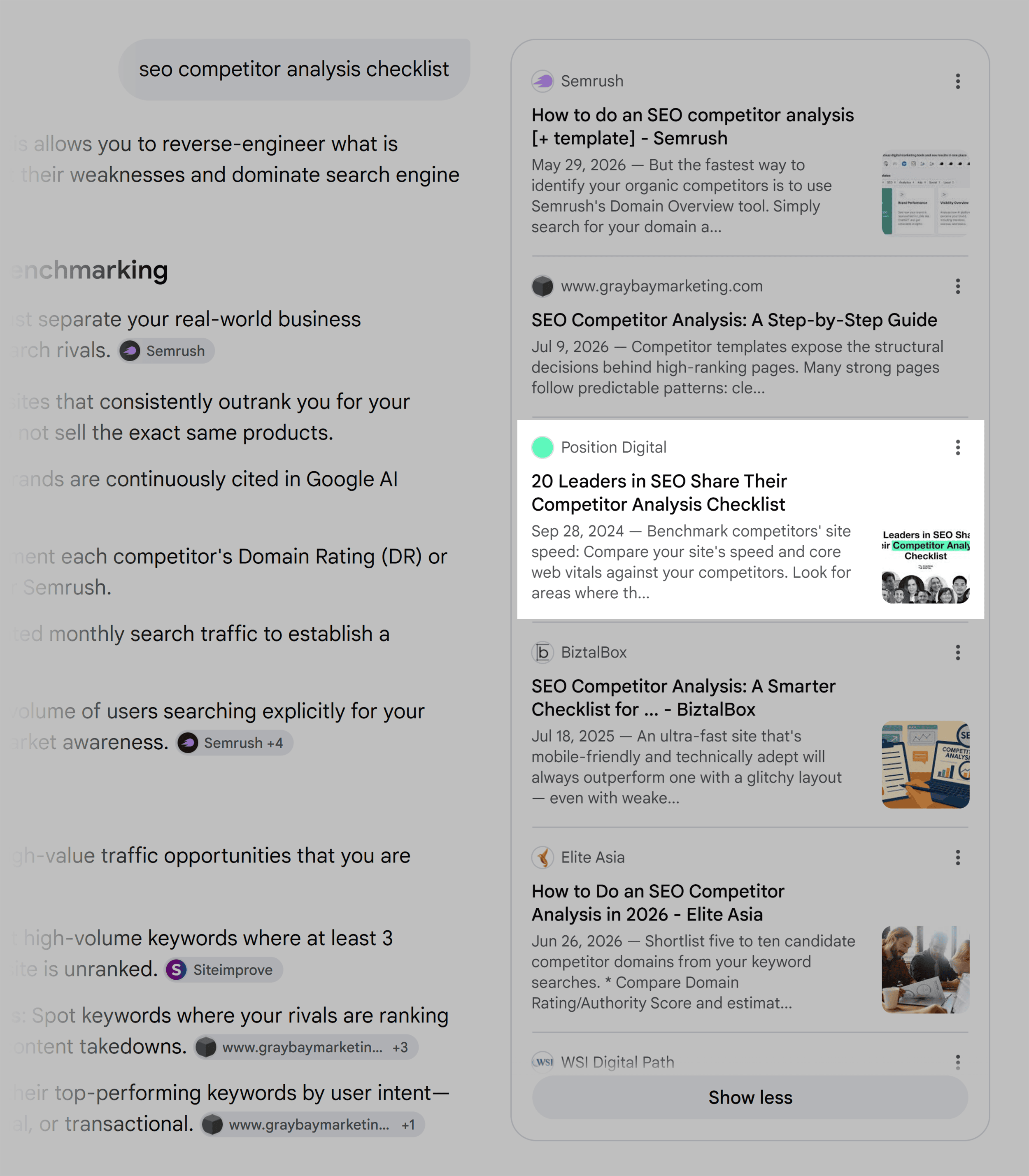
AI citation outreach involves systematically identifying the exact URLs, roundups, and comparison articles that LLMs currently reference for specific user prompts, then pitching those publishers for inclusion. Because different AI models exhibit distinct sourcing preferences—Google AI Mode and ChatGPT often pull from disparate sets of third-party listicles—marketers must map out high-intent prompts, audit the cited domains, and execute personalized outreach. Providing authors with concise, pre-formatted brand summaries significantly streamlines the inclusion process, turning external review pages into direct pathways for AI recommendations.
Reactive Public Relations and Newsjacking
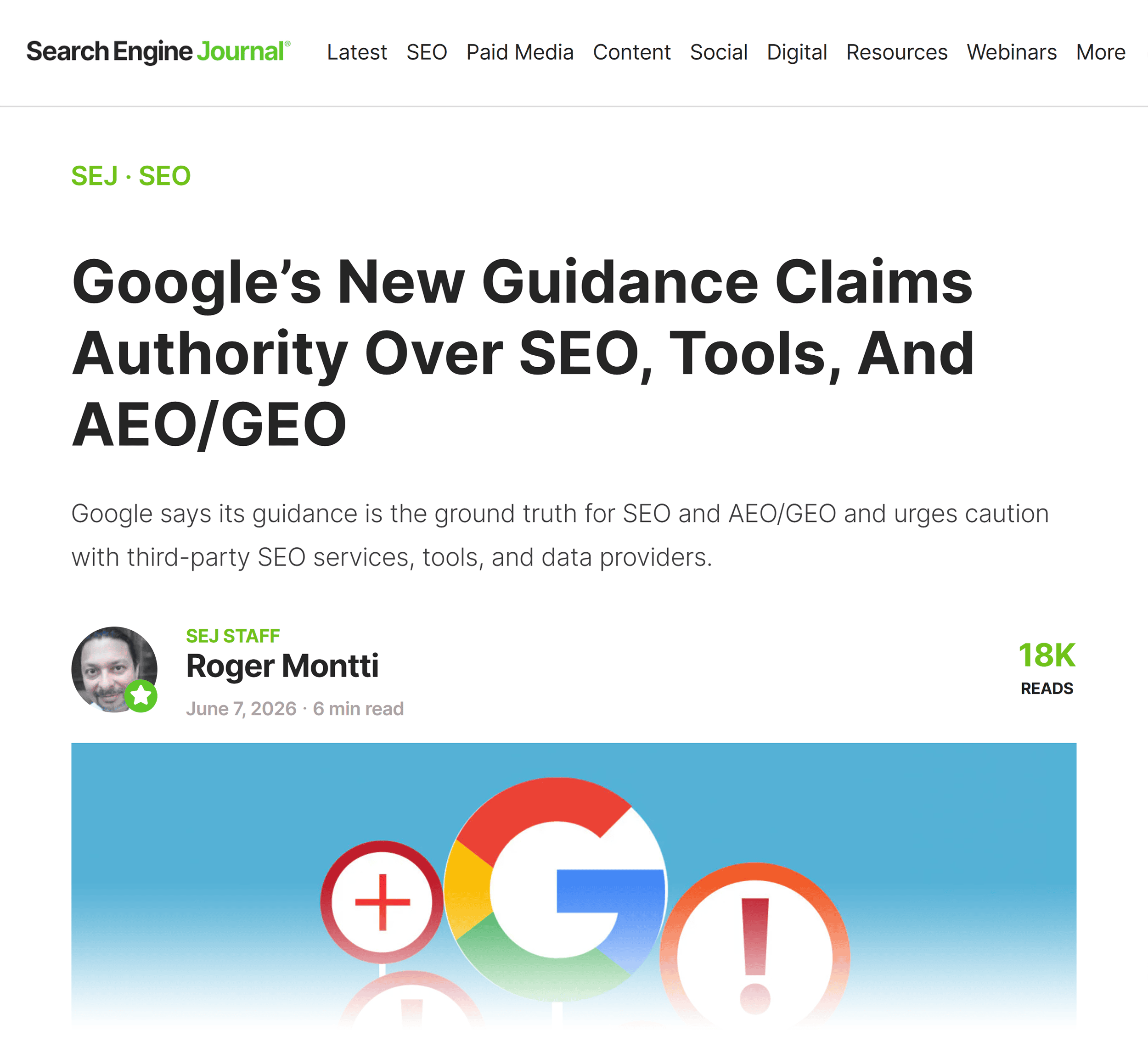
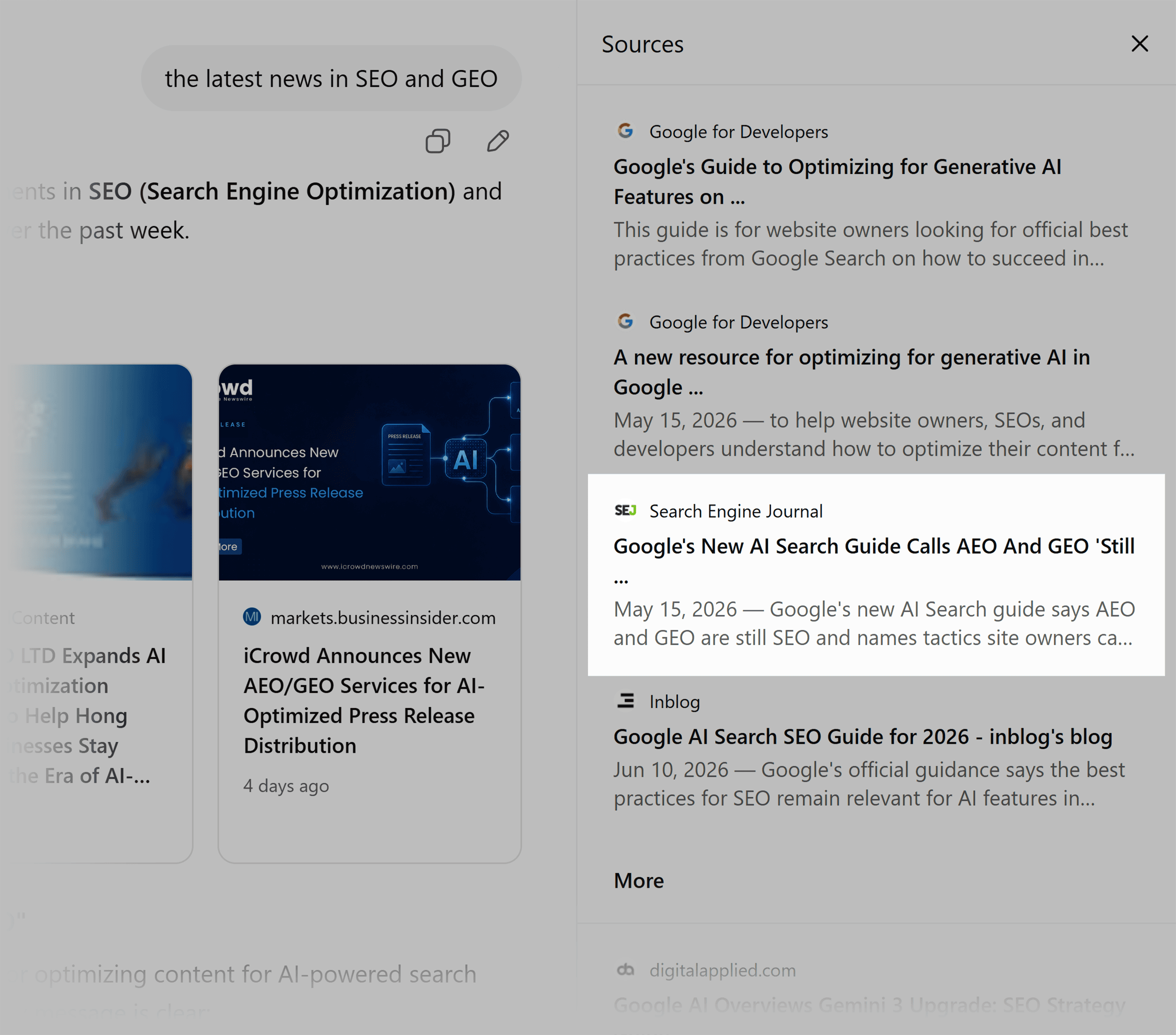
While traditional PR campaigns require months of planning, reactive PR relies on speed. LLM training datasets possess specific knowledge cutoffs, requiring systems to scan the live web for breaking news and emerging trends. When a significant industry development occurs, the first few publications to offer expert commentary or analysis are heavily indexed and subsequently cited by AI tools addressing the event. Organizations that monitor breaking news via social monitoring, industry newsletters, and RSS feeds can position their leadership as immediate subject-matter experts, capturing valuable real-time AI citations.
Ego Bait and Expert Collaboration
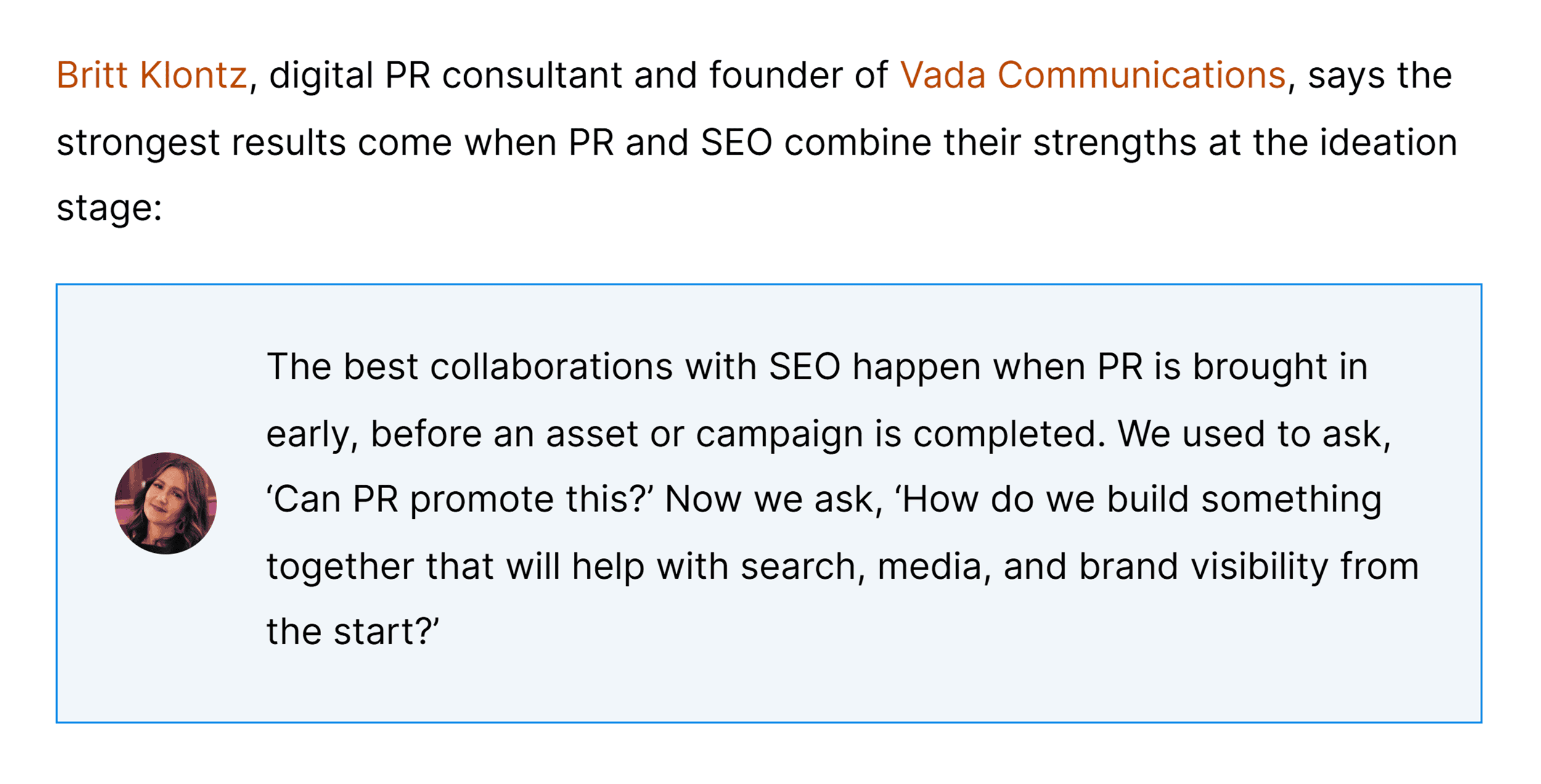
Content featuring insights from recognized industry authorities consistently outperforms generic copy in generative search. Data indicates that pages incorporating expert commentary achieve significantly higher AI citation averages than those lacking third-party perspectives. By curating expert roundups, publishing detailed case studies, or compiling industry influencer lists, brands generate valuable trust signals. Furthermore, featured experts frequently amplify this content across their own professional networks, generating vital social proof and compounding offsite brand mentions.
Thought Leadership and Cross-Platform Distribution
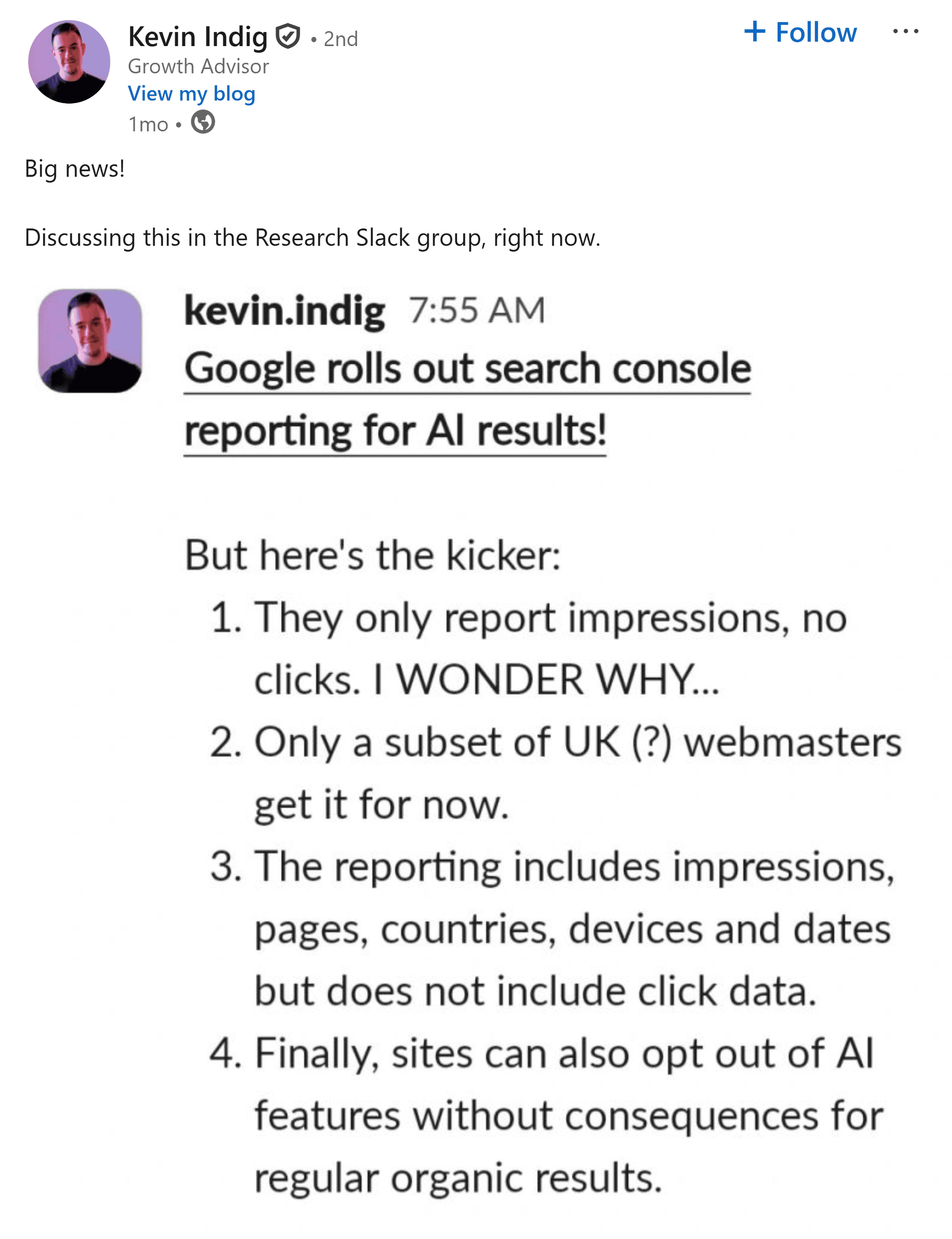
Establishing a recognizable brand voice requires distributing thought-provoking ideas across platforms that AI systems actively monitor. Semrush visibility studies reveal that professional networking platforms like LinkedIn, Q&A repositories like Reddit, and publishing networks like Medium rank among the most frequently cited domains in LLM responses. Implementing a multi-channel distribution framework—such as repurposing proprietary blog insights into high-authority guest posts and podcast appearances—signals to algorithms that a brand is universally recognized as an originating industry authority.
Community Building and Neutral Validation Platforms
Perhaps the most disruptive finding in modern GEO research is that LLMs frequently place greater trust in neutral user-generated content than in corporate self-reporting. Studies analyzing hundreds of thousands of AI responses demonstrate that active review profiles on platforms like Trustpilot, G2, and community discussions on Reddit dramatically elevate a brand’s citation rate. AI systems tasked with recommending products or services weigh the collective sentiment of hundreds of independent reviewers far more heavily than branded marketing materials. Consequently, cultivating positive customer review profiles and participating authentically in niche online communities is no longer optional for brand reputation management.
Implications and Future Outlook
The transition toward AI-driven search represents a permanent evolution in digital discovery. As algorithms become more sophisticated, the brands that succeed will be those that abandon insular marketing tactics in favor of holistic, ecosystem-wide PR strategies. By focusing on earned media, robust third-party validation, data transparency, and active community engagement, organizations can future-proof their digital footprint and secure dominant positioning within the next generation of search technology.