In 2014, the analytics firm Mixpanel presented a Series B pitch deck that served as a blueprint for rapid, aggressive scaling. Bolstered by a $65 million investment, the company’s internal projections were ambitious: they began the year with five sales representatives and set a target of 33 by year-end, with a long-term goal of employing 100 sales staff by 2016. However, the harsh reality of the mid-2010s software market diverged sharply from these forecasts. Instead of reaching its headcount goals, Mixpanel announced a staff reduction of 18 people in early 2016, a move that signaled a broader cooling period for high-growth software-as-a-service (SaaS) companies.
This pivot was not an isolated incident. Shortly after Mixpanel’s restructuring, Optimizely, another prominent player in the optimization and experimentation space, also initiated layoffs. These events underscored a significant shift in the SaaS sector, moving away from the "growth-at-all-costs" model that had defined the previous decade. As capital became more disciplined and the market reached a state of hyper-competition, the traditional playbook—characterized by heavy venture capital reliance, massive sales force expansion, and aggressive customer acquisition—began to falter.
The Breakdown of a Conventional Growth Model
For years, many SaaS firms followed a predictable three-step growth trajectory: secure substantial venture capital, reinvest that capital heavily into sales and marketing to capture market share, and prioritize recurring revenue growth above all else. This formula was championed by industry leaders like HubSpot and New Relic, which successfully scaled their operations during the early-to-mid 2010s.
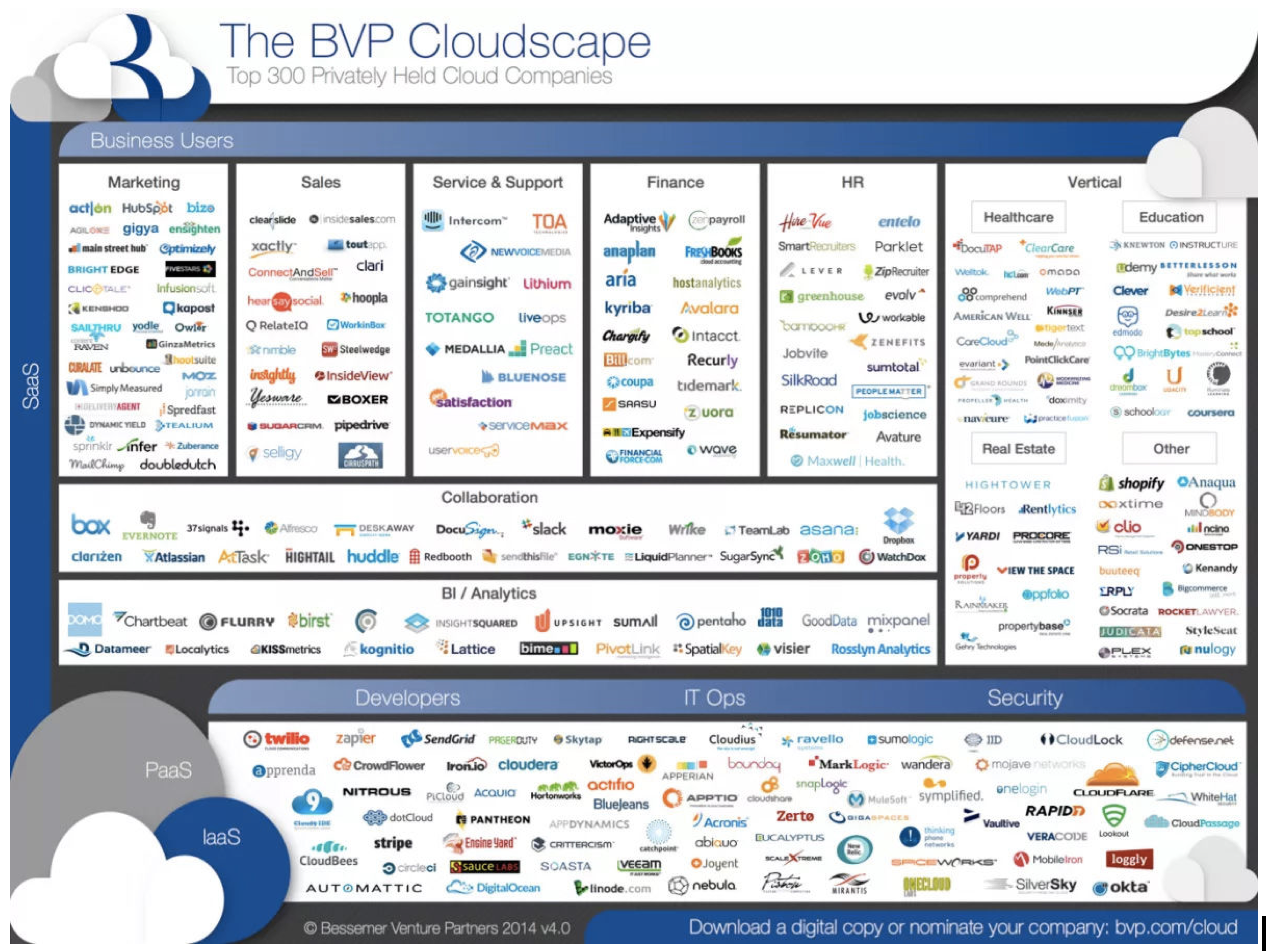
However, the efficacy of this model began to wane as the market reached a point of saturation. By 2016, global investment in SaaS had surged to $7 billion, up from just $1.5 billion in 2010. This influx of capital lowered the barrier to entry, as infrastructure providers like Amazon Web Services (AWS) allowed startups to deploy software at a fraction of the historical cost. While these technological advancements democratized the creation of software, they also contributed to a fragmented market where customer attention became a finite and highly contested resource.
A Period of Strategic Retrenchment
The decision by companies like Optimizely to pivot toward profitability was a direct response to these market pressures. In a candid public statement, Optimizely CEO Dan Siroker explained that the company’s transition, initiated in August 2015, was designed to move the firm toward a path of sustained growth that did not rely on additional venture capital injections. By March 2016, it became clear that parts of the organization were over-invested, leading to a 10% reduction in staff.
This trend of "right-sizing" reflected a sobering realization across the industry: the market had become too efficient to support unsustainable spending. Investors began prioritizing unit economics, such as Customer Acquisition Cost (CAC) and Lifetime Value (LTV), over raw headcount growth. The message to the SaaS ecosystem was clear: the era of easy, venture-funded growth was drawing to a close, and a new, more disciplined era of operational efficiency was emerging.
The Rise of Market Commoditization
Some industry observers argue that the current state of SaaS represents the beginning of a long-term commoditization process. As software tools become more ubiquitous and standardized, the bar for achieving product-market fit has risen significantly. When a prospect is inundated with dozens of competing solutions, a product must be exceptionally polished, highly intuitive, and demonstrably valuable just to earn a trial—let alone a long-term contract.

This hyper-competitive landscape has changed the metrics for success. In the past, a strong sales team could often compensate for a mediocre product. Today, the product must act as its own primary driver of distribution. Features that were once considered premium are now baseline expectations, forcing firms to differentiate themselves through superior user experience (UX) and specialized utility rather than just brute-force marketing spend.
The Second Wave: New Strategies for SaaS Survival
As the industry matures, successful companies are adopting new strategies to survive and thrive. One prominent approach is to avoid the "SaaS-for-SaaS" trap. Early in the industry’s development, many startups focused on selling tools to other software companies. However, this vertical became densely crowded. Modern, successful entrants are now turning their attention to non-tech industries that have historically lacked robust software infrastructure.
A notable example is the physical therapy provider ATI. While ATI operates hundreds of clinics across the United States, it functions essentially as a technology company. By integrating software into the core of its operations—allowing patients to book appointments online, verify insurance, and track treatment progress—ATI has captured a niche that remains underserved by traditional tech-focused SaaS platforms. By solving complex, real-world problems for small business owners, these companies build defensible moats that are harder for generic competitors to penetrate.
Product-Led Growth and the "Sideways" Entry
Another strategy gaining traction is the "sideways" entry into markets dominated by large incumbents. Instead of attempting to outspend established players on marketing, startups are increasingly using free, high-value tools to drive product adoption. Clearbit, which provides data enrichment via APIs, is a prime example of this methodology. By offering free tools that solve specific, immediate problems for developers and marketers, the company generates significant brand awareness and creates a "product-qualified lead" pipeline. These users have already validated their need for the data by using the free tool, making them significantly more likely to convert to the paid enterprise offering.

This approach acknowledges that in a saturated market, the best marketing is a tool that provides immediate, tangible value. By baking distribution into the product experience, firms can bypass the high costs of traditional lead generation and instead rely on the utility of their software to spread through professional networks.
The Future of the Business Model
Perhaps the most radical shift in the industry is the departure from the standard 30-day trial-to-subscription model. Critics argue that forcing a customer to pay for software before they have realized its full value is becoming an obsolete practice. Instead, a new generation of companies is innovating on the business model itself.
Dotloop, a platform for the real estate industry, demonstrates this evolution. By creating a collaborative network where agents, brokers, and clients interact, Dotloop has moved toward a transaction-based model. Because the platform facilitates the actual work—signing documents and organizing tasks—it becomes a necessity rather than a supplementary tool. By allowing free users access to the same core functionality as premium subscribers, Dotloop creates a network effect that increases the value of the platform as more people use it. This structure positions the company to potentially monetize based on transaction volume or network services, mirroring the economic models of major consumer platforms like Facebook or Instagram.
Implications for the Next Decade
The challenges facing SaaS companies in the wake of 2016 do not signal the death of the sector, but rather its inevitable maturation. The industry is moving away from a period of "low-hanging fruit" and into a phase of deep, technical, and operational specialization.

To survive in this new environment, companies must excel in multiple domains simultaneously. They must possess the agility to innovate on business models, the technical expertise to build products that serve niche markets, and the marketing discipline to leverage product-led growth strategies. The companies that define the next decade of SaaS will likely look very different from the titans of the previous one. They may not even define themselves as "SaaS" in the traditional sense, as the lines between software, service, and network become increasingly blurred.
Ultimately, the inflection point reached in 2016 was a necessary correction. It pushed the industry toward a more sustainable, value-driven future where the winners are determined not by the size of their war chests, but by the tangible, measurable impact they deliver to their customers. As the market continues to evolve, the most successful firms will be those that prioritize long-term brand equity and customer utility over short-term growth metrics, ensuring their relevance in an increasingly sophisticated digital economy.