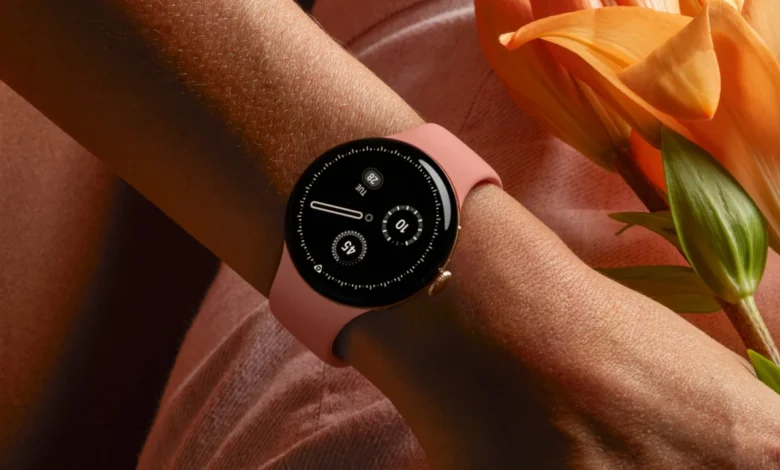
Google’s ongoing push to modernize its health and fitness ecosystem has reached a significant milestone with the roll-out of the November Pixel Drop. As wearable technology continues to shift from passive step counters to active, intelligent health assistants, Google is integrating deeper software capabilities into its hardware lineup. Centered around the Pixel Watch series, this latest software update introduces step-by-step workout guidance, bridging the gap between custom routine creation and real-time execution. By marrying natural language processing with physical tracking, Google aims to eliminate the friction points traditionally associated with tracking complex strength training and multi-step exercise routines.

The Evolution of Google’s Fitness Ecosystem
Over the past few years, Google has methodically restructured its health initiatives, largely driven by the acquisition of Fitbit and the subsequent integration of advanced artificial intelligence. The introduction of the Gemini-powered Google Health Coach represented a foundational shift in how users interact with their biometric data. Rather than merely presenting raw metrics such as heart rate, active zone minutes, and sleep scores, the AI-driven coach translates this data into personalized, actionable workout plans tailored to daily recovery states and long-term fitness goals.
Prior to the November update, users could utilize natural language prompts within Google Health to formulate custom workout routines. While innovative, executing these routines presented a logistical challenge. Exercisers often found themselves breaking their focus to unlock their smartphones, scroll through notes, or manually input weights and repetitions between sets. This friction discouraged consistent logging, particularly during fast-paced strength-training sessions where maintaining momentum is critical.

The November Pixel Drop directly addresses this operational bottleneck by shifting routine execution from the handheld smartphone directly to the wrist-worn interface of the Pixel Watch.
Step-by-Step Guidance on the Wrist
At the core of the new update is the step-by-step workout guidance feature. Designed specifically to streamline exercise routines, the feature displays real-time instructions, target metrics, and progression milestones directly on the smartwatch screen.

When engaging in a strength-training routine, for instance, the Pixel Watch acts as an interactive digital trainer. Users can view their assigned exercises, track prescribed sets, and log specific metrics such as repetitions and weights dynamically as they progress. This eliminates the need to constantly check a smartphone or memorize complex multi-exercise circuits. Furthermore, the system syncs seamlessly in the background, ensuring that live workout metrics are mirrored and accessible on the paired smartphone for post-workout analysis.
According to Google’s rollout specifications, this feature is initially targeted at the Pixel Watch 3 and newer hardware iterations. The reliance on newer models suggests that the processing requirements for real-time routine parsing and dynamic metric logging demand the upgraded chipsets found in recent iterations. However, Google has yet to explicitly clarify whether full access to step-by-step workout guidance will remain universally free or if it will eventually be gated behind a Google Health Premium subscription tier.

Expanding the Feature Set: Gemini Call Screen and AI Summaries
Beyond fitness tracking, the November Pixel Drop introduces several complementary upgrades aimed at enhancing the overall utility of the Pixel Watch ecosystem. Among the most notable additions is the integration of Gemini Call Screen for the Pixel Watch 5.
Call screening, a popular feature on Pixel smartphones, is now migrating to the wrist. The functionality allows users to screen incoming calls on demand directly from their smartwatch. The Gemini-powered assistant evaluates the incoming call and provides contextual details regarding who is calling and the apparent purpose of the communication, empowering users to decide whether to answer or dismiss the call without ever reaching for their phone. Google has stated that this feature will debut as a United States-exclusive release before seeing a broader international rollout.

Additionally, Google announced two upcoming features scheduled for subsequent deployment: AI-powered Notification Summaries and Phone to Watch Unlock.
Notification Summaries, which will require Wear OS 7.1 paired with a compatible Pixel smartphone, utilize on-device machine learning to condense lengthy incoming messages and chat threads into digestible, concise summaries on the watch face. Meanwhile, Phone to Watch Unlock addresses authentication fatigue by allowing users to securely unlock their smartwatch using a nearby, trusted, paired smartphone via Ultra-Wideband (UWB) technology, bypassing the traditional requirement of entering a PIN or pattern on a diminutive watch screen. Google noted that the Phone to Watch Unlock feature will be strictly limited to geographic regions where UWB usage is legally permitted.

Industry Implications and the Future of Smartwatches
The introduction of step-by-step workout guidance and on-wrist AI integration underscores a broader industry trend: the transformation of smartwatches from notification mirrors into autonomous productivity and wellness hubs.
For years, Apple’s watchOS and specialized fitness ecosystems from brands like Garmin have dominated the structured workout space, offering granular pacing alerts, interval training configurations, and dedicated training load metrics. By introducing conversational AI routines paired with granular on-watch execution, Google is positioning its Pixel Watch lineup as a formidable competitor in the fitness tech sector.

The strategic convergence of Gemini AI, health tracking, and contextual utility points toward a future where wearables require minimal manual input. By automating routine logging, streamlining communication screening, and simplifying device security, Google is attempting to lower the cognitive load of technology usage.
As the wearable market approaches the holiday shopping season—a critical period for consumer electronics sales—these software enhancements serve to bolster the value proposition of Google’s hardware ecosystem. Whether these features will successfully sway fitness enthusiasts away from established athletic brands remains to be seen, but the technical trajectory signals a clear commitment to making wrist-based computing more intuitive, context-aware, and seamlessly integrated into daily life.
Related posts: