Unveiling the 2021 SaaS Survey Part 2: Comprehensive Insights into Software-as-a-Service Trends, Metrics, and Market Dynamics


The release of the second installment of the 2021 SaaS Survey marks another critical milestone in understanding the trajectory of the Software-as-a-Service industry. Conducted in a strategic partnership between prominent entrepreneurial resource platforms and KBCM, this extensive annual research initiative serves as a primary compass for tech founders, venture capitalists, and industry executives navigating the complexities of the modern digital economy. Building upon the foundational data established in the first segment of the report, Part 2 dives deeper into the nuanced operational metrics, financial benchmarks, and strategic shifts defining high-growth software companies in a post-pandemic landscape.
For industry stakeholders seeking a complete, granular view of the market, the full 2021 KBCM SaaS Survey is publicly accessible for PDF download, offering hundreds of data points detailing valuation multiples, sales efficiency, customer acquisition costs, and churn rates. As the tech sector absorbs the rapid digitalization forced by global shifts in work and commerce, this year’s survey captures a pivotal moment of transformation, scaling, and market maturation.
Background Context and the Evolution of SaaS Benchmarking
The Software-as-a-Service business model has evolved from an experimental distribution method into the dominant architecture for enterprise software delivery worldwide. Over the past decade and a half, annual benchmarks like the KBCM SaaS Survey have transitioned from niche reports into essential operational bibles for startup founders. These surveys provide critical empirical data that allows leadership teams to compare their internal performance against industry standards, reassuring investors and guiding strategic resource allocation.
The 2021 survey carries heightened significance. Set against the backdrop of massive economic recalibration following the onset of the global health crisis, SaaS companies found themselves facing
unprecedented demand paired with acute macroeconomic uncertainty. Organizations had to rapidly pivot their go-to-market strategies, adapt to remote workforce paradigms, and recalibrate customer success models to prevent churn. Consequently, the metrics captured in the 2021 report reflect not just steady-state business operations, but a period of hyper-adaptation and resilience.
Chronology and Structure of the 2021 Survey Release
The dissemination of the 2021 SaaS Survey data followed a structured, multi-phase rollout designed to digest and present massive amounts of qualitative and quantitative information without overwhelming readers.

The initiative officially commenced with the rollout of Part 1, which laid the groundwork by examining fundamental growth metrics, annual recurring revenue (ARR) milestones, capital-raising environments, and initial customer acquisition trends. Readers looking to re-examine those foundational metrics can reference the first installment via the designated archival links provided in the research series.
Following the initial high-level overview, the release of Part 2—highlighted extensively through the presentation of slides 40 through 71—delves into the granular mechanics of business execution. This second phase addresses advanced operational pillars, including specialized sales and marketing efficiencies, research and development expenditures, gross margin distributions, and executive compensation packages. By sequencing the release this way, the researchers ensured that stakeholders could first understand where the market stands in terms of raw growth before analyzing the internal engine room required to sustain that growth.
Core Data and Financial Metrics: Key Insights from the Slides
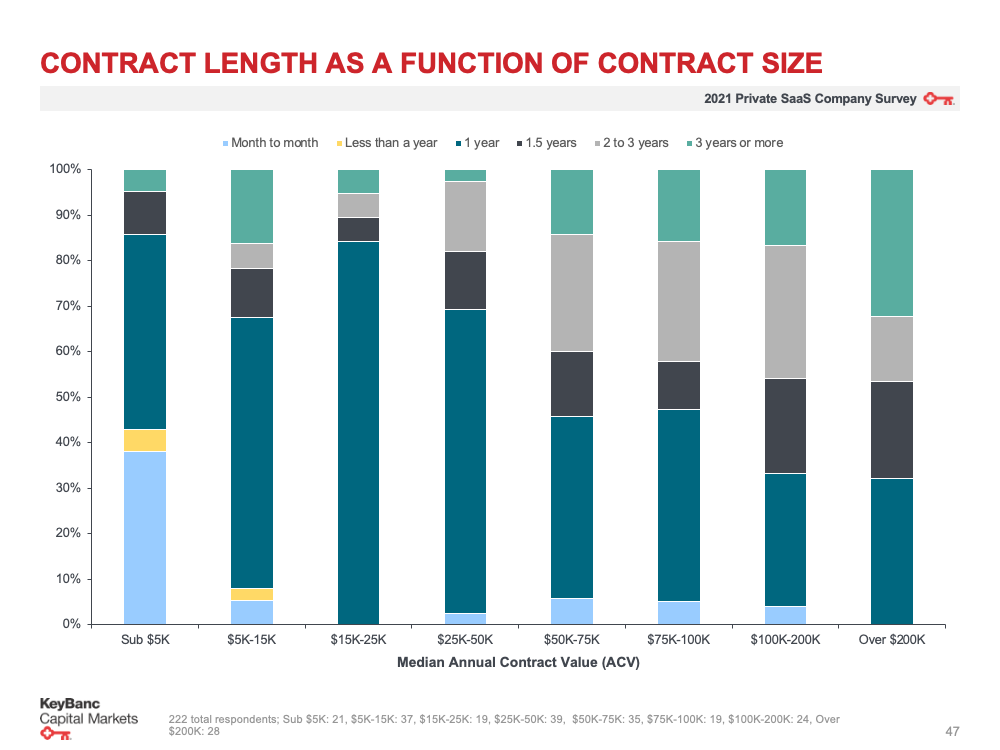
The visual data provided in the core slides of Part 2 (spanning from Slide 40 to Slide 71) illustrates the intricate balance between growth velocity and capital efficiency that defines successful SaaS enterprises. While top-line revenue expansion remains the primary metric celebrated by venture capitalists, the 2021 data underscores a growing emphasis on sustainable unit economics.
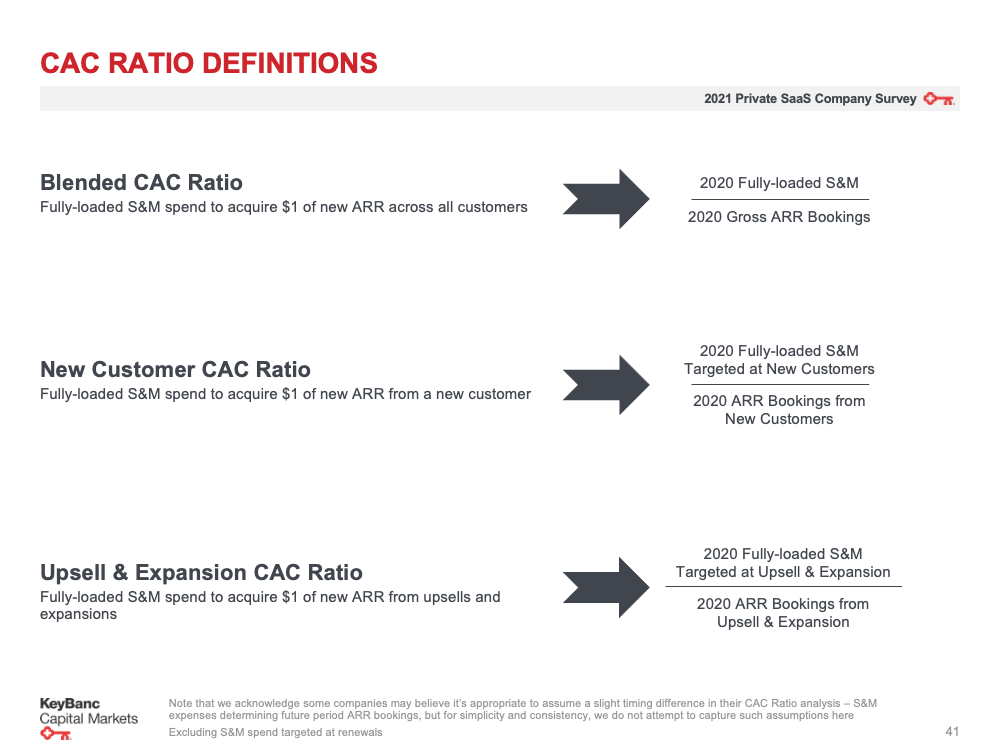
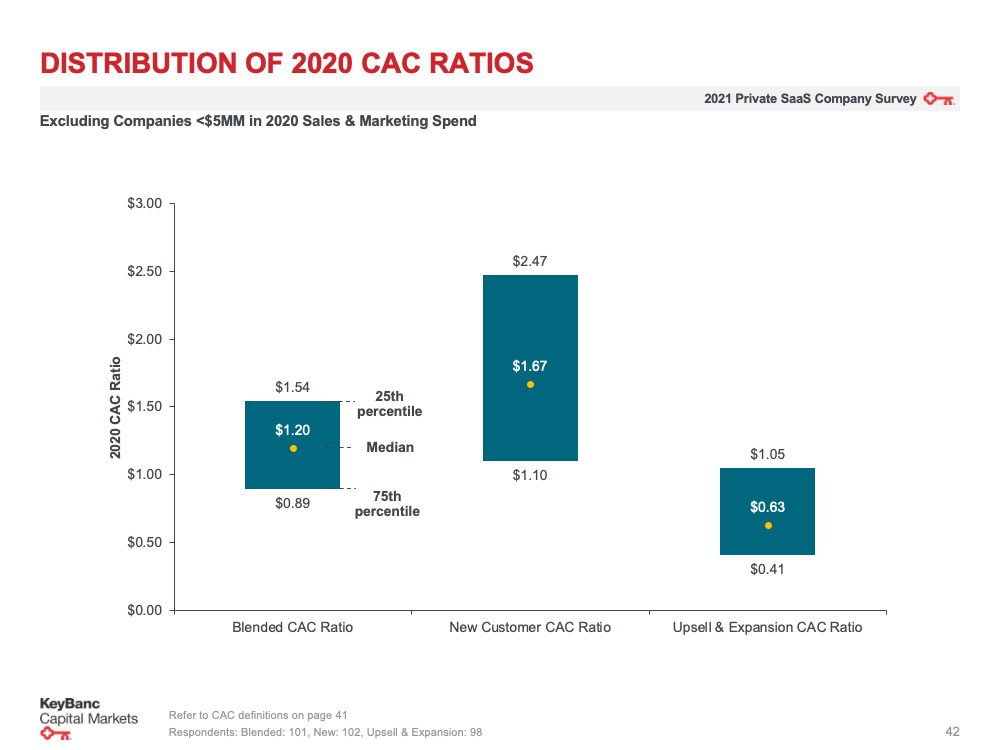
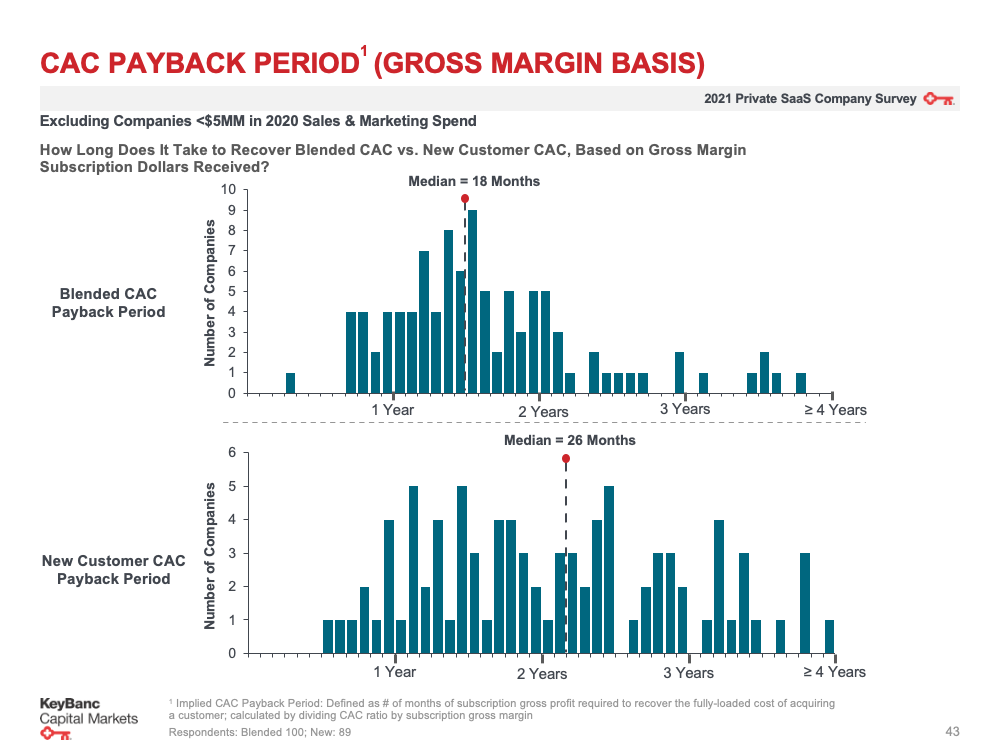
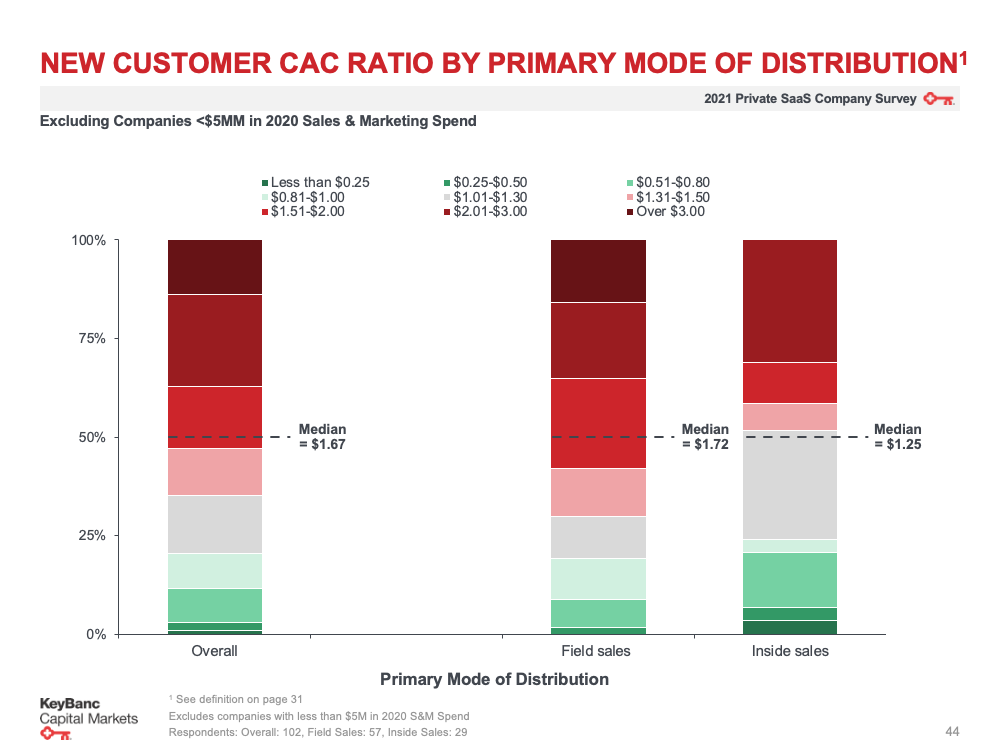
One of the prominent themes emerging from the data is the stabilization of Customer Acquisition Costs (CAC) relative to Customer Lifetime Value (LTV). As digital advertising channels matured and competition within vertical SaaS intensified, many companies experienced upward pressure on acquisition spending. However, top-quartile performers demonstrated an ability to optimize their sales funnels through product-led growth (PLG) strategies, reducing reliance on expensive, enterprise-level direct sales forces.
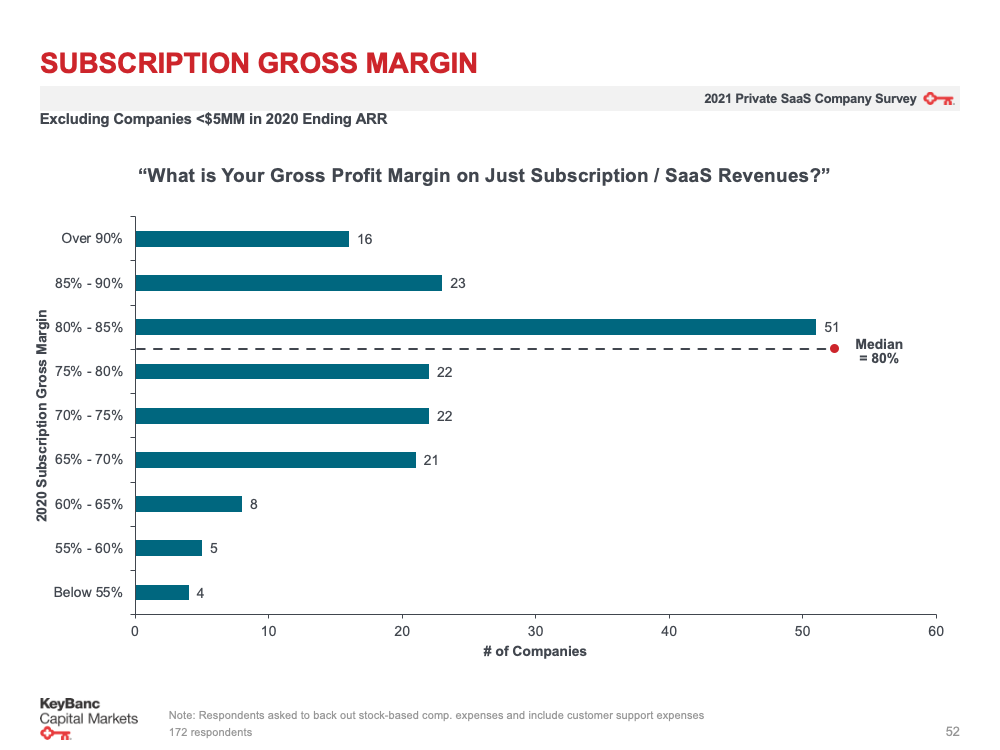
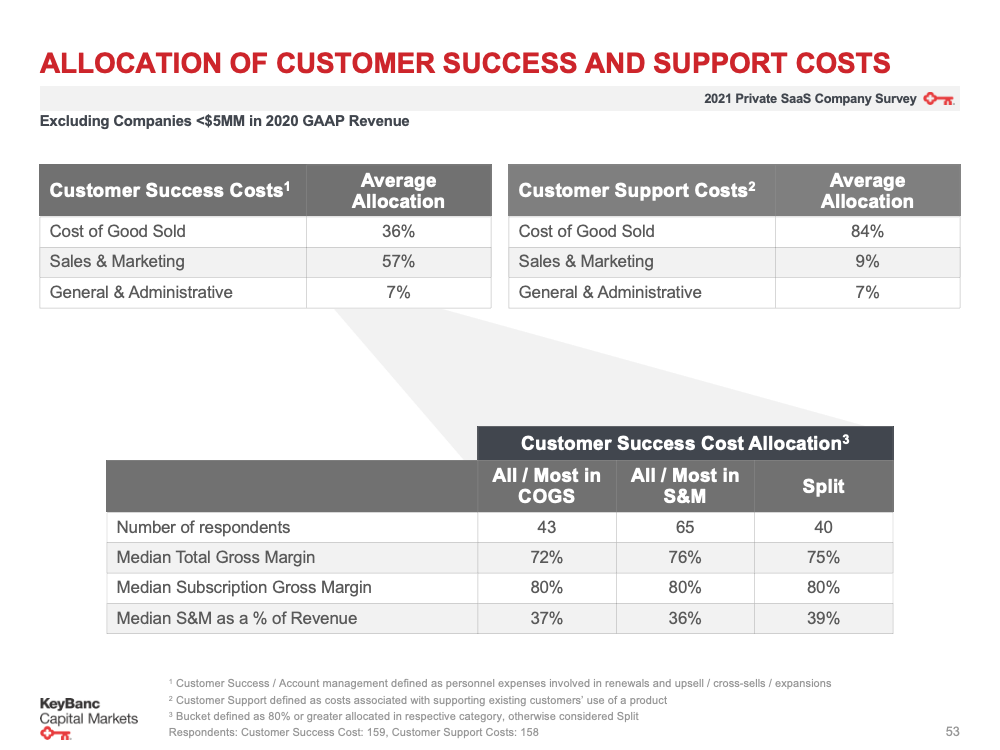
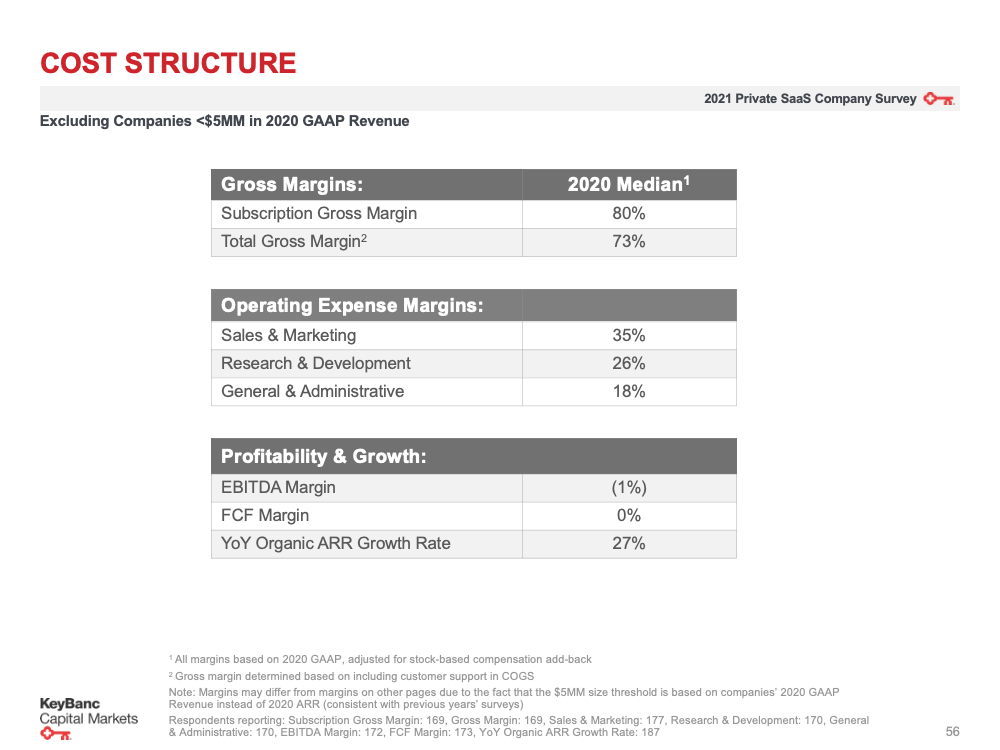
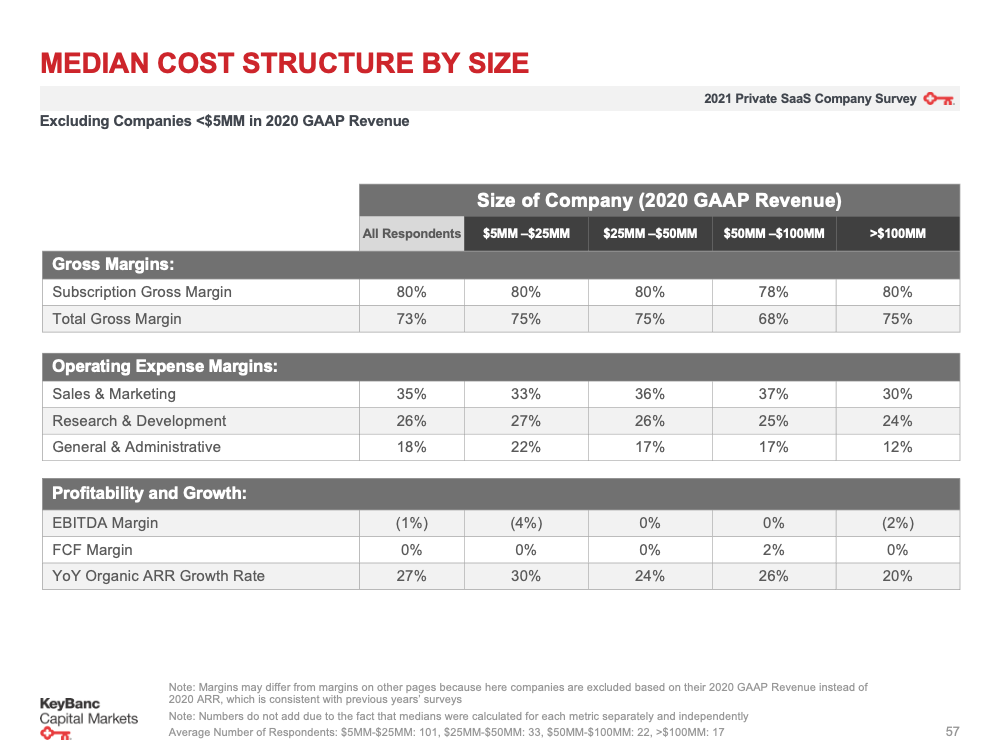
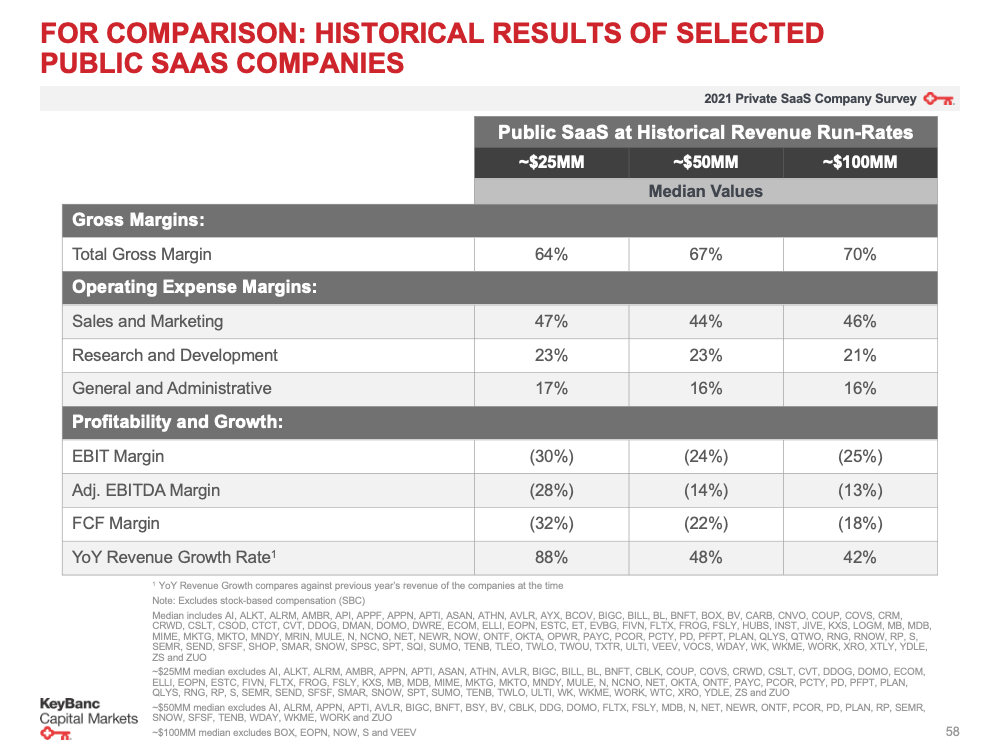
Furthermore, the survey data sheds light on gross margin trends. Across the surveyed cohort, median gross margins for cloud-hosted software companies remained robust, typically hovering between 70% and 80%. This high margin profile continues to be the primary economic engine attracting institutional capital, enabling firms to reinvest substantial percentages of their revenue back into product innovation and international expansion.

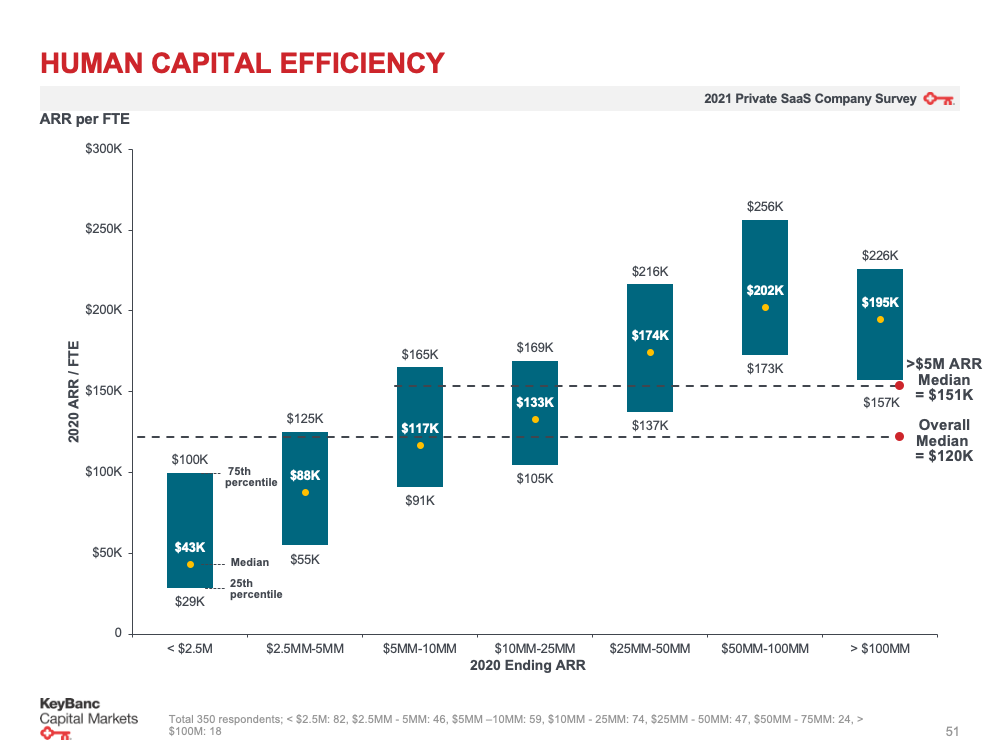
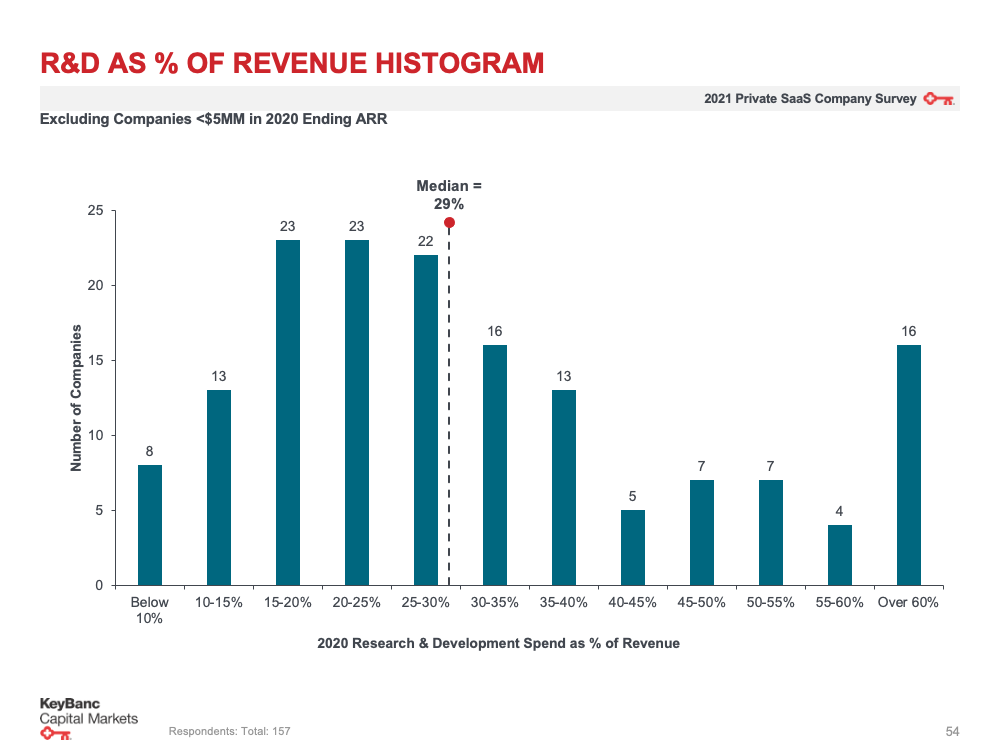
Research and Development (R&D) expenditures also take center stage in the Part 2 metrics. As software buyers demand increasingly sophisticated capabilities—such as embedded artificial intelligence, robust cybersecurity frameworks, and seamless API integrations—SaaS providers reported dedicating significant capital to engineering talent and infrastructure scaling. The survey maps these R&D investments against company size and ARR tiers, providing a clear roadmap for founders deciding when to expand their engineering teams.
Industry Implications and Expert Analysis
The release of the 2021 SaaS Survey arrives at a critical juncture for tech sector economics. Financial analysts reviewing the data point to several long-term implications for founders, operators, and investors.
First, the bifurcation between high-growth, cash-efficient businesses and sluggish, high-burn operations has never been sharper. In an investment climate where capital is no longer practically free, the market has recalibrated its valuation metrics. Investors are increasingly prioritizing the "Rule of 40"—a principle stating that a SaaS company’s growth rate and profit margin should sum to at least 40%. The survey data indicates that companies successfully achieving or exceeding this threshold command significantly higher valuation multiples and face fewer hurdles in subsequent fundraising rounds.
Second, talent retention and compensation structures have emerged as central discussion points. With remote work breaking down traditional geographic hiring barriers, software companies are competing on a global stage for top-tier engineering, product, and sales leadership. The survey’s breakdown of executive compensation and employee stock option pools offers vital benchmarks for human resources departments striving to remain competitive without destabilizing their financial models.
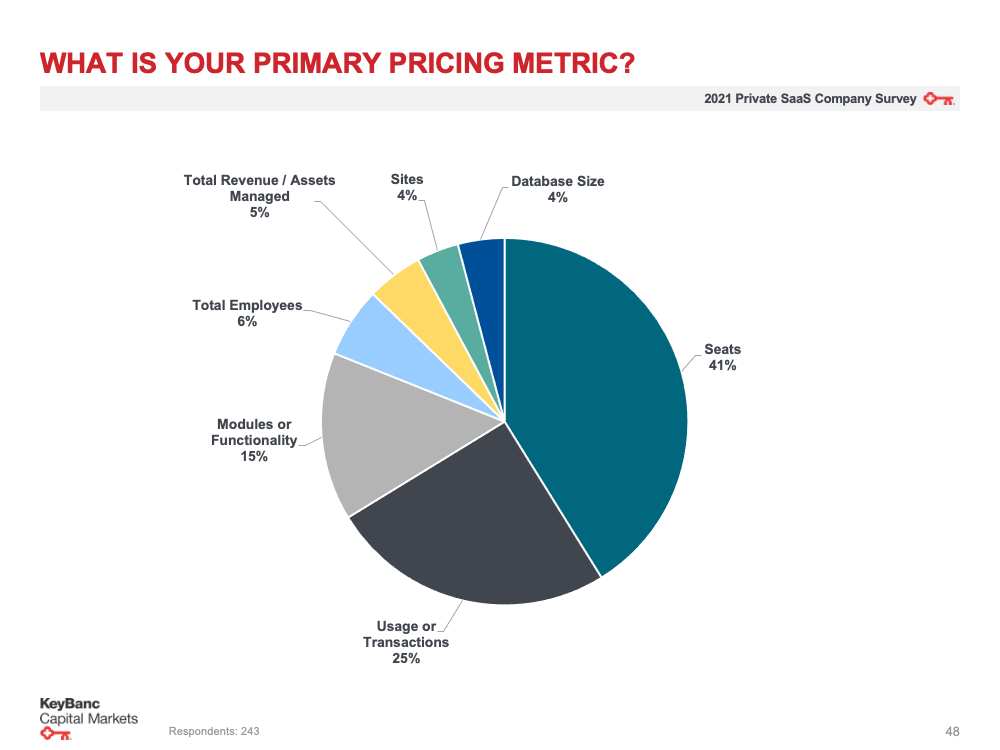
Finally, the shift toward usage-based pricing models, as highlighted in various segments of the survey, suggests a fundamental evolution in how software value is monetized. Traditional per-seat subscription models are increasingly being complemented or replaced by consumption metrics that align customer costs directly with the value derived from the software. This trend reduces friction in initial enterprise sales and drives net revenue retention (NRR)—a metric that top-performing SaaS firms watch closer than almost any other.

Broader Economic Impact and Future Outlook
Beyond immediate corporate planning, the findings of the 2021 SaaS Survey reverberate across the broader venture capital and macroeconomic ecosystem. As software continues to eat the world, the health of the SaaS sector serves as a reliable proxy for enterprise technology spending intentions globally.
The data confirms that despite macroeconomic headwinds and market corrections, digital transformation remains a non-negotiable priority for businesses across all verticals—from healthcare and finance to manufacturing and retail. Enterprises are not scaling back their software budgets; rather, they are becoming more selective, consolidating their vendor stacks, and demanding higher demonstrable return on investment from their SaaS providers.
For entrepreneurs and executives absorbing these insights, the message is clear: operational rigor, transparent unit economics, and customer-centric product development are the non-negotiable prerequisites for enduring success. By leveraging the comprehensive benchmarks provided in both parts of the 2021 SaaS Survey, leadership teams are better equipped to steer their organizations through market volatility and position themselves for sustainable, long-term expansion.
Readers are encouraged to review the complete survey materials, including all foundational charts, supplementary commentary, and detailed metric breakdowns, by accessing the downloadable PDF resources and revisiting the first installment of the research series.