How B2B Tech Brands Are Rethinking 2027 Event Budgets and Chasing High-ROI AI Audiences

As B2B software and artificial intelligence companies finalize their corporate event expenditures for the upcoming year, decision-makers are increasingly scrutinizing traditional marketing playbooks. Historically, annual conference strategies have relied heavily on promotional press releases and generalized industry lists, often resulting in fragmented budgets scattered across low-converting gatherings. However, a significant shift is underway in how technology firms allocate capital, driven by the demand for measurable pipeline generation, immediate on-site deal closures, and direct access to senior-level enterprise buyers.
This strategic recalibration comes into sharp focus as major industry organizers release performance metrics well ahead of the traditional budgeting cycle. Exhibitor data from major technology symposiums indicates that modern B2B sponsors expect absolute transparency regarding lead volume, deal velocity, and audience seniority before committing to multi-tier sponsorships.
The Evolution of B2B Event ROI and the Push for Transparency
In the past, technology conference sponsorships were often evaluated on top-of-funnel visibility and brand awareness metrics that proved difficult to tie directly to closed revenue. Today’s economic climate demands rigorous accountability. Event organizers are facing mounting pressure to substantiate their attendance figures with verifiable data from previous cohorts.
Industry analysts note that conferences focusing strictly on niche sectors—such as the intersection of artificial intelligence and enterprise software—tend to outperform generalized tech expos. Because corporate budgets are increasingly weighted toward specialized AI integration, exhibitions that concentrate entirely on this vertical naturally attract buyers with active purchasing authority. Consequently, forward-thinking event organizers are beginning to publish explicit leaderboard statistics, detailing precisely how many leads top-tier exhibitors secure, which categories generate the highest conversion rates, and how rapidly initial booth interactions transition into signed contracts.
Analyzing the 2026 Performance Metrics: Leads, Tiers, and Competitiveness
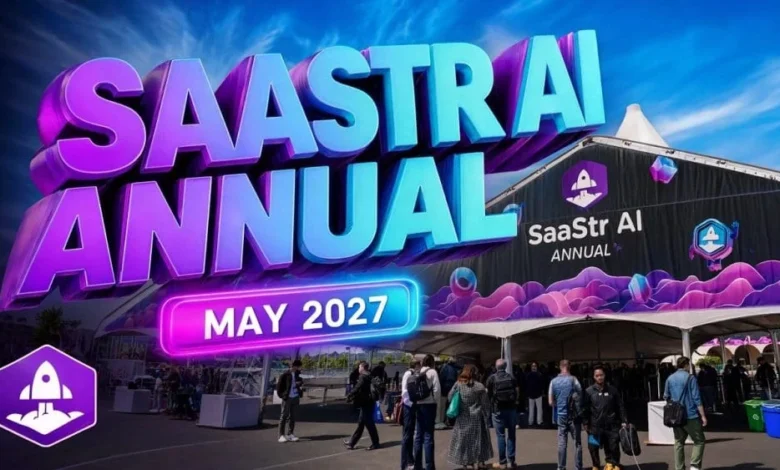
A close examination of past performance data from specialized AI summits reveals telling patterns regarding floor traffic and lead generation. At major regional gatherings, such as the SaaStr AI Annual held at the San Mateo County Event Center, top-tier exhibitors routinely capture substantial pools of qualified prospects.
Records from the 2026 event demonstrate that the highest-performing sponsors consistently cleared hundreds of verified leads. For instance, top participants—including developer platforms, CRM innovators, and automation infrastructure providers—frequently surpassed the 900-lead threshold, with individual category leaders reaching upwards of 1,400 captured contacts. Even lower-tier sponsors within the upper deciles regularly recorded robust numbers, proving that the gap in performance often hinges on booth engagement strategies, live technical demonstrations, and the proactive execution of the team working the floor.
Interestingly, emerging AI-native startups frequently rival or surpass legacy enterprise software giants in raw lead acquisition. This dynamic underscores a fundamental shift in buyer curiosity: attendees at modern technology summits actively seek out agile, specialized solutions rather than defaulting exclusively to entrenched market incumbents. Category leadership in domains such as vibe coding, specialized AI infrastructure, automated payroll, and next-generation sales agents has become a coveted badge of honor, frequently integrated into corporate sales decks, recruitment materials, and venture capital reporting.
Deal Velocity and Conversion Timelines on the Exhibition Floor
Perhaps the most critical evolution in modern event sponsorship is the compression of the sales cycle. Traditionally, exhibitions served merely to collect business cards for long-term nurturing campaigns. However, contemporary data indicates that high-intent enterprise buyers attend these conferences with active projects and immediate budgetary allocation.
Exhibitor feedback from recent AI-focused showcases highlights instances where companies closed substantial annual recurring revenue (ARR) directly on the exhibition floor. In several documented cases, emerging workflow automation platforms generated hundreds of qualified leads, secured six-figure ARR contracts on-site, and built multi-million-dollar pipelines that converted within subsequent weeks.
Furthermore, sales executives representing diverse technology sectors—ranging from corporate banking and travel management to infrastructure and security—report that deals initiated at these summits frequently progress from initial booth introduction to signed contracts in a matter of days or weeks. This accelerated timeline is largely attributed to the high concentration of decision-makers present, minimizing the bureaucratic friction often associated with protracted outbound sales sequences.
Audience Demographics and the Concentration of Enterprise Budget
The primary driver behind high conversion rates is the seniority of the attendees. Unlike general consumer tech conventions or developer-only hackathons, specialized B2B AI summits draw an audience heavily weighted toward founders, chief executive officers, chief revenue officers, chief marketing officers, and chief customer officers.
Executives operating at this organizational level—typically managing companies ranging from early-stage growth to established enterprises with hundreds of millions in annual recurring revenue—wield direct control over substantial software budgets. A single conversation with a senior revenue leader who manages a seven-figure tool budget can yield a higher return on investment than thousands of passive digital ad impressions or webinar registrations.
Organized matchmaking initiatives further enhance this dynamic. Dedicated networking apps and pre-event target account mapping allow sponsors to schedule targeted one-on-one meetings before the doors officially open, ensuring that calendars are fully booked from the inaugural hour of the event. Specialized summits focusing on distinct executive functions—such as dedicated tracks for revenue, marketing, and customer success leaders—allow vendors to place their solutions directly in front of their ideal buyer personas.
Chronology of the 2027 Planning Cycle and Forward Projections
As organizations finalize their strategic calendars for the upcoming operating year, the timeline for locking in premium event spaces has accelerated significantly. Industry benchmarks indicate that sponsorship acquisition for flagship 2027 events is pacing roughly twice as fast as previous years, driven by heightened competition for optimal floor locations, Diamond-tier sponsorships, and primary speaking slots.
The strategic placement of spring technology conferences—such as those scheduled for mid-Q2 at major
Silicon Valley venues—creates a favorable timeline for pipeline development. Leads captured during spring exhibitions have ample opportunity to navigate proof-of-concept phases, security reviews, and procurement protocols before corporations initiate their mid-year and second-half budget finalizations.
Broader Industry Implications and Strategic Recommendations
The transparent sharing of performance data by event organizers marks a maturing trend within the B2B marketing ecosystem. As corporate budgets face heightened scrutiny from Chief Financial Officers, marketing leaders are expected to justify every dollar spent on experiential marketing with concrete attribution models.
Experts advise marketing executives to conduct rigorous due diligence when constructing annual event strategies. Rather than relying on generalized promotional material, brands are encouraged to request historical performance leaderboards, examine verifiable case studies, and reach out directly to past sponsors to evaluate closed-loop revenue figures. By treating event sponsorship with the same analytical rigor applied to digital acquisition channels, technology firms can optimize their capital deployment, secure vital market positioning, and drive measurable enterprise growth.