The Evolution of Property Management: Balancing Passive Income and Operational Efficiency for Modern Landlords

The real estate market has long been viewed as a cornerstone of wealth creation, offering a path to financial independence for millions of individual investors. However, the operational reality of managing rental properties often diverges significantly from the idealized vision of "mailbox money." As the demographic of independent landlords shifts—with many now juggling professional careers and family responsibilities—the administrative burden of property ownership has become a primary driver for portfolio divestment. Recent industry trends indicate that the friction associated with tenant management, maintenance coordination, and financial bookkeeping is leading many seasoned investors to reconsider their holdings, often at a significant long-term financial cost.

The Chronology of a Landlord’s Burden
The journey of an individual investor typically follows a predictable trajectory. It often begins with the acquisition of a primary residence or a single investment property, managed manually through basic spreadsheets and informal communication channels. By the time an investor reaches the three-to-five-property threshold, the complexity of managing multiple leases, security deposits, and maintenance schedules begins to overwhelm manual systems.
Historically, this transition point forces a binary choice: hire a professional property manager, typically costing between 8% and 12% of gross monthly rent, or continue self-managing at the risk of operational burnout. For those who choose to continue self-managing, the year 2025 has served as a stress test for many portfolios. Increased tenant turnover, inflationary pressure on maintenance costs, and the administrative exhaustion of tracking deductible expenses have prompted a wave of property sales. Data from various real estate analytics firms suggests that a significant percentage of "motivated sellers" in the current market are not exiting due to poor property performance, but rather due to "management fatigue."
The Economic Implications of Premature Divestment
Selling a rental property is rarely a tax-neutral event. Investors must contend with federal and state capital gains taxes, depreciation recapture—which can tax previously deducted depreciation at up to 25%—and transaction costs such as broker commissions and transfer taxes. Beyond these immediate outflows, there is the long-term opportunity cost of forfeited future appreciation.
When an investor sells a property in a high-demand market, they are often unable to re-enter at a similar price point. Furthermore, holding properties for the duration of one’s life allows for a "step-up in basis," a tax provision that resets the cost basis of the property to its fair market value upon the owner’s death, potentially eliminating capital gains tax liabilities for heirs. Therefore, the decision to sell based on administrative frustration rather than market fundamentals often results in the loss of long-term generational wealth.

The Integration of Fintech in Property Operations
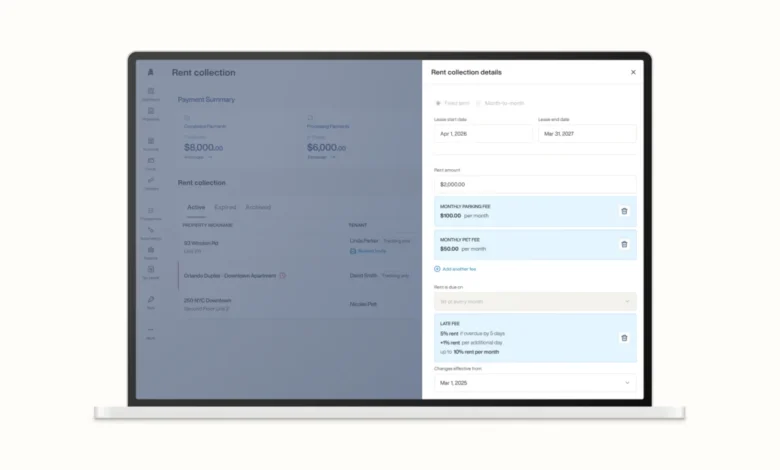
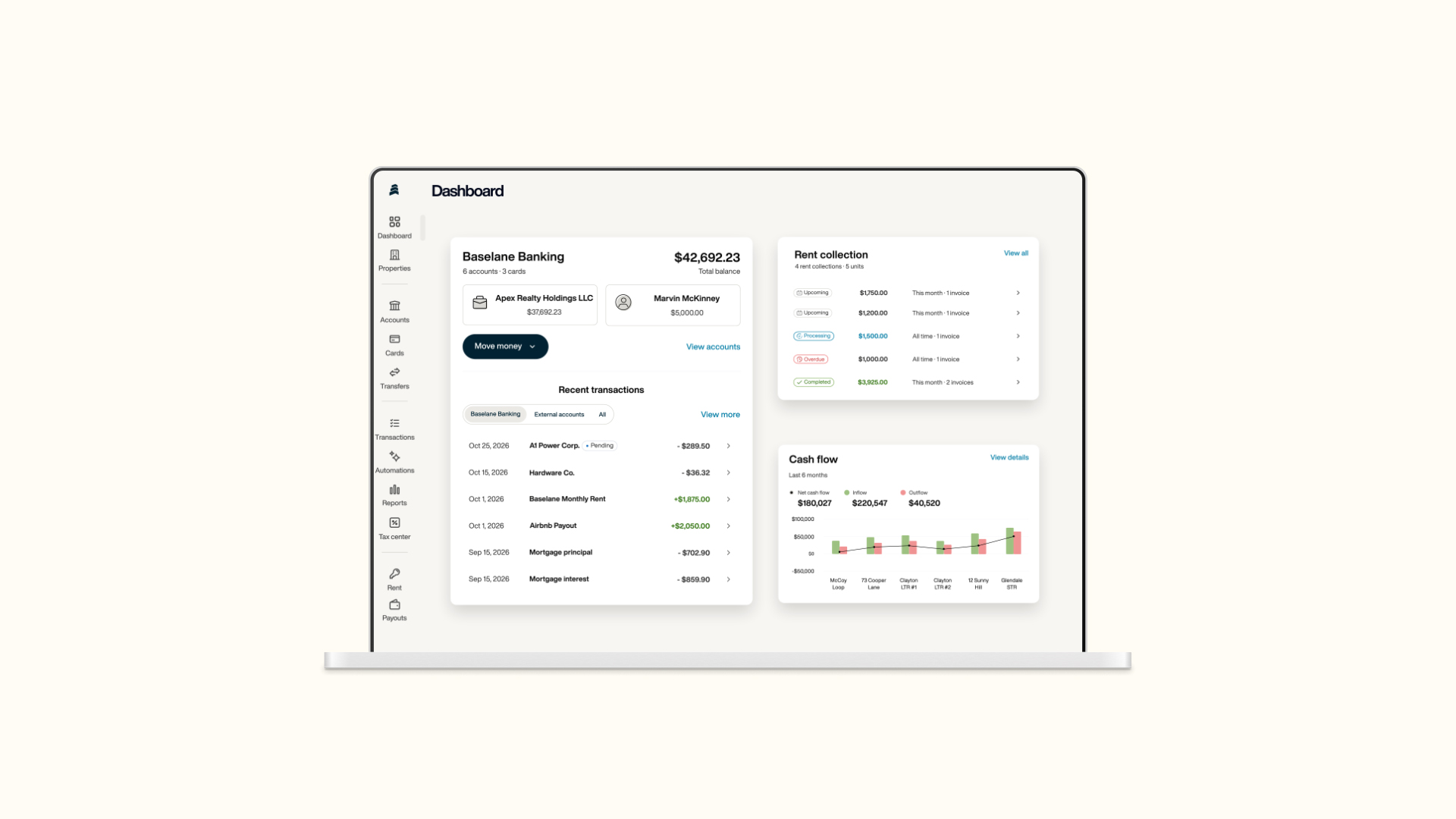
To combat the administrative drag that leads to portfolio liquidation, the real estate sector has seen a surge in specialized financial technology platforms. Tools like Baselane are designed to centralize the three pillars of landlording: banking, bookkeeping, and rent collection. By digitizing these functions, investors are finding that they can maintain control over their assets without the associated day-to-day friction.
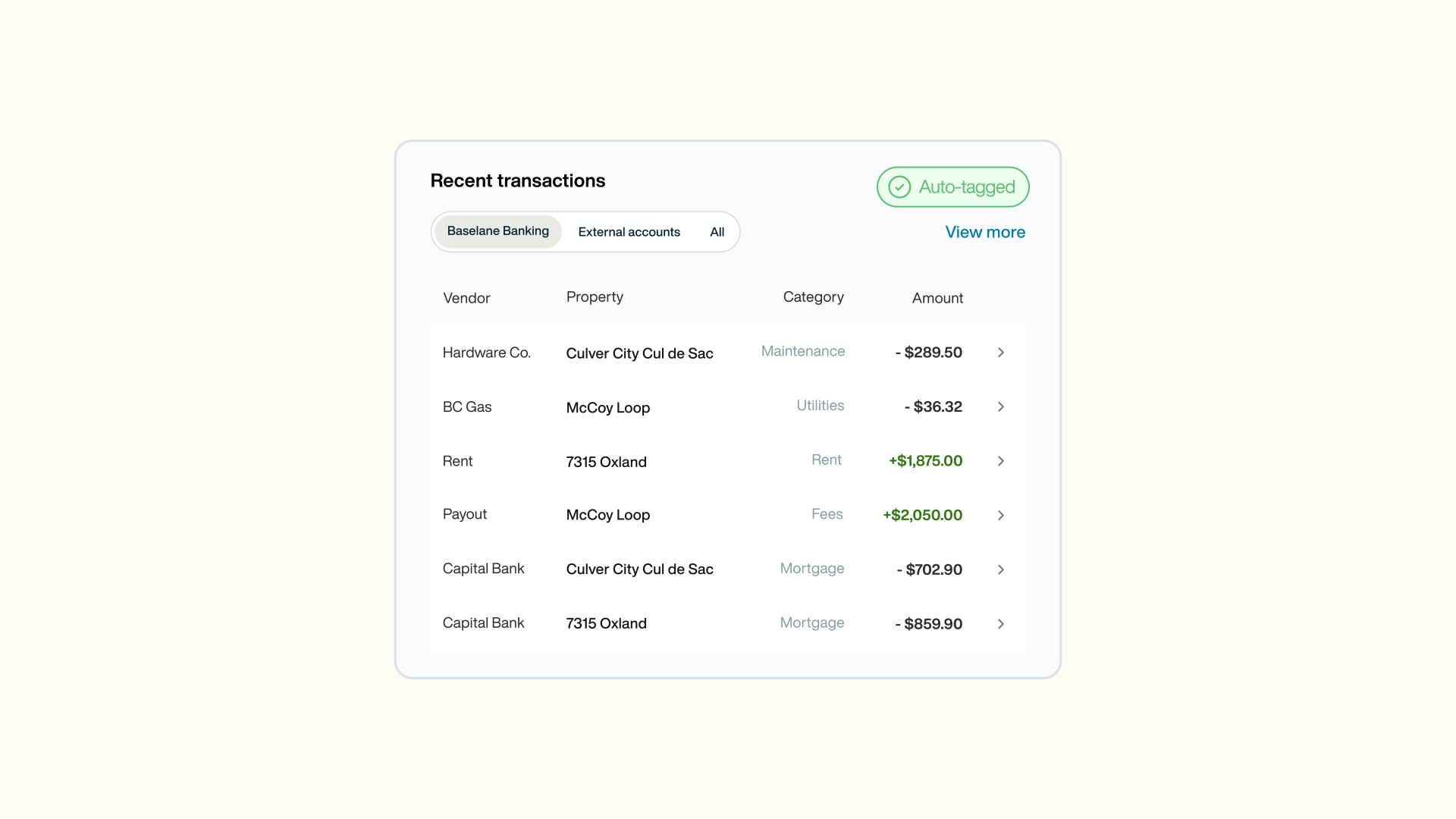
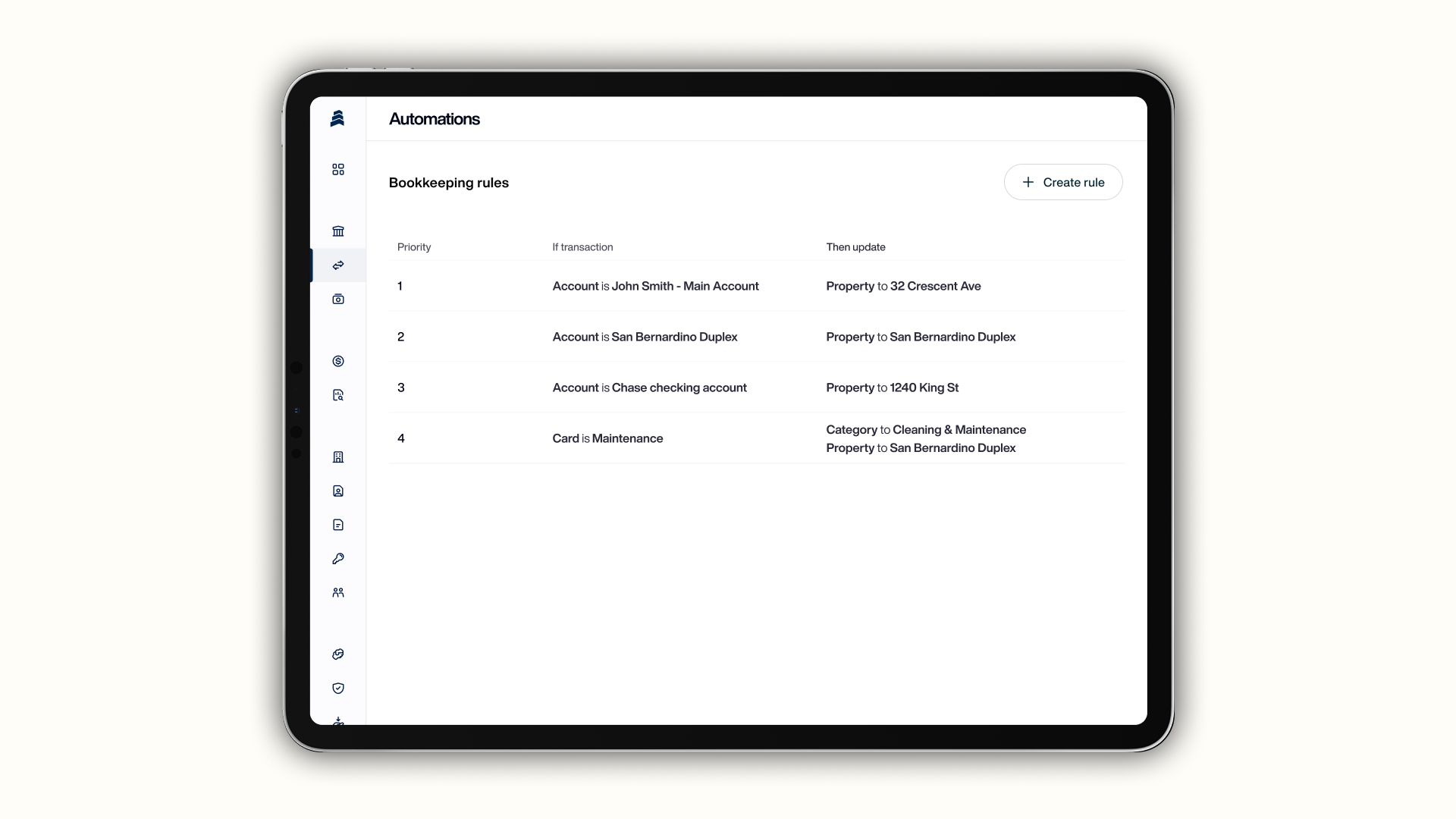
The core advantage of these platforms lies in the automation of the "Schedule E" workflow. In traditional accounting, an investor must manually categorize every transaction—a process prone to human error and time-consuming at the end of the fiscal year. Modern integrated systems auto-tag transactions as they occur, aligning them with IRS-compliant categories. This functionality ensures that every deductible expense, from plumbing repairs to property taxes, is captured in real-time. For an investor managing multiple entities or LLCs, this level of organization is essential for maintaining the corporate veil and ensuring audit-readiness.
Addressing the "Bad Cop" Dynamic
One of the most significant challenges for the individual landlord is the psychological barrier to enforcing lease terms. Many landlords, seeking to avoid confrontation, fail to collect late fees or enforce strict payment deadlines. This reluctance creates a "soft" management style that can lead to cash flow volatility, particularly when mortgage payments are due before rent is collected.
Automated rent collection systems effectively remove the landlord from the confrontation cycle. When a platform automatically issues invoices, sends payment reminders, and enforces late fees, the software acts as the neutral arbiter of the contract. This shift in power dynamics often leads to more consistent on-time payments, as tenants recognize that the enforcement is systemic rather than personal. Furthermore, by steering tenants toward Automated Clearing House (ACH) transfers, landlords can avoid the high processing fees associated with credit card payments, further optimizing the net operating income (NOI) of the property.
Strategic Financial Management and Portfolio Reporting
Beyond day-to-day tasks, professional-grade financial oversight is critical for determining whether a property is a performing asset or a liability. A common mistake among independent landlords is failing to account for the "hidden" costs of ownership, such as the rising premiums for insurance, the impact of vacancy periods, and the necessary capital expenditure (CapEx) reserves.
Platforms that provide granular, property-level reporting allow investors to compare the performance of individual assets against their portfolio average. For example, if an investor notices that one property is consistently underperforming due to recurring maintenance costs, they can make a data-driven decision to either renovate, increase rent, or divest. This level of visibility prevents the common trap of holding onto an underperforming asset simply out of inertia.
The Role of Specialized Banking in Real Estate
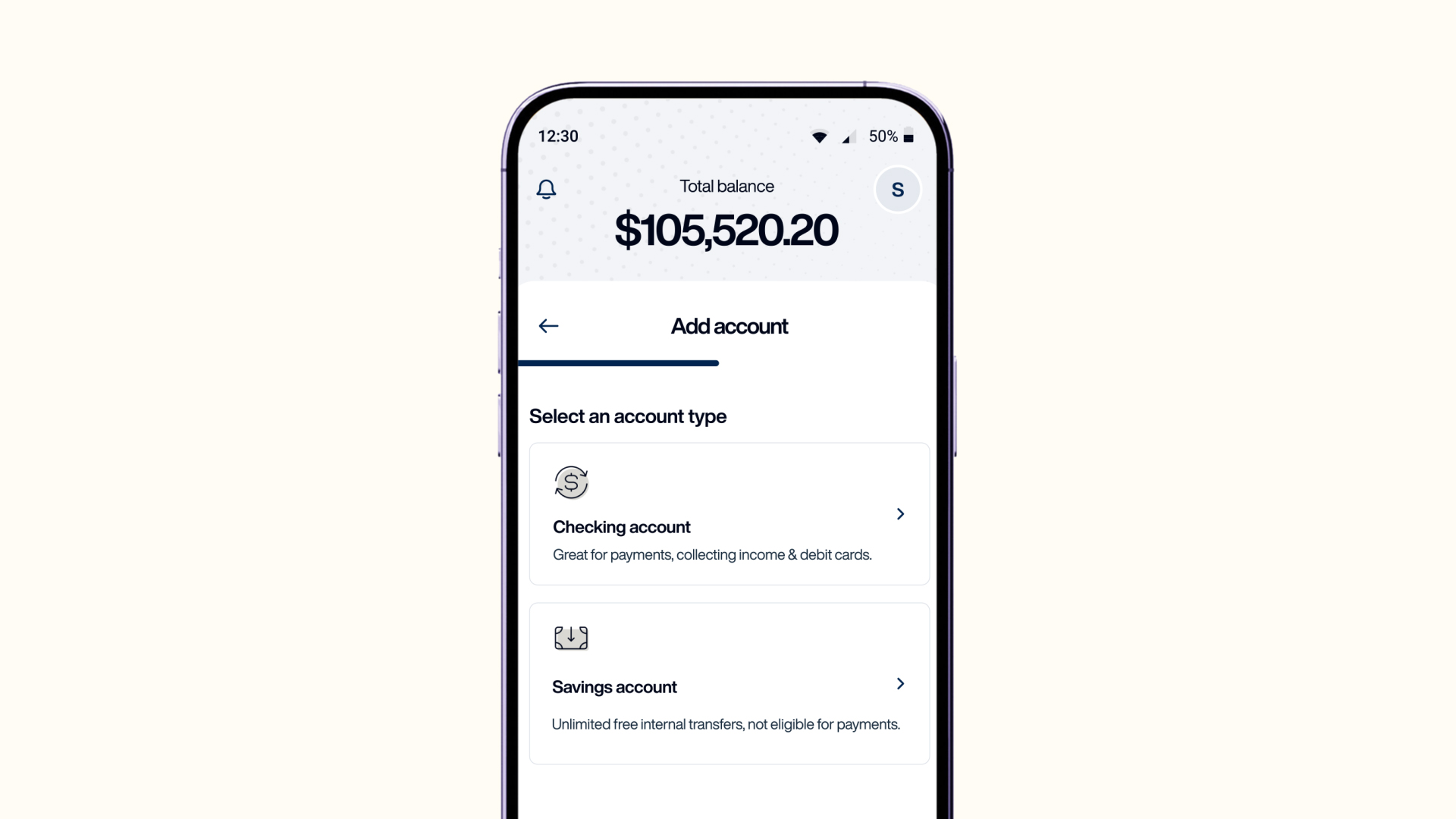
Standard commercial or personal bank accounts are often insufficient for the needs of a multi-property investor. The necessity of keeping funds separate for each property, managing security deposits, and holding reserves requires a sophisticated banking infrastructure. Newer platforms offer the ability to open unlimited sub-accounts under a single login, each with its own debit card and spending limit.
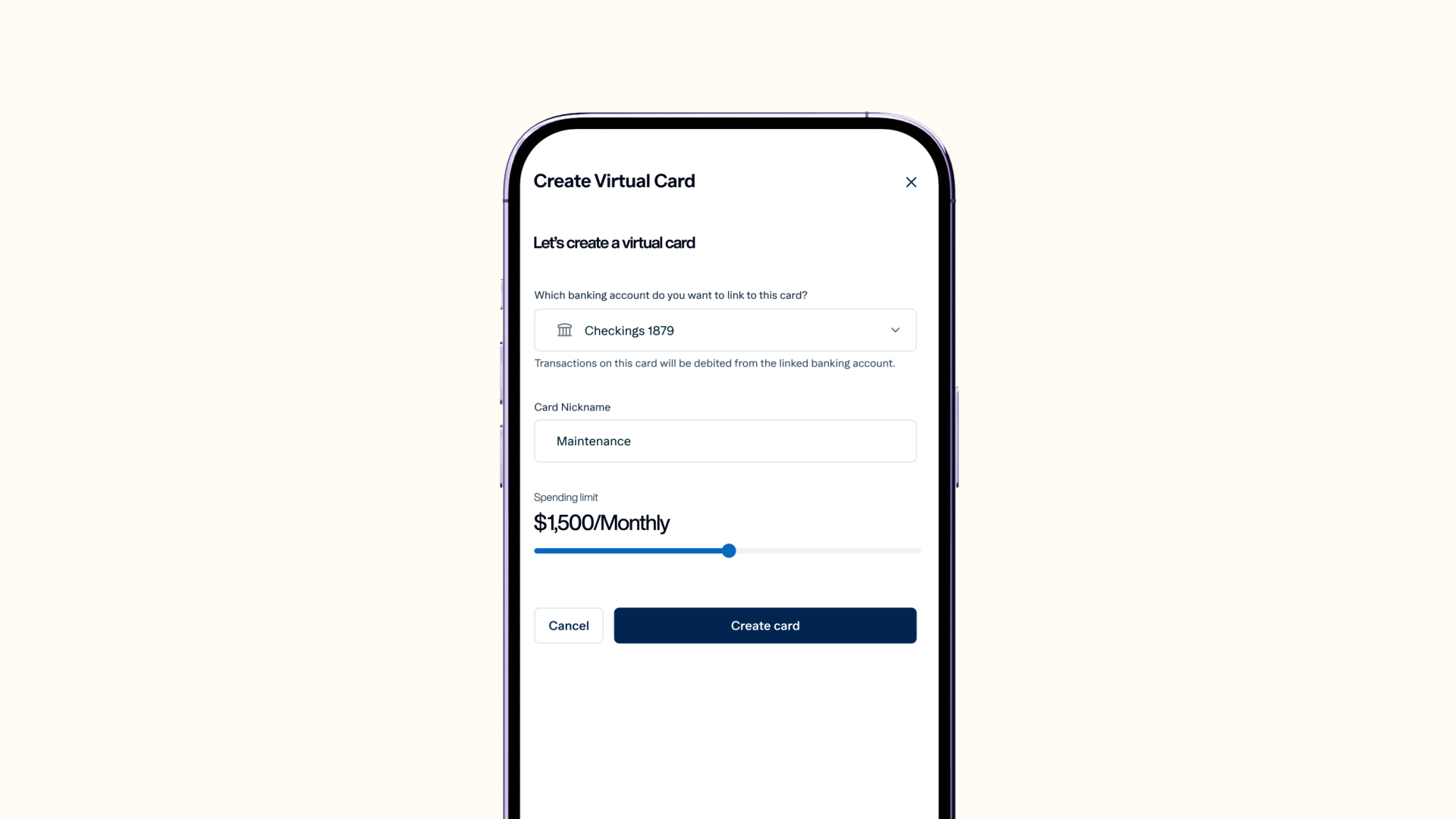
This is particularly beneficial for delegating maintenance tasks. By providing a contractor or a property assistant with a virtual debit card capped at a specific limit, a landlord can ensure that expenses are controlled without sharing access to the primary operating account. Additionally, these platforms often offer higher annual percentage yields (APY) on savings balances compared to traditional brick-and-mortar institutions, allowing capital reserves to grow while waiting for the next maintenance cycle.
Future Outlook: The Shift Toward Passive Ownership
The consensus among industry analysts is that the future of independent real estate investing lies in the "passive-active" model. In this framework, the investor retains control and ownership but delegates the repetitive, low-value administrative tasks to automated systems.
As the real estate market continues to evolve, the distinction between successful long-term investors and those who burn out will likely be their ability to adopt and integrate these technologies. The cost of such systems—often nominal when compared to the 10% or more charged by traditional property managers—represents an investment in the longevity of the portfolio.
Ultimately, the decision to sell a rental property should be based on market conditions, tax strategy, and personal financial goals, not on the inconvenience of a leaky faucet or the difficulty of collecting a monthly rent check. By automating the backend of the rental business, investors can recapture their time, reduce their stress, and preserve their assets for the long term. The transition from an overwhelmed landlord to a disciplined portfolio manager is not just a change in strategy—it is a necessary evolution for anyone looking to build sustainable wealth in the 21st-century real estate market.
Related posts: