The Ultimate Guide to Brand Mentions in the Age of Search Engines and Artificial Intelligence

In the modern digital economy, businesses can invest heavily in building a visually impressive website, crafting pristine content, and ensuring a seamless user experience, yet still remain completely invisible to prospective customers. This paradox stems from a fundamental shift in how contemporary search engines and artificial intelligence platforms evaluate digital entities. Rather than relying solely on a brand’s own web architecture, algorithms deployed by industry leaders like Google and OpenAI’s ChatGPT evaluate the entire digital ecosystem. They analyze what third-party sources say, how often a brand is discussed, and the context in which its name appears to determine overall authority, trustworthiness, and relevance.
As digital discovery evolves from traditional keyword matching to complex generative engine optimization (AEO), the mechanics of online visibility have shifted outward. Every time a trusted publication, an independent expert, or a niche community thread references a business, it constructs a vital building block of digital credibility. Understanding how these references operate, why they have become paramount, and how organizations can systematically earn and track them is now a cornerstone of modern digital marketing strategy.

Deconstructing Brand Mentions: Linked Versus Unlinked References
A brand mention encompasses any third-party reference to a business, product, or executive across the digital landscape. These citations manifest in varied formats, including news articles, discussion forum threads, video descriptions, podcast transcripts, and social media commentary. Industry analysts broadly categorize these references into two primary subsets: linked mentions and unlinked mentions.
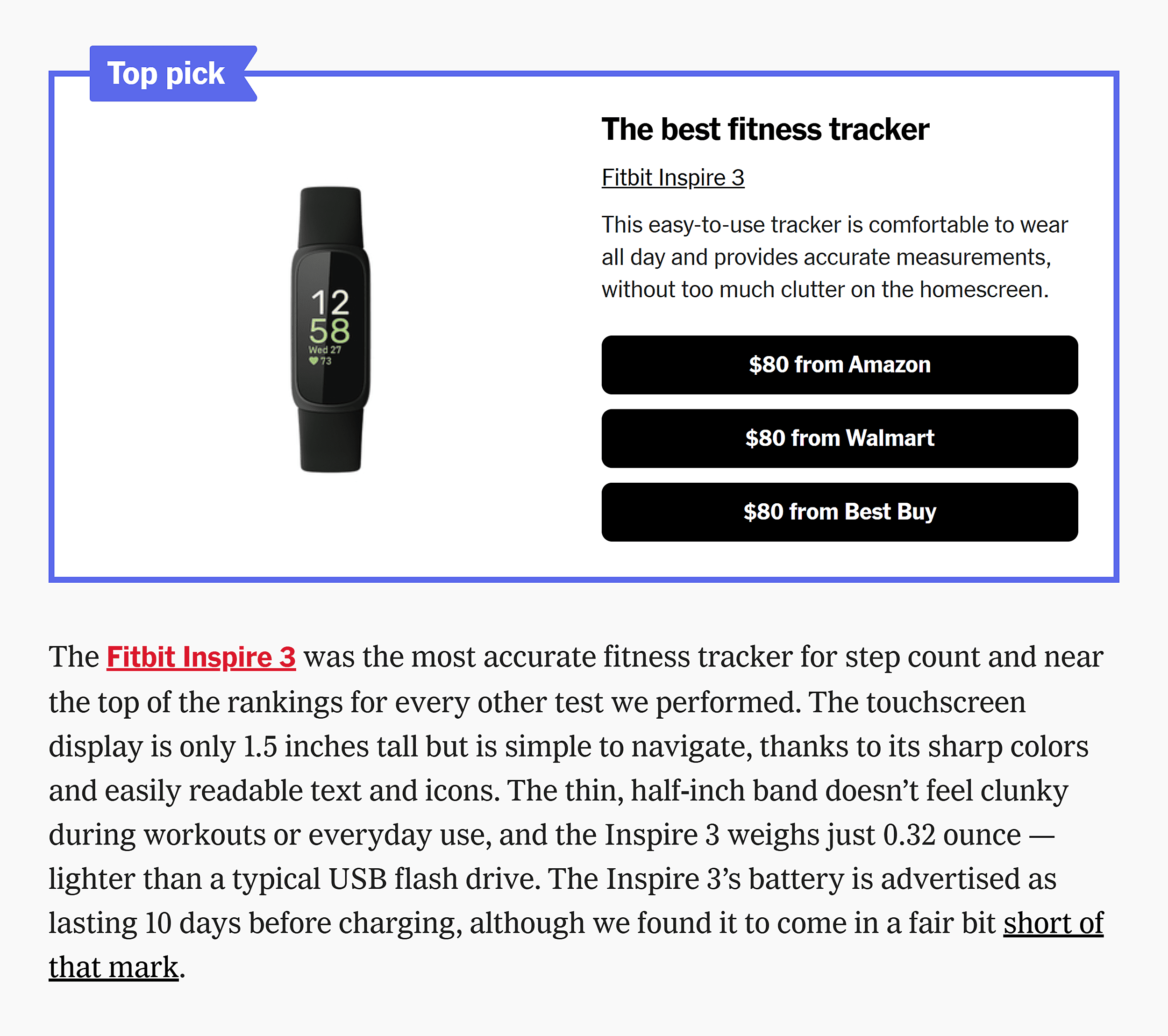
Linked mentions provide a direct, clickable hyperlink routing users from an external website back to the brand’s domain, simultaneously passing referral traffic and valuable authority signals. For instance, a prominent newspaper publishing a consumer guide on the best fitness trackers will frequently include direct hyperlinks to specific manufacturer product pages. Conversely, unlinked mentions reference the brand name textually without embedding a hyperlink. A user discussing consumer electronics on a community platform like Reddit might praise a specific smartwatch maker by name without attaching a URL.

While linked mentions offer immediate performance benefits through direct traffic acquisition, unlinked mentions hold immense value for search engines and large language models (LLMs). Both variations contribute significantly to establishing comprehensive brand context, feeding algorithms the qualitative data necessary to map entity relationships within the global information graph.
The Divergence Between Web Mentions and LLM Mentions
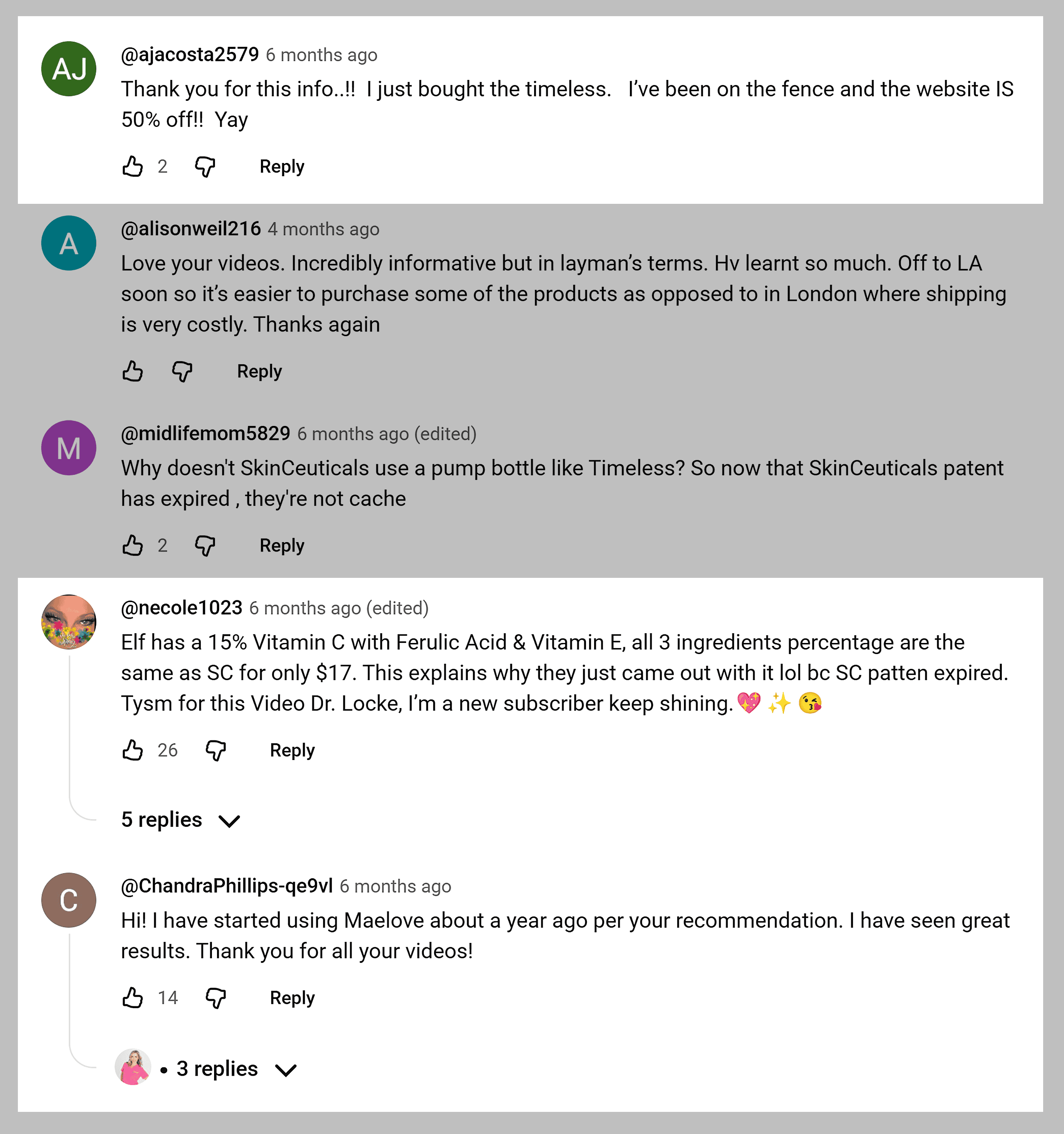
A critical distinction exists between standard web brand mentions and those generated dynamically by generative artificial intelligence. When an LLM references a brand in response to a user prompt, that interaction is typically transient and personalized. The response is heavily influenced by the user’s conversational context, historical queries, and the specific architecture of the model at that moment. Crucially, these conversational references rarely exist outside the immediate dialogue session.
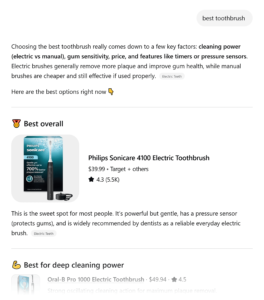
In contrast, traditional web mentions are static and publicly accessible. They appear uniformly to any individual querying the indexed web. Generating widespread, positive web mentions acts as the foundational input for achieving visibility within AI responses. Because generative models synthesize vast swathes of training data drawn from trusted web pages, consistent representation across authoritative third-party sources directly increases the probability that an AI tool will recommend that brand.
The Evolving Significance of Brand Mentions in Modern Search Architecture
The mechanics of search engine optimization have undergone a seismic transformation over the past decade. Historically, visibility relied heavily on technical optimization and direct backlink profiles. Today, brand mentions serve as vital trust signals for several distinct reasons.
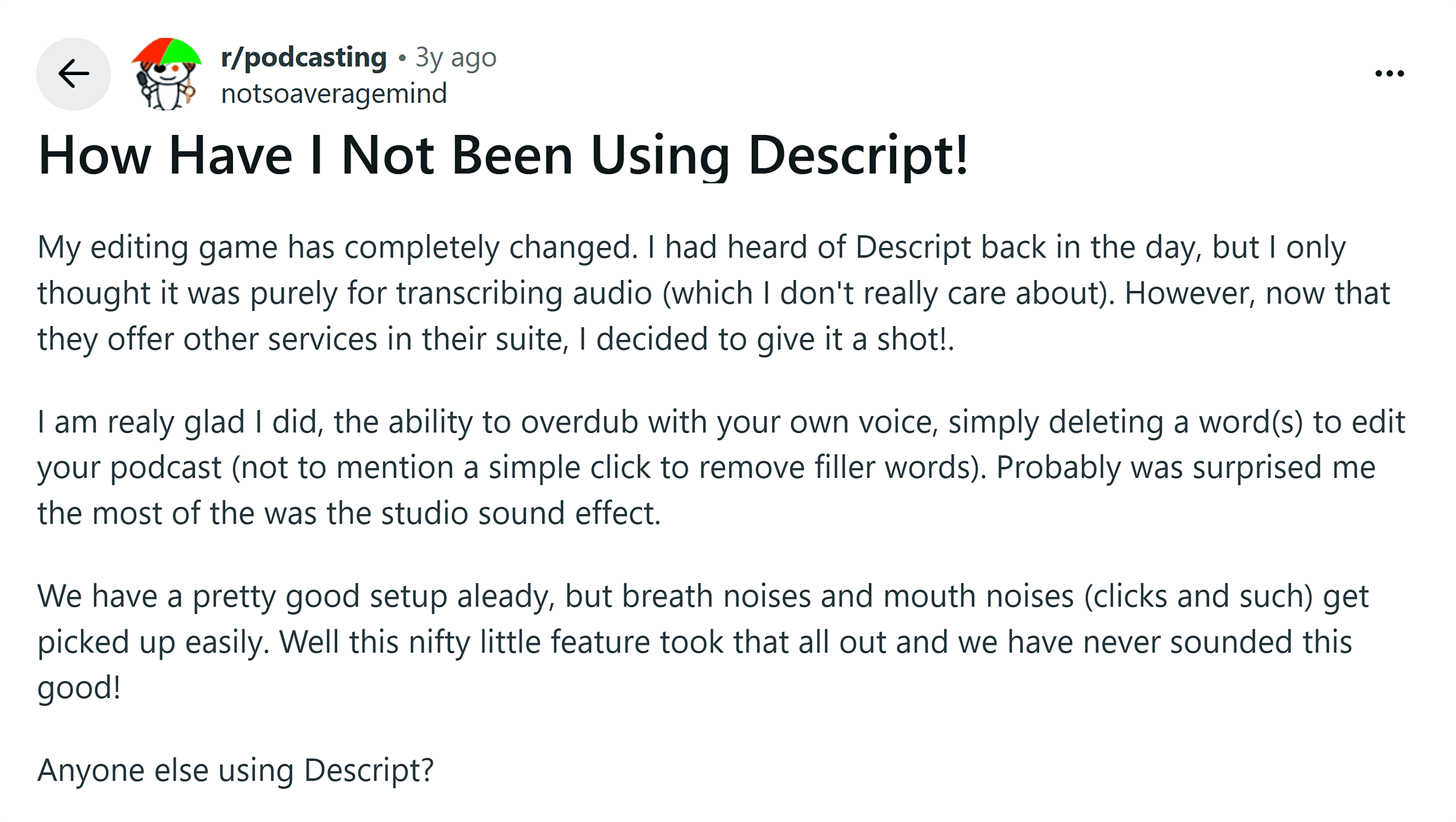
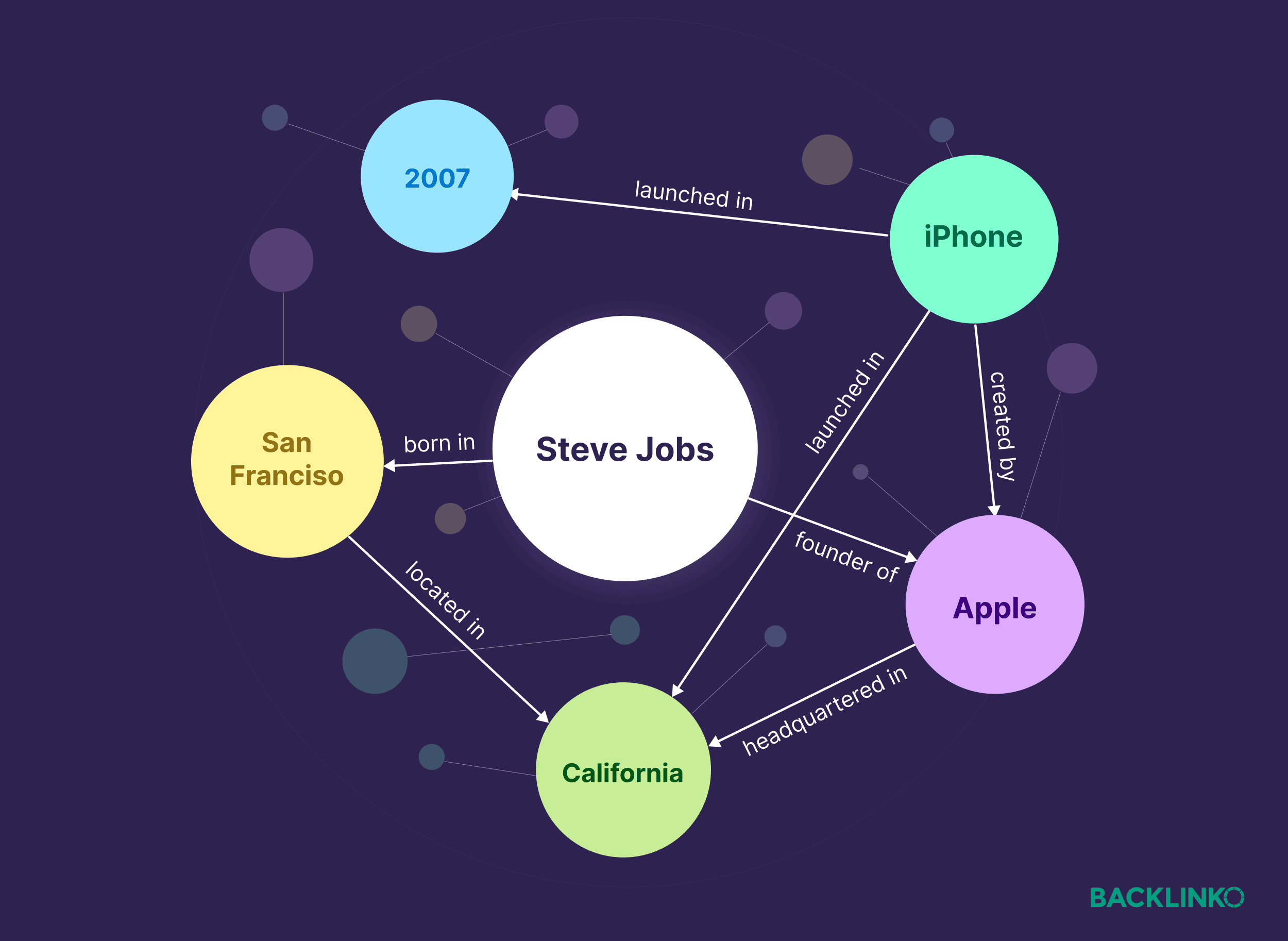
First, search engines heavily evaluate brand authority based on consensus across the wider web. Google utilizes complex databases such as the Knowledge Graph to map semantic relationships between real-world entities, organizations, and concepts. Brand mentions act as primary data points that refine the algorithm’s understanding of a company’s market standing, industry vertical, and overall reputation. If an entity is frequently discussed in authoritative contexts alongside established industry competitors, search algorithms gain higher confidence in its legitimacy.
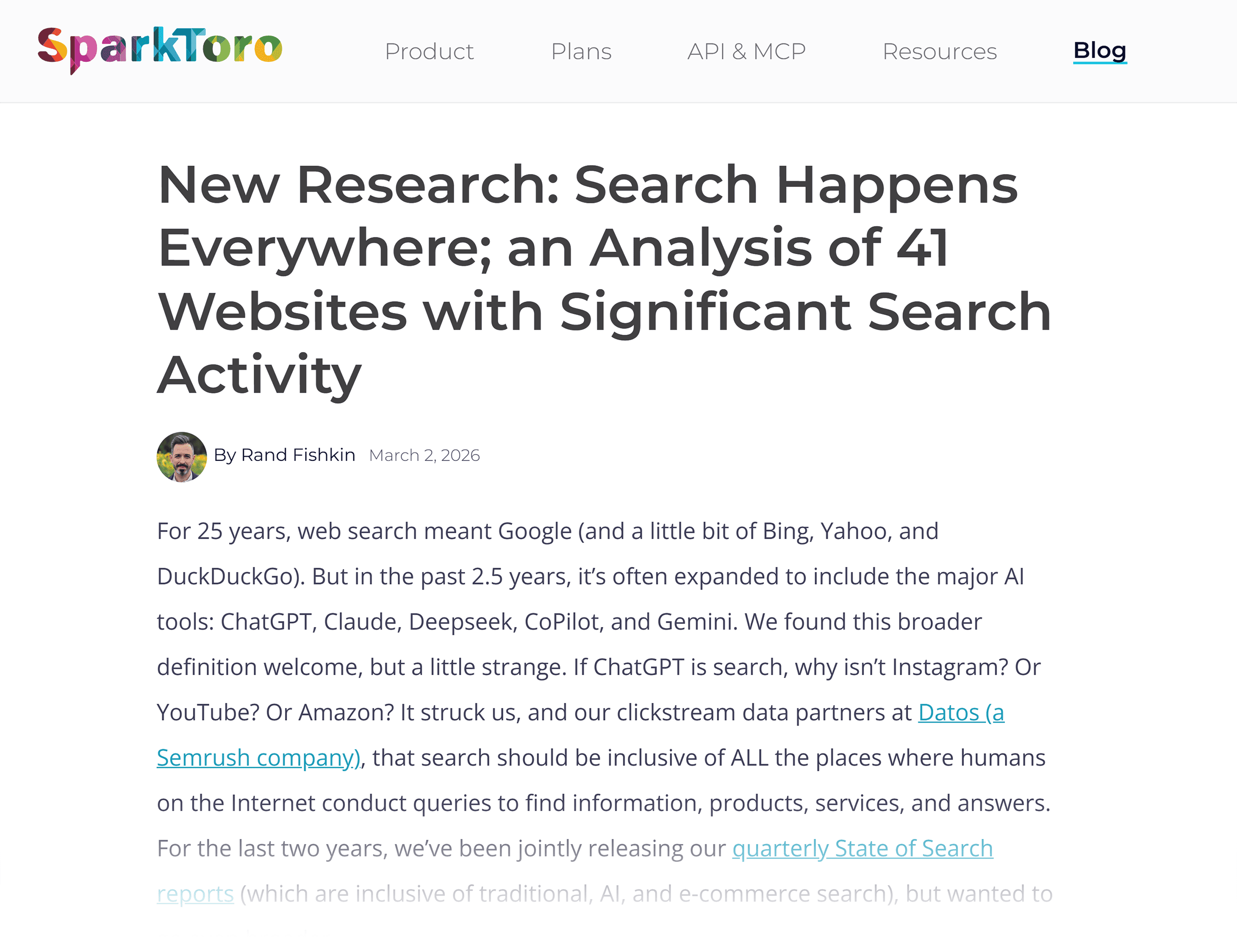
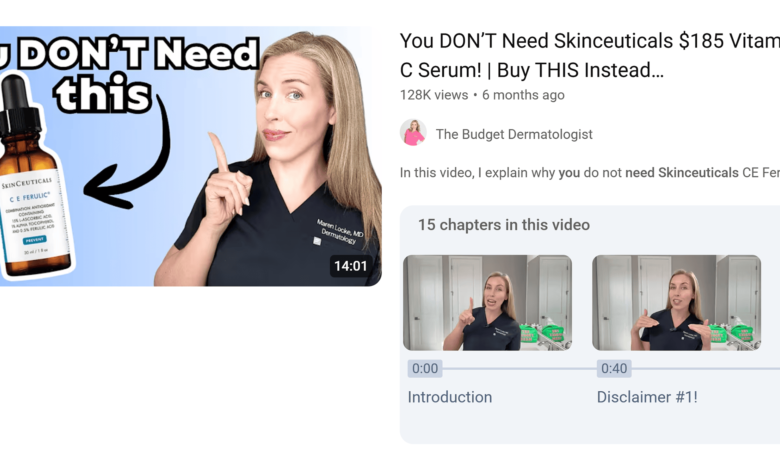
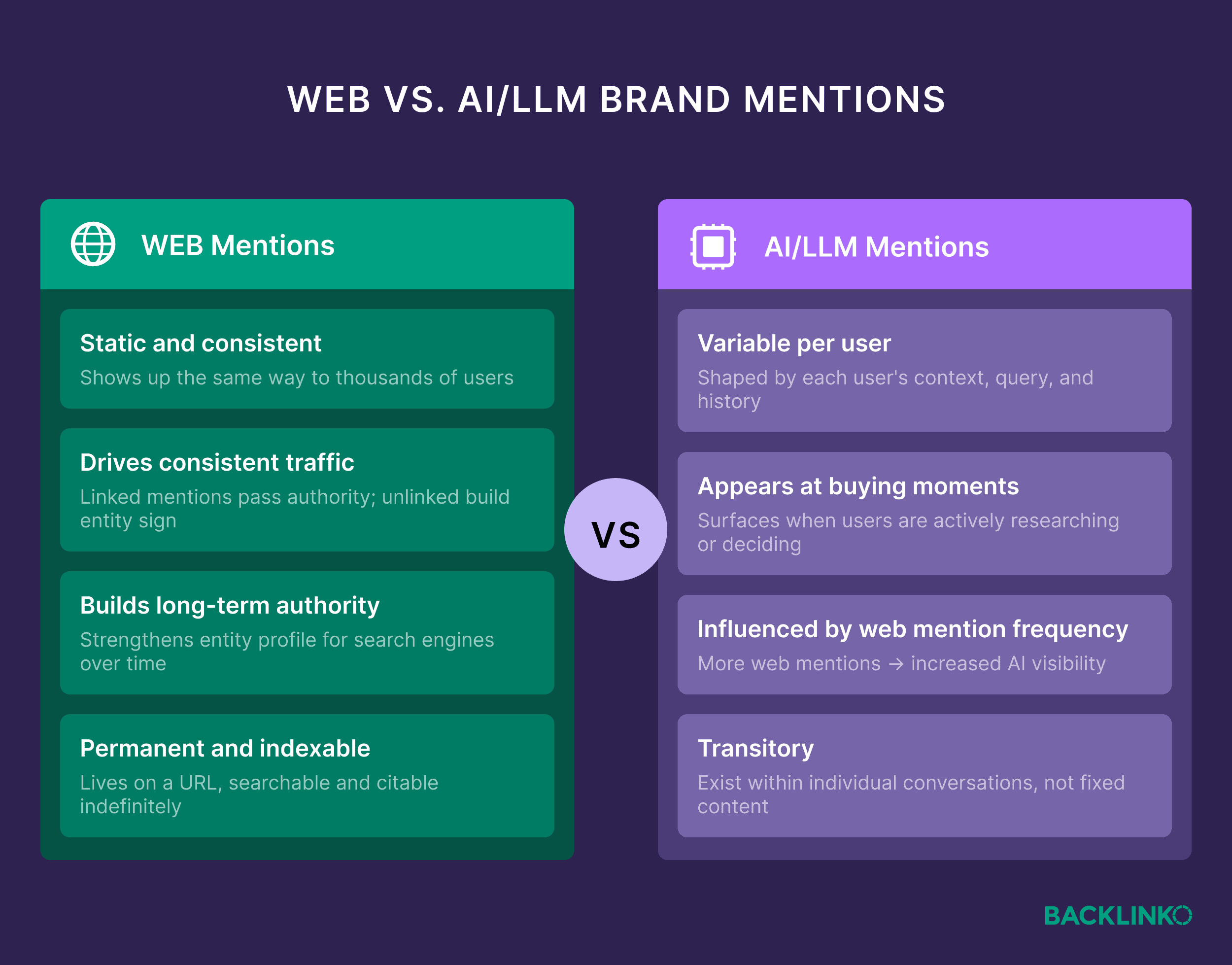
Second, third-party references organically expand audience reach into demographics that may not be actively searching for a specific product category. For example, independent video creators and product reviewers frequently evaluate comparative alternatives, exposing viewers to brands they might otherwise have overlooked. When consumers observe authentic discussions and peer recommendations in the comments sections of widely consumed media, conversion rates and brand recall rise exponentially.
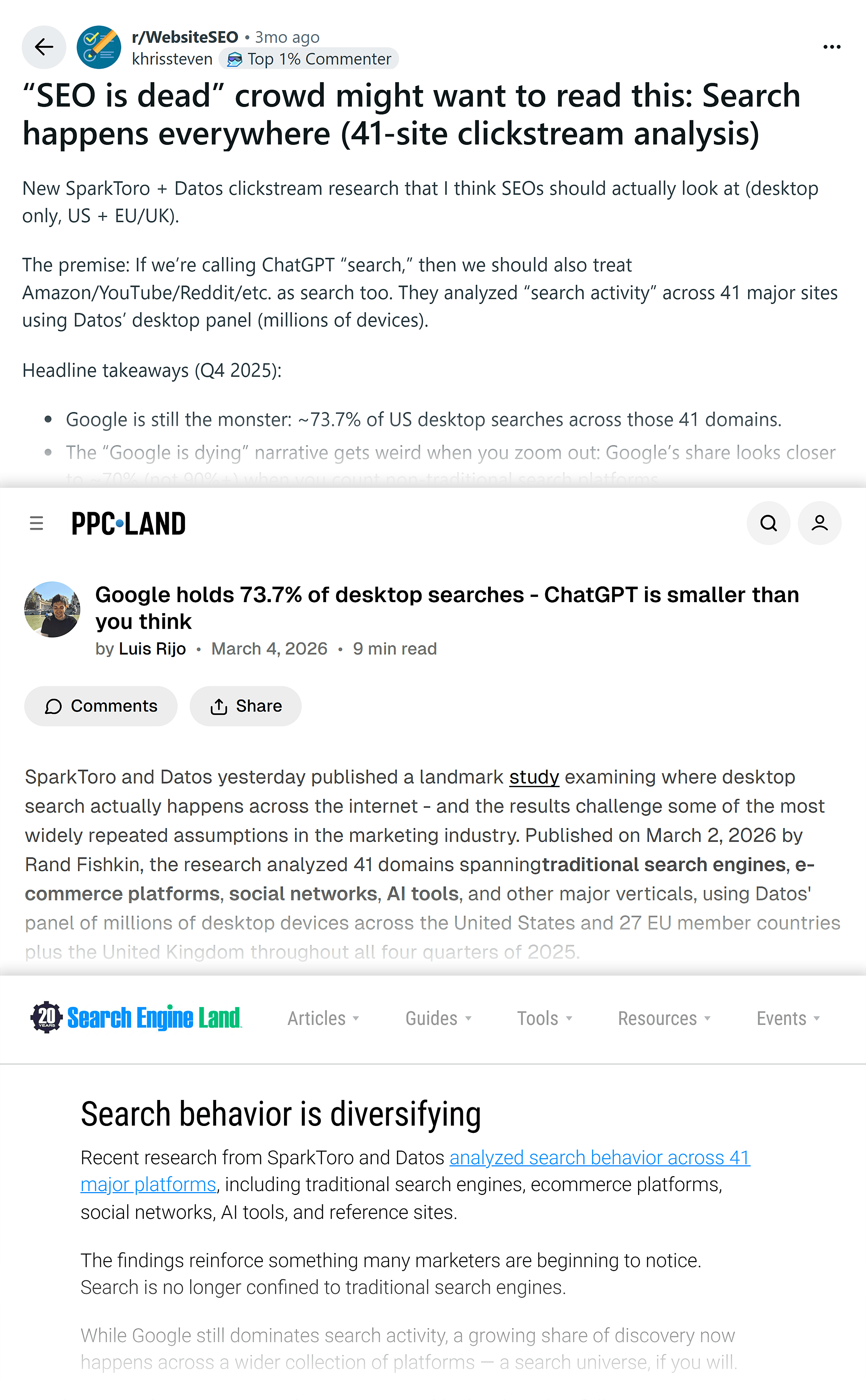
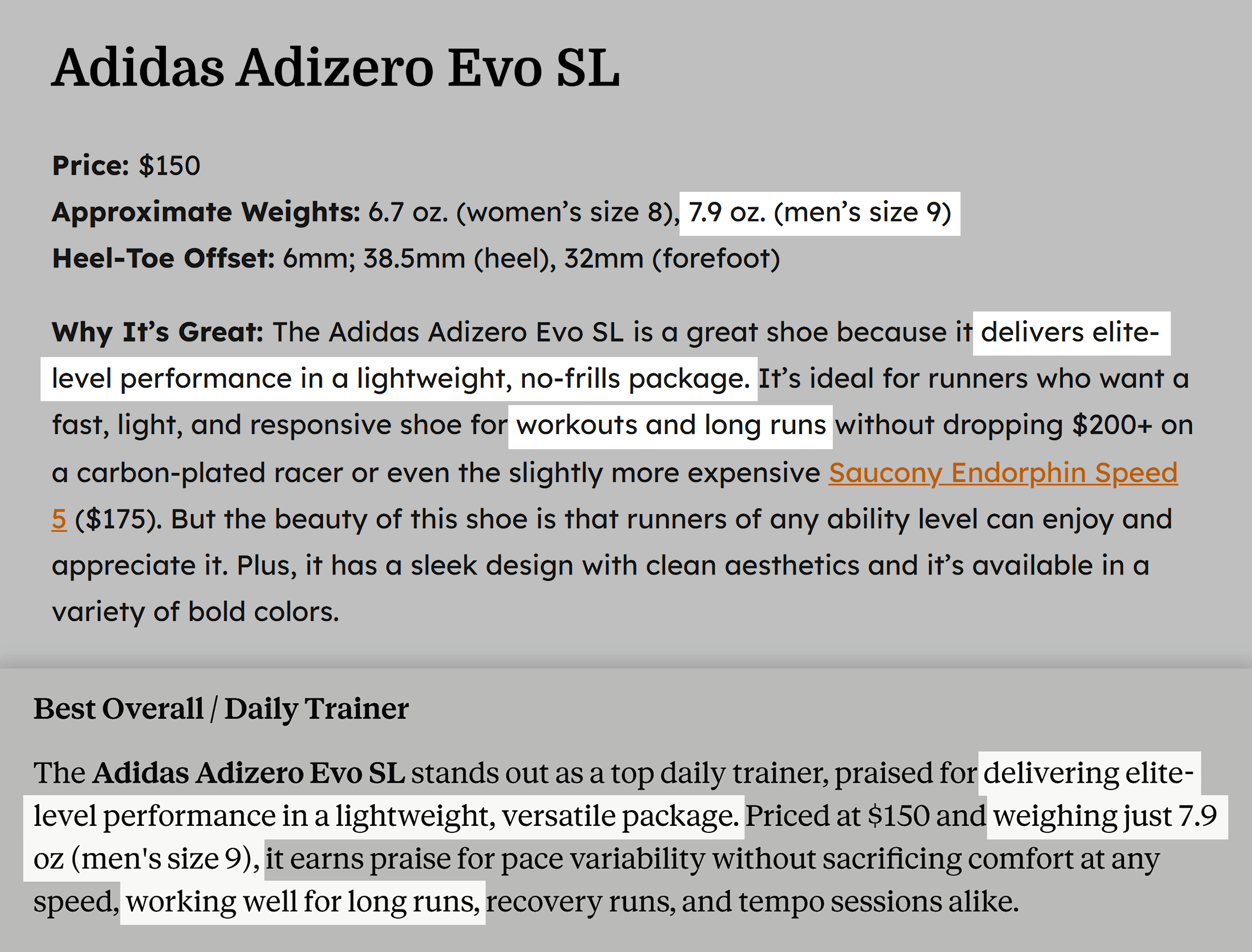
Third, large language models rely on the linguistic framing found in web literature to describe products and services. Empirical analysis of AI outputs reveals that descriptions generated by tools like Claude or ChatGPT frequently mirror the exact phrasing and value propositions utilized in prominent third-party articles and industry publications. Consequently, shaping the narrative across external web properties directly influences how artificial intelligence perceives and summarizes a brand to inquiring users.
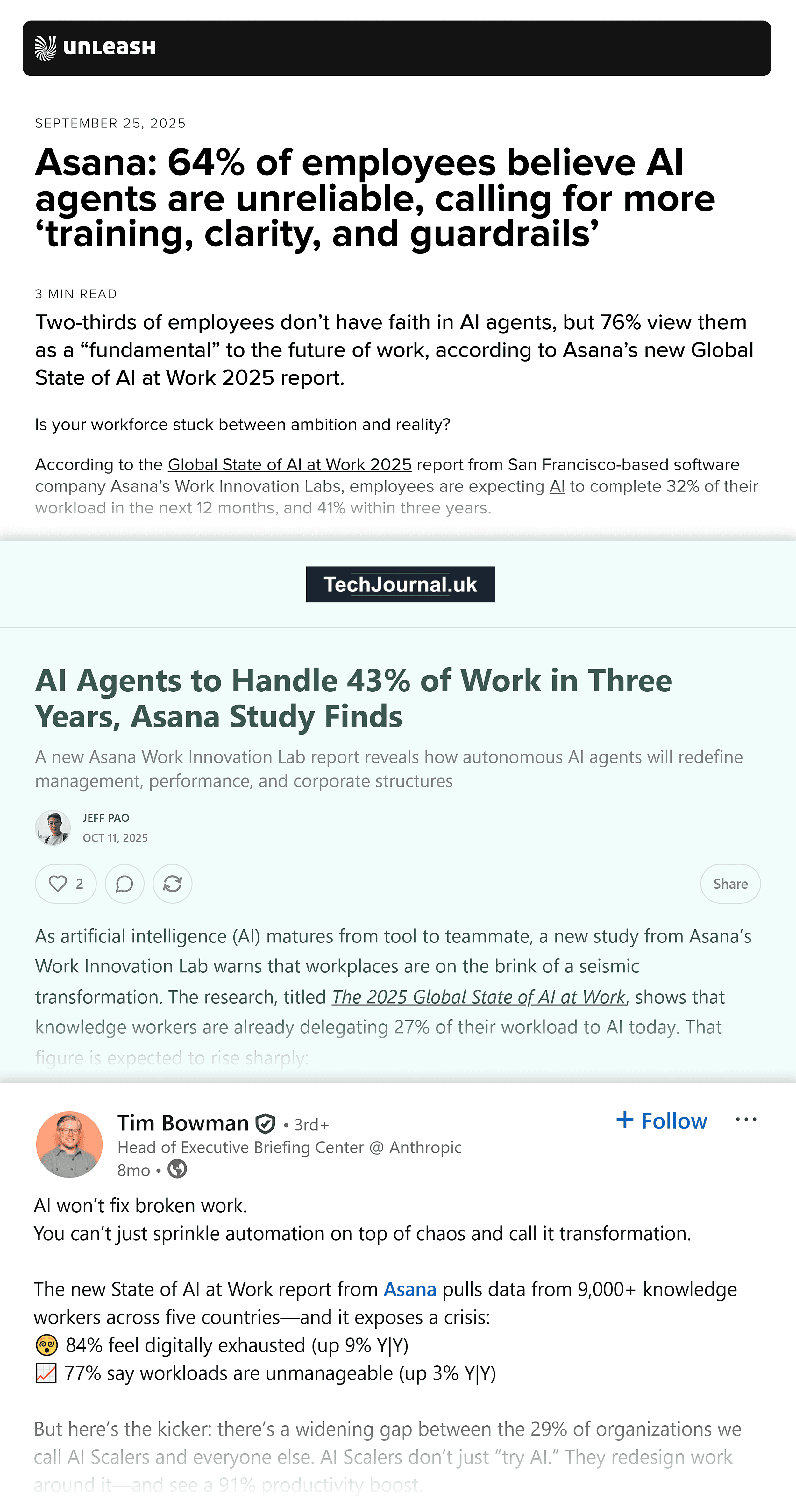
Defining Characteristics of High-Value Brand Mentions
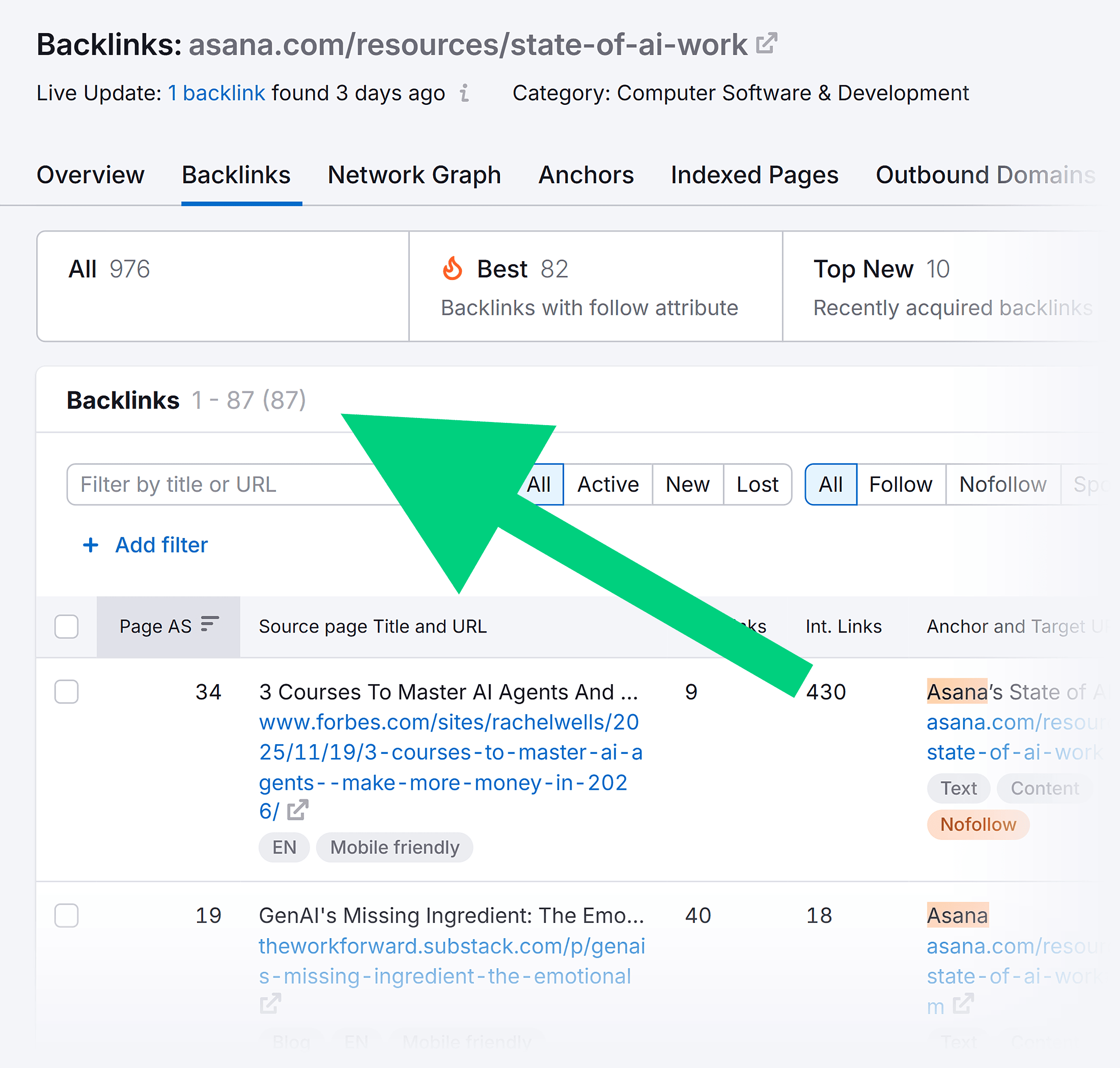
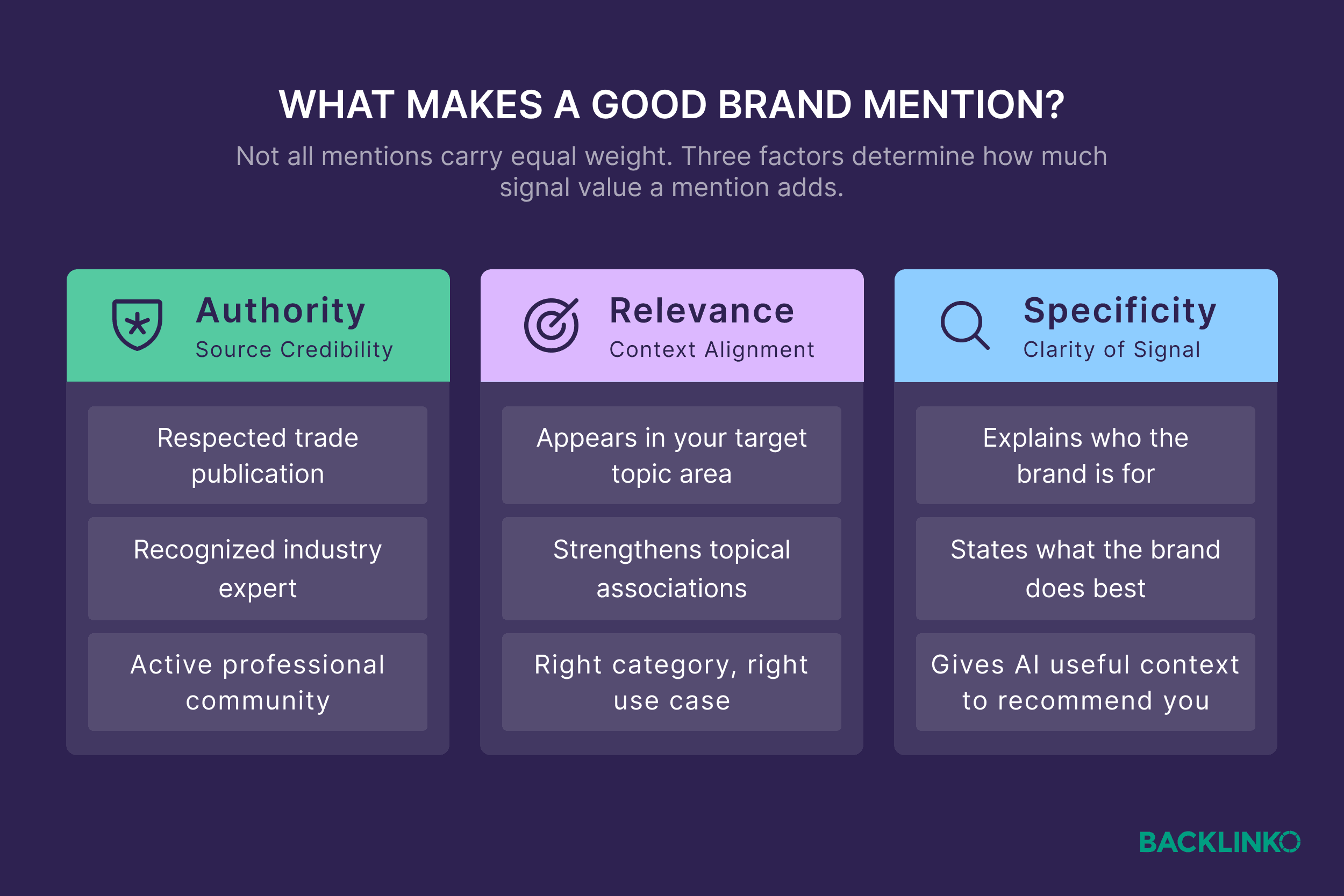
Not all brand mentions carry equal weight in the eyes of search crawlers and AI tokenizers. Industry experts categorize the quality of a mention through three fundamental pillars: authority, relevance, and specificity.
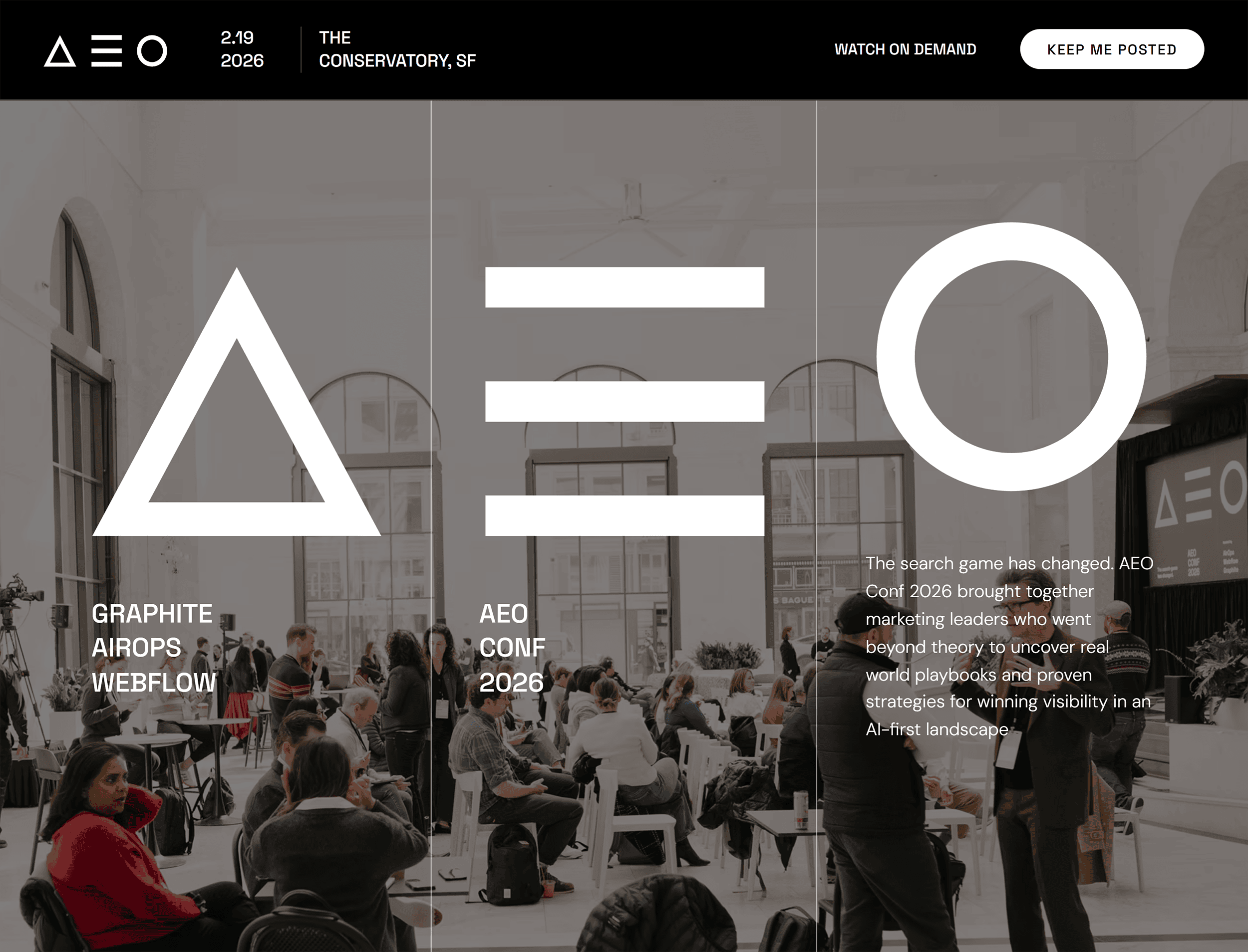
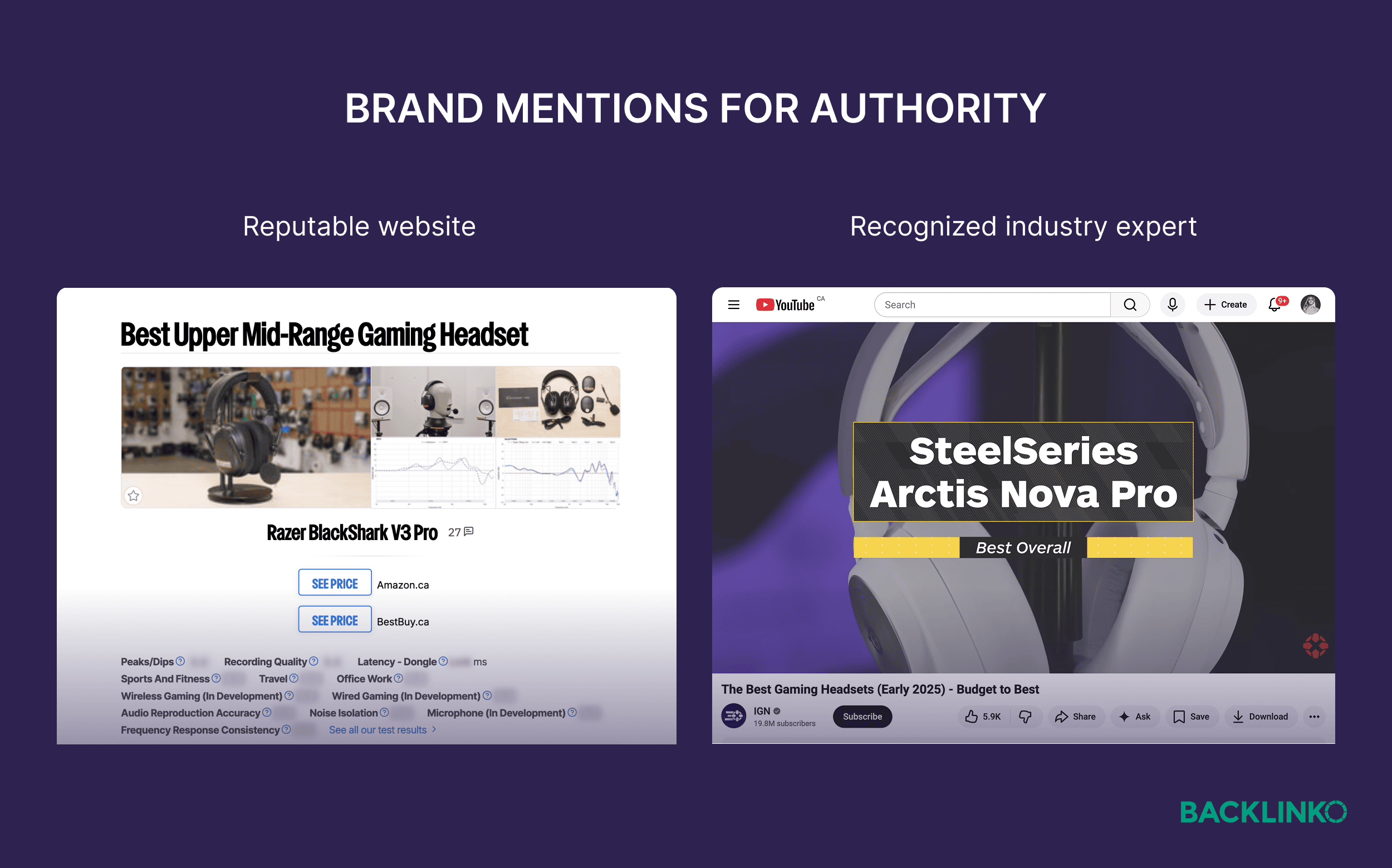
Authority relates directly to the credibility, domain rating, and trustworthiness of the publishing source. A reference within an established, peer-reviewed industry publication or a major news outlet transmits a substantially stronger signal of legitimacy than a passing mention on an unverified, low-traffic blog.
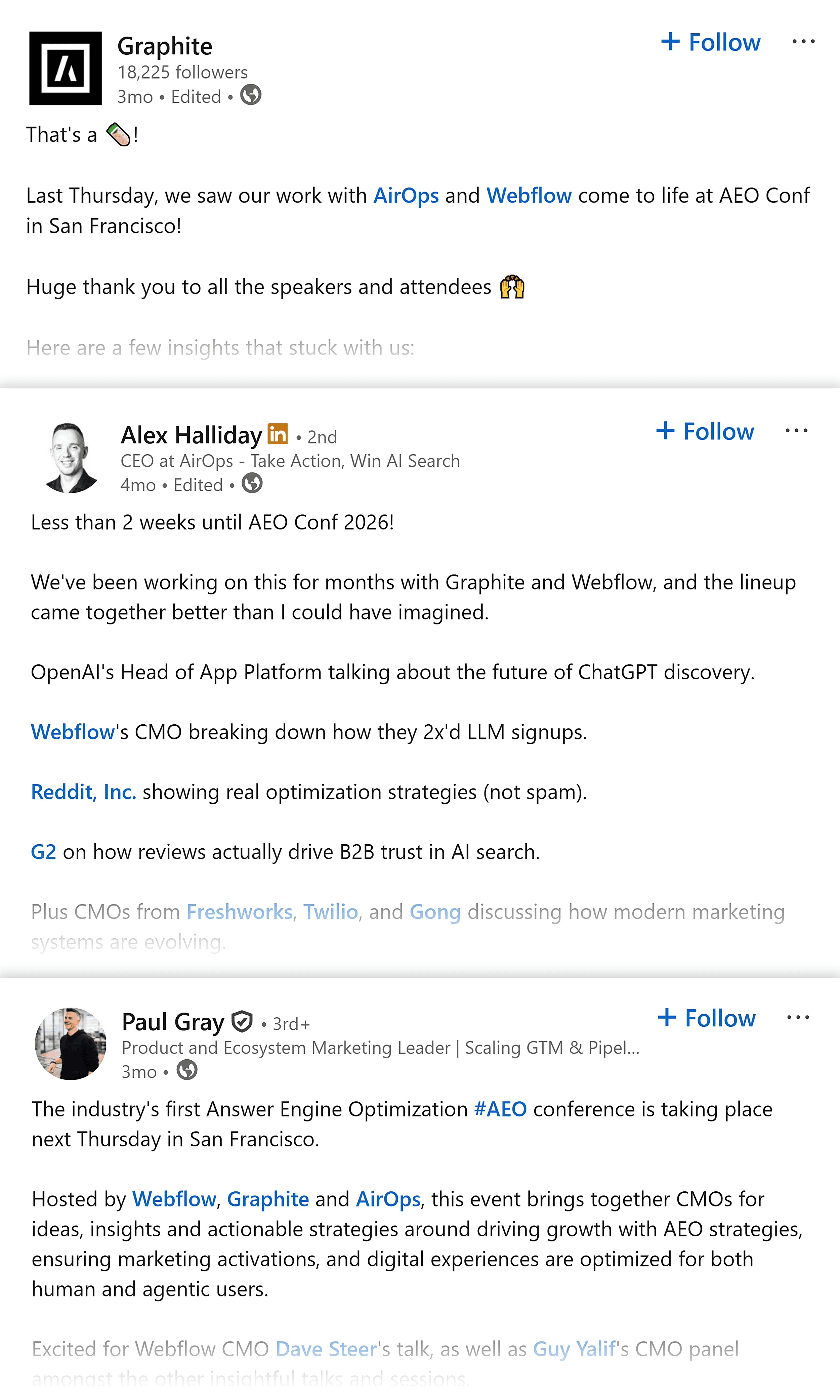
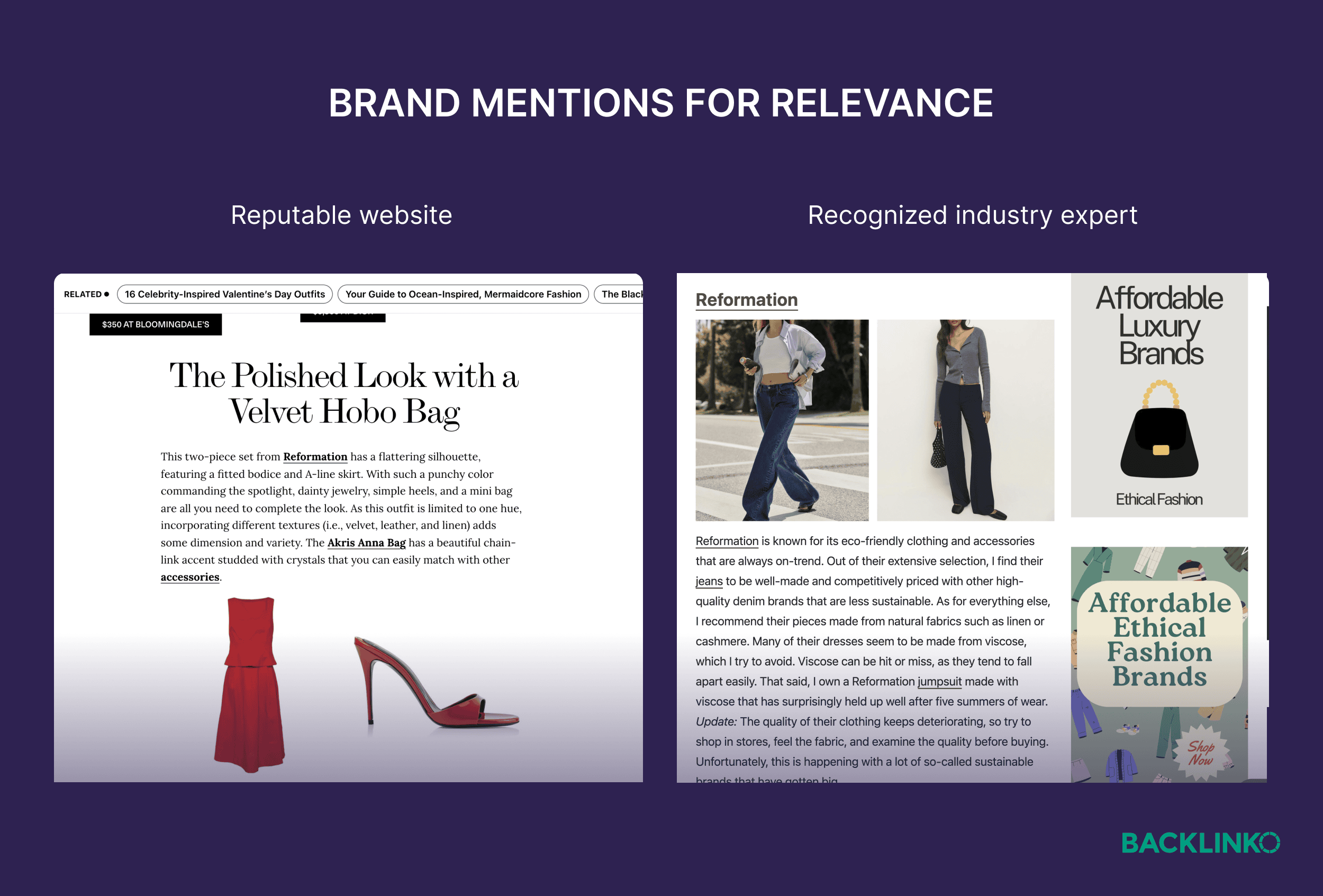
Relevance operates on dual levels. A brand must be discussed within an article or medium that directly aligns with its core industry vertical and target positioning. For instance, a sustainable fashion brand receiving continuous coverage in style publications regarding eco-friendly apparel builds robust topical authority.
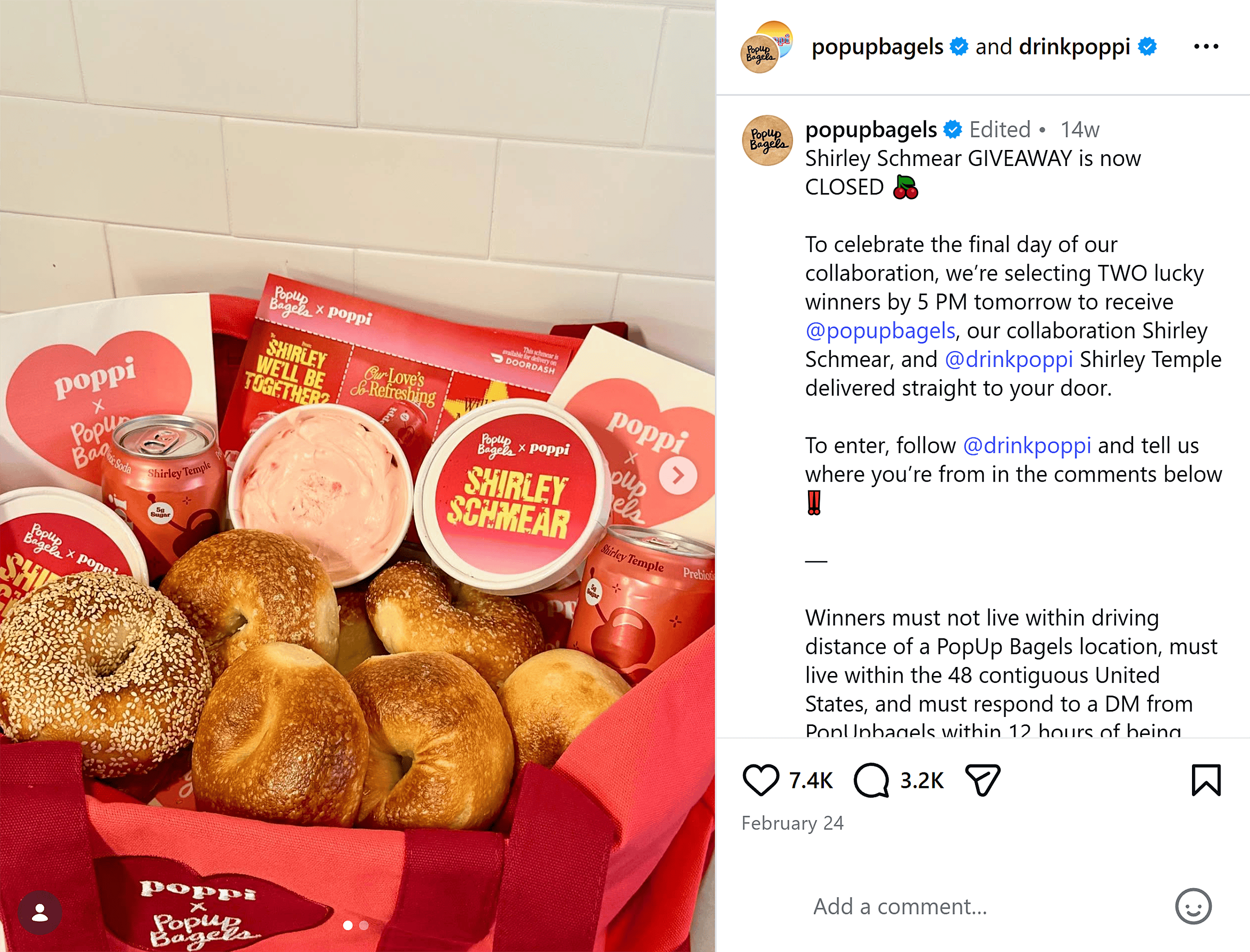
Specificity represents the final critical component. Vague references provide minimal algorithmic value. Conversely, mentions that detail specific product features, unique use cases, quantitative performance metrics, or direct experiential feedback provide search engines and AI models with actionable context regarding what the brand does and why it stands out in the marketplace.

Actionable Tactics for Earning Valuable Brand Mentions
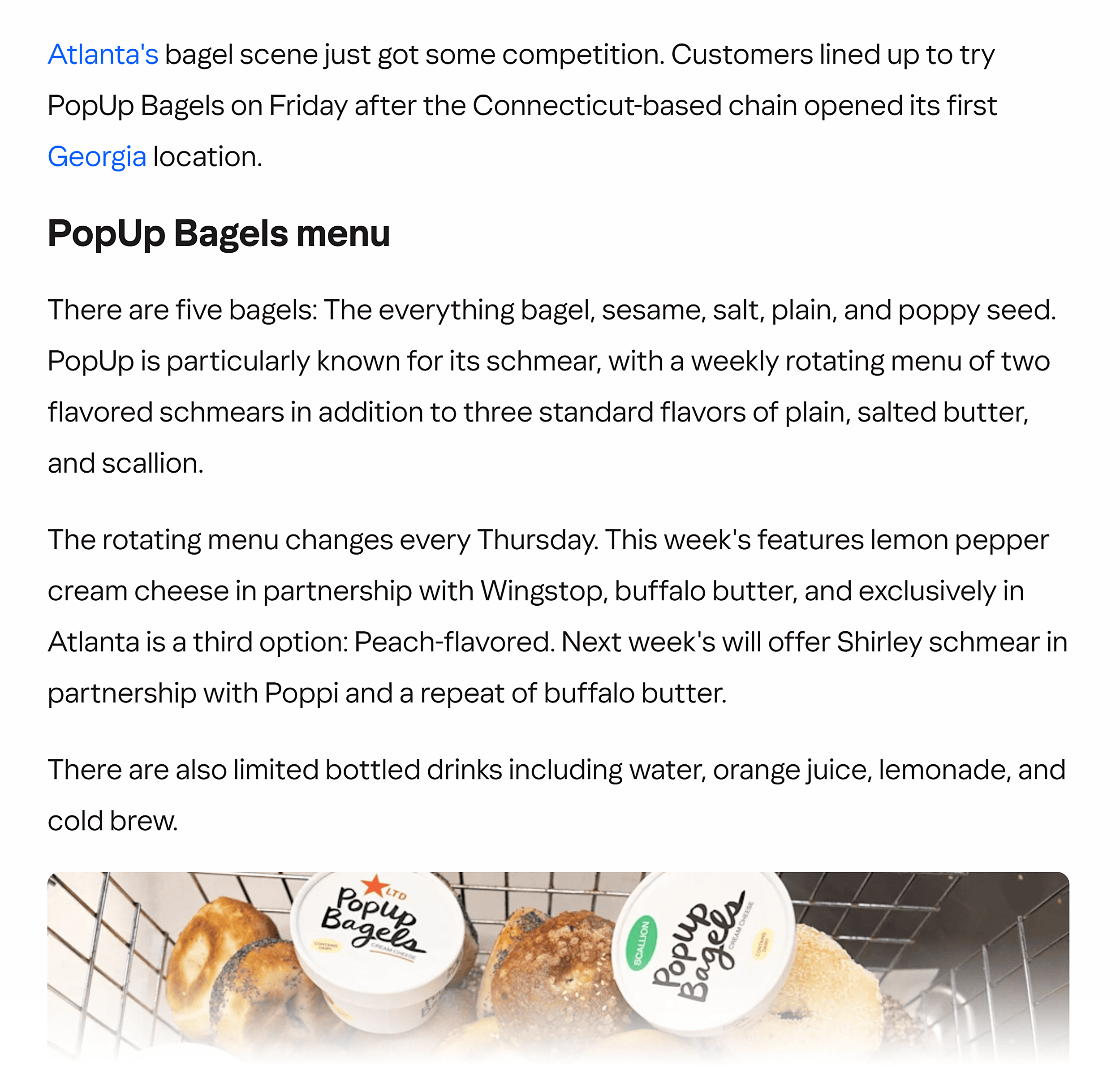
Securing consistent, high-value brand mentions requires proactive strategic planning. Organizations can employ four primary tactics to build sustainable visibility across external channels.
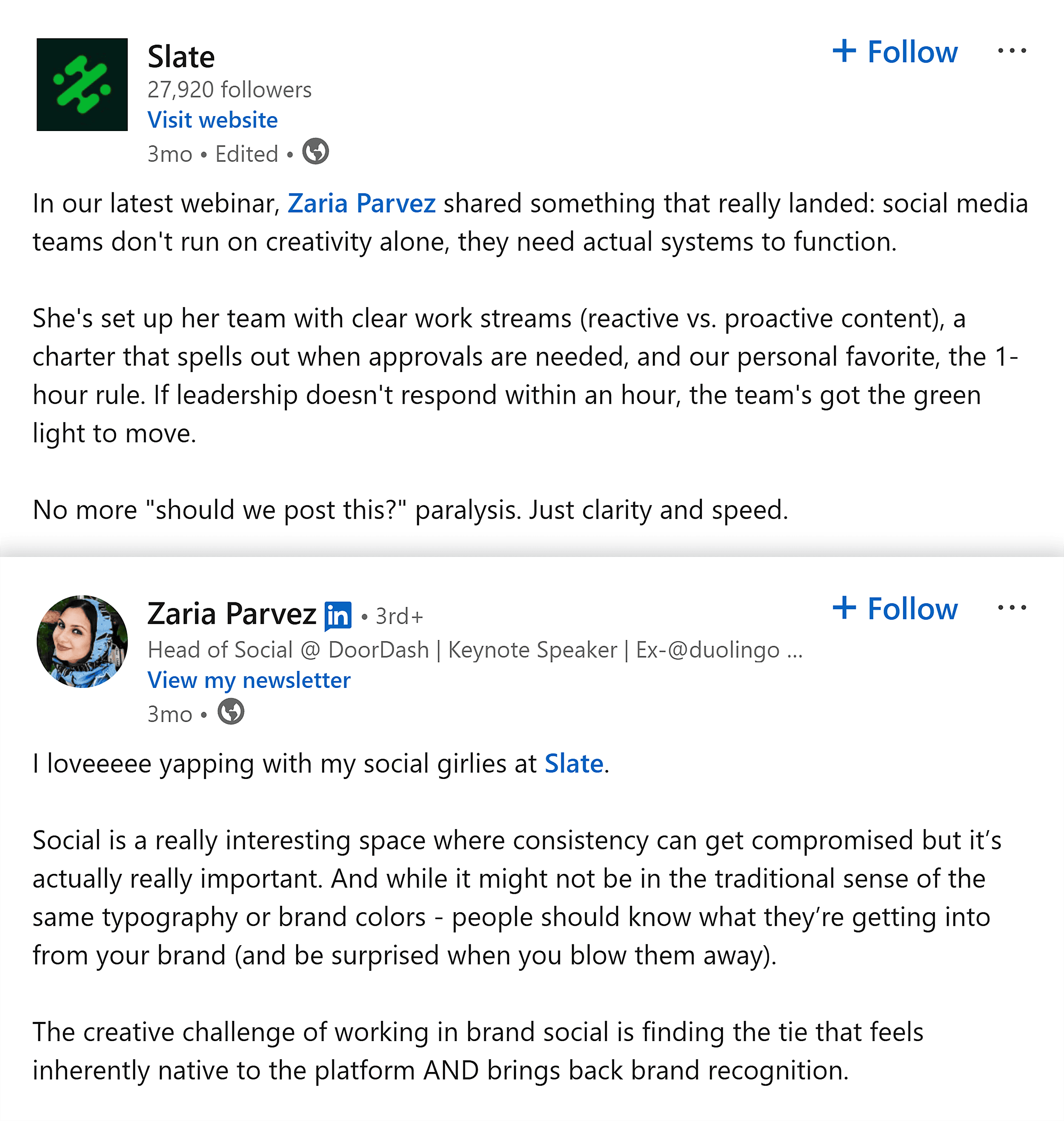
-
Creating Data-Driven, Citable Content
Original research remains one of the most reliable mechanisms for generating organic brand mentions. By conducting proprietary studies, surveys, or data analyses that address unresolved questions within an industry, organizations position their brand as the definitive primary source. When other publications, journalists, and researchers reference those findings, citing the originating brand becomes mandatory. Packaging research reports with clear executive summaries, visual data charts, and easily digestible key performance indicators encourages widespread distribution across trade media and social platforms.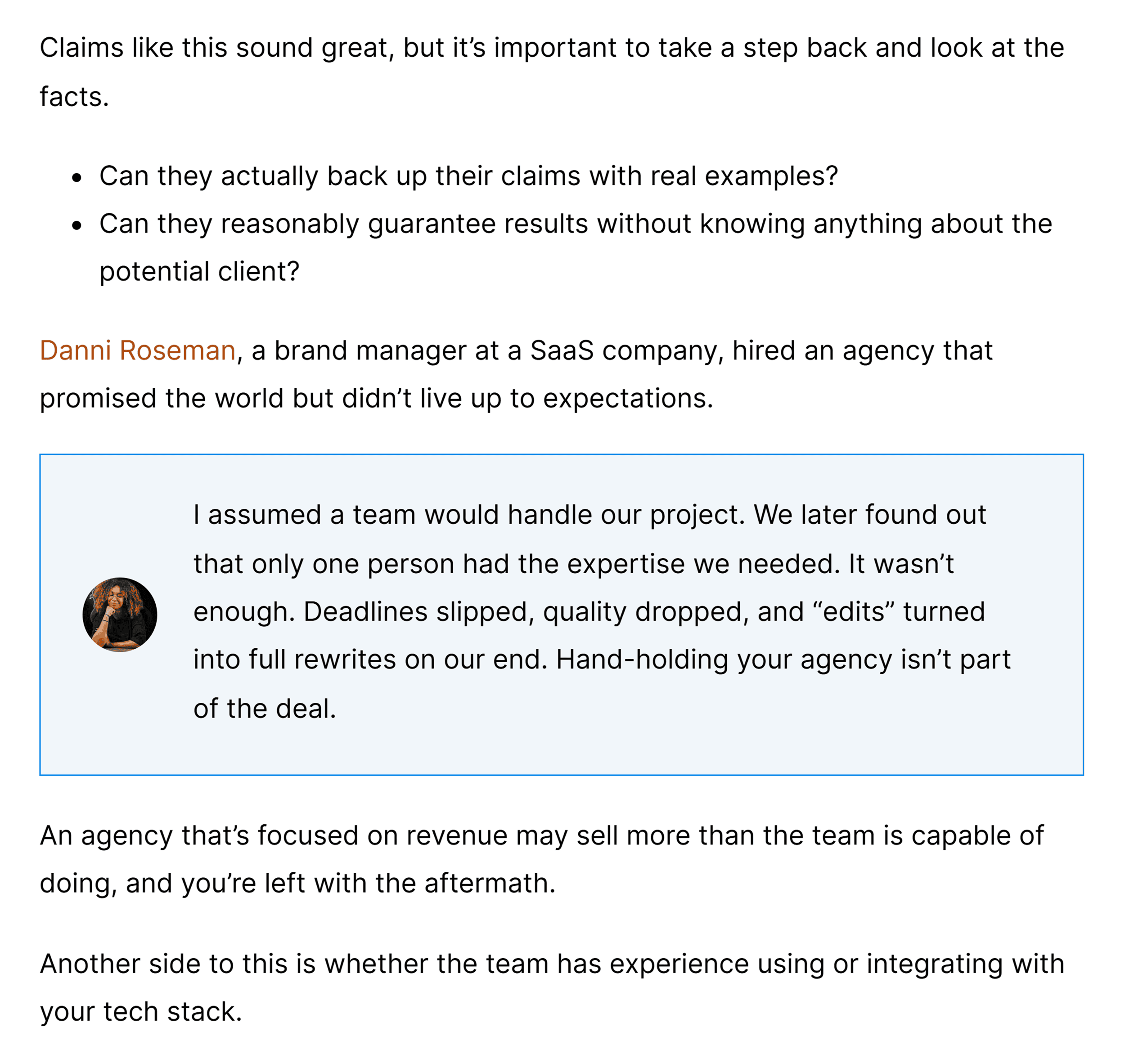
-
Partnering with Complementary Brands on Co-Created Assets
Collaborating with non-competing businesses that share a similar target audience amplifies reach exponentially. Joint ventures, co-hosted digital conferences, or co-branded product campaigns naturally generate dual-brand mentions across all promotional materials, press releases, and post-event attendee recaps. When independent sources repeatedly reference two or more brands in identical contexts, search engines and LLMs register strong co-occurrence signals, solidifying the association between the brands and their shared topical niche.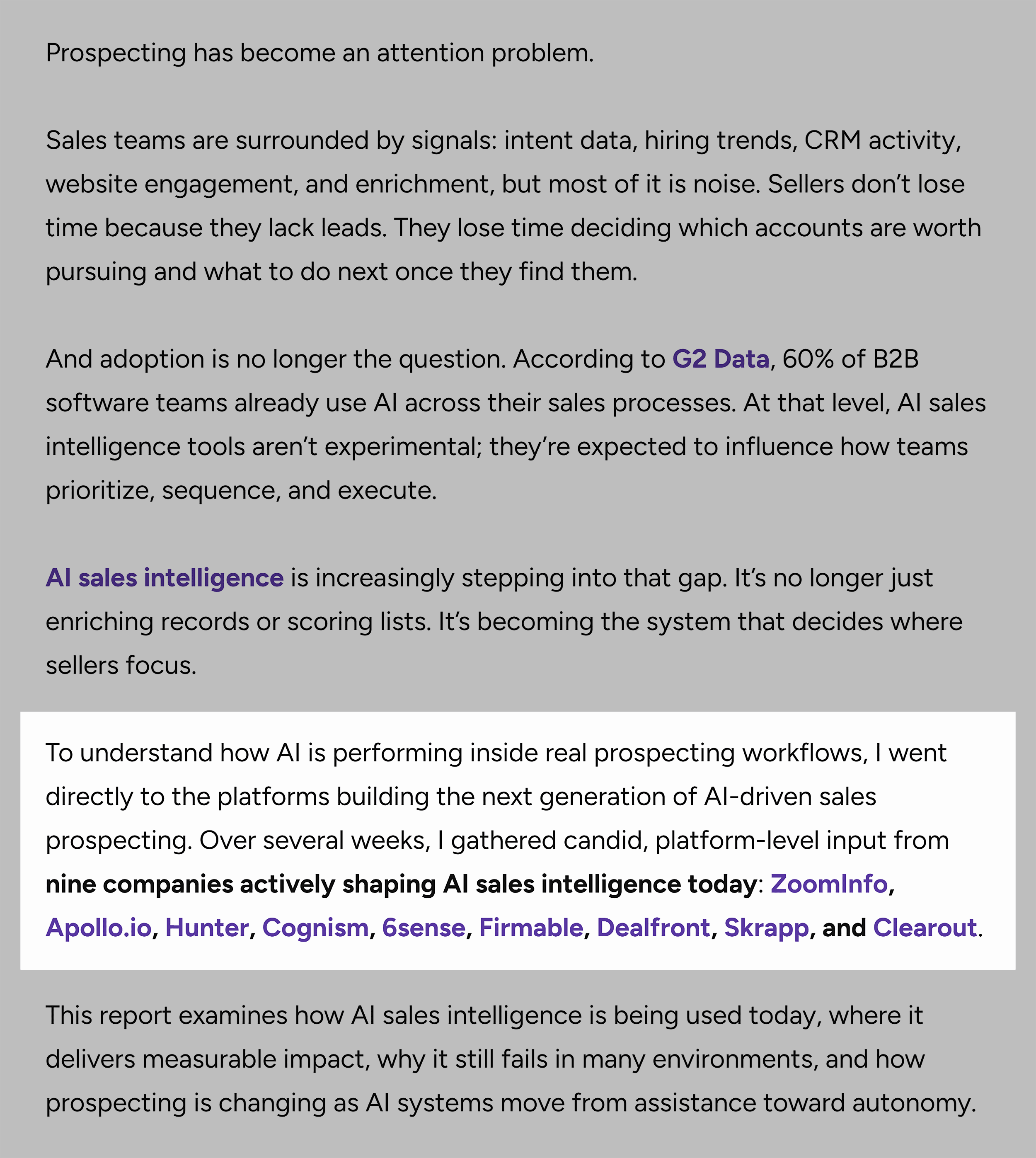
-
Featuring External Experts and Industry Voices
Elevating external practitioners, thought leaders, and complementary brands within proprietary content incentivizes those contributors to share the final product with their own extensive networks. Formats such as expert roundups, comprehensive benchmark reports featuring external commentary, and dedicated interview series place the subject matter expertise of respected professionals front and center. Because the resulting content directly highlights their insights, contributors willingly distribute the material, resulting in high-value organic mentions within specialized communities.
-
Contributing Subject Matter Expertise Through Digital PR
Proactively pitching executive expertise to external podcasts, digital publications, and industry panels establishes direct authority. Rather than pushing promotional sales messaging, thought leaders must offer genuine educational value tailored to the host platform’s audience. Providing actionable frameworks, industry forecasts, or operational case studies makes executive commentary highly attractive to media producers, resulting in robust brand citations across show notes, transcripts, and editorial features.
Tracking and Reporting Brand Mentions to Leadership

Demonstrating the return on investment of brand mention campaigns requires a structured measurement framework. Organizations typically utilize a combination of free tools, social listening platforms, and advanced backlink analytics to monitor their digital footprint.
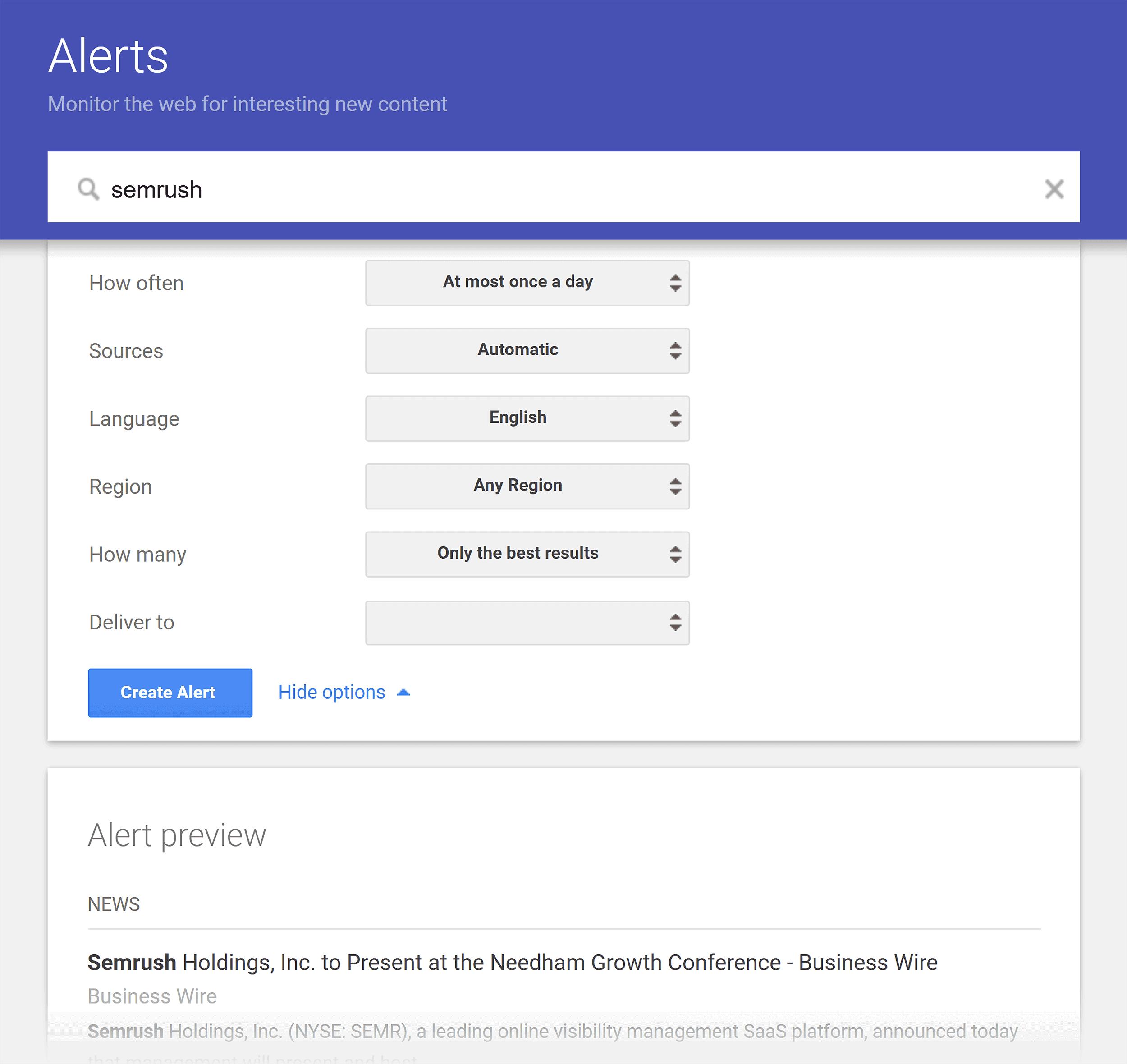
Google Alerts provides a straightforward, accessible starting point for tracking basic textual references across mainstream web publications, though it frequently misses niche community forums and social platforms. Supplementing automated alerts with weekly manual searches across industry-specific subreddits, video platforms, and news aggregators ensures comprehensive data collection.

Advanced social listening suites, such as enterprise brand monitoring software, allow communications teams to track sentiment analysis, geographic distribution, and contextual placement across blogs, review sites, and social networks. Furthermore, backlink analytics tools enable marketers to filter inbound links by specific anchor text matching the brand name, isolating editorial references that carry direct authority.
When reporting these metrics to leadership teams, communication professionals must shift the narrative away from raw volume counts toward qualitative impact. Monthly and quarterly reports should emphasize metrics such as the authority tier of citing domains, the predominant sentiment of discussions, audience reach estimates, and the correlation between promotional campaigns and spikes in brand visibility. By translating qualitative digital presence into clear business intelligence, organizations can successfully secure continued investment in brand-building initiatives that safeguard long-term search and artificial intelligence visibility.