The modern paradigm of travel has long been tethered to the assumption that high-cost experiences equate to cultural immersion. However, a growing body of data and travel trends suggests that the most authentic and memorable aspects of visiting a new destination—architectural vistas, local markets, and community-led events—are frequently accessible at no cost. By shifting the focus from ticketed tourist attractions to the organic infrastructure of a city, travelers can experience significant financial savings while gaining a more nuanced understanding of their destination.
The Institutional Shift: Accessing World-Class Culture for Free
For decades, national institutions have operated under the mandate that cultural heritage should be accessible to the public, regardless of socioeconomic status. This is most notably represented by the Smithsonian Institution in Washington, D.C., which maintains 19 museums and galleries—including the National Museum of Natural History and the National Air and Space Museum—entirely free of charge. This policy is grounded in the 1846 founding bequest of James Smithson, who envisioned an establishment for the "increase and diffusion of knowledge."
Similarly, the British Museum in London serves as a global benchmark for accessible curation. Since the mid-19th century, the museum has maintained free general admission, a practice that sees millions of visitors annually. Data from the Association of Leading Visitor Attractions (ALVA) consistently shows that free-admission sites in the United Kingdom significantly outperform ticketed venues in terms of visitor volume, suggesting that accessibility remains a primary driver for domestic and international tourism.
The rationale behind these free-access policies is rooted in the "democratization of culture." When museums remove the barrier of entry, they effectively expand their reach to a broader demographic, including families and lower-income travelers. Analysis of visitor demographics indicates that while "blockbuster" temporary exhibitions often carry high ticket prices to cover logistical and insurance costs, the permanent collections of these institutions often house the most significant historical and artistic artifacts. By prioritizing permanent galleries, travelers can bypass the "tourist tax" while gaining a deeper educational experience.
Urban Exploration: The Economics of the Self-Guided Walking Tour
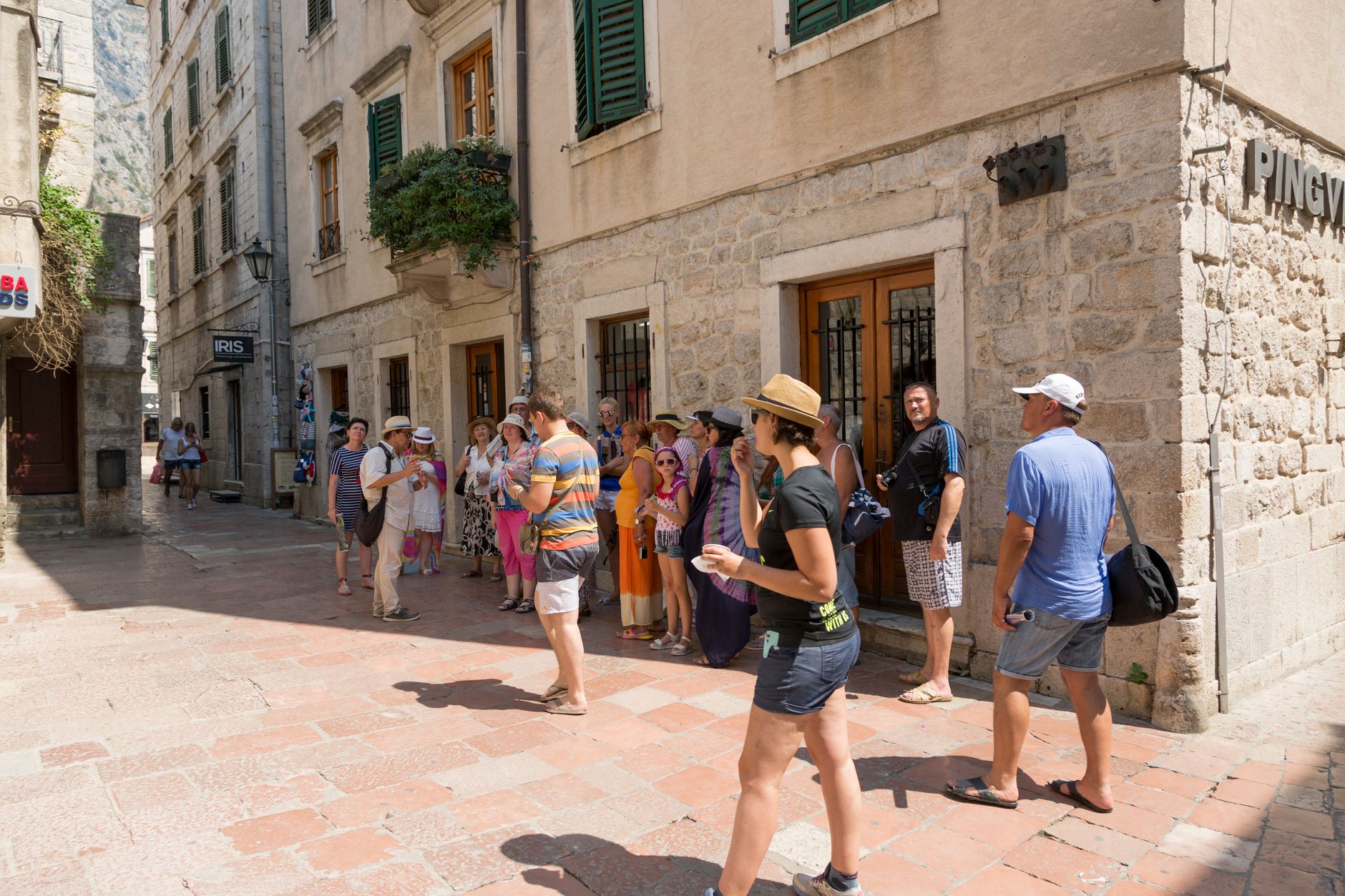
The traditional guided tour model has seen a shift toward the "free" tip-based walking tour. Originating in Europe and gaining popularity across North and South America, these tours are typically operated by independent local guides who rely on gratuities rather than flat-rate commissions.
The economic implications for the city are positive: these tours encourage foot traffic in lesser-known neighborhoods, thereby distributing tourist expenditure across a wider range of local businesses, such as cafes, independent bookstores, and artisan shops. According to recent urban development studies, cities that promote self-guided walking routes through digital mapping and signage report higher rates of visitor satisfaction, as tourists report feeling more "connected" to the city’s layout than those confined to traditional sightseeing bus routes.
Travelers are increasingly using tools provided by municipal tourism boards—such as "city walk" brochures and digital itineraries—to curate their own experiences. The logistical advice for this approach is straightforward: select a single neighborhood and engage with it comprehensively. This method prevents the "tourist fatigue" associated with trying to visit multiple disparate landmarks in a single day, a common pitfall that often leads to increased transportation costs and a shallower experience.
Local Markets: A Micro-Economic Snapshot of Urban Life
Local markets serve as the most effective, zero-cost window into a city’s socioeconomic character. Whether it is a farmers market in the United States, a night market in Southeast Asia, or a flea market in Europe, these spaces function as community hubs that are essentially "free entertainment."
Beyond the act of purchasing, these markets represent a critical element of urban food security and social cohesion. For the traveler, they offer a sensory-rich environment that reveals local dietary habits, craft traditions, and social etiquette. Research into "Market-Based Tourism" suggests that visitors who engage with local food systems are more likely to support the local economy in the long term, as they build a personal connection with the vendors.
To maximize the experience, experts recommend visiting within the first hour of operation. This is when vendors are most likely to engage in conversation and when the selection of produce or goods is at its peak. This practice avoids the congestion of peak hours, providing a more authentic look at the daily routines of the city’s residents.
Public Infrastructure and the Value of Free Vistas
Every major city possesses a public space—be it a park, a waterfront promenade, or an elevated railway—that offers a vantage point for which tourists would often pay for an observation deck ticket. In New York City, the High Line, a public park constructed on a historic freight rail line, provides an aerial view of the cityscape that is entirely free. This project, which transformed an abandoned industrial site into a public asset, has become a model for urban renewal, proving that public infrastructure can double as a premier tourist attraction.
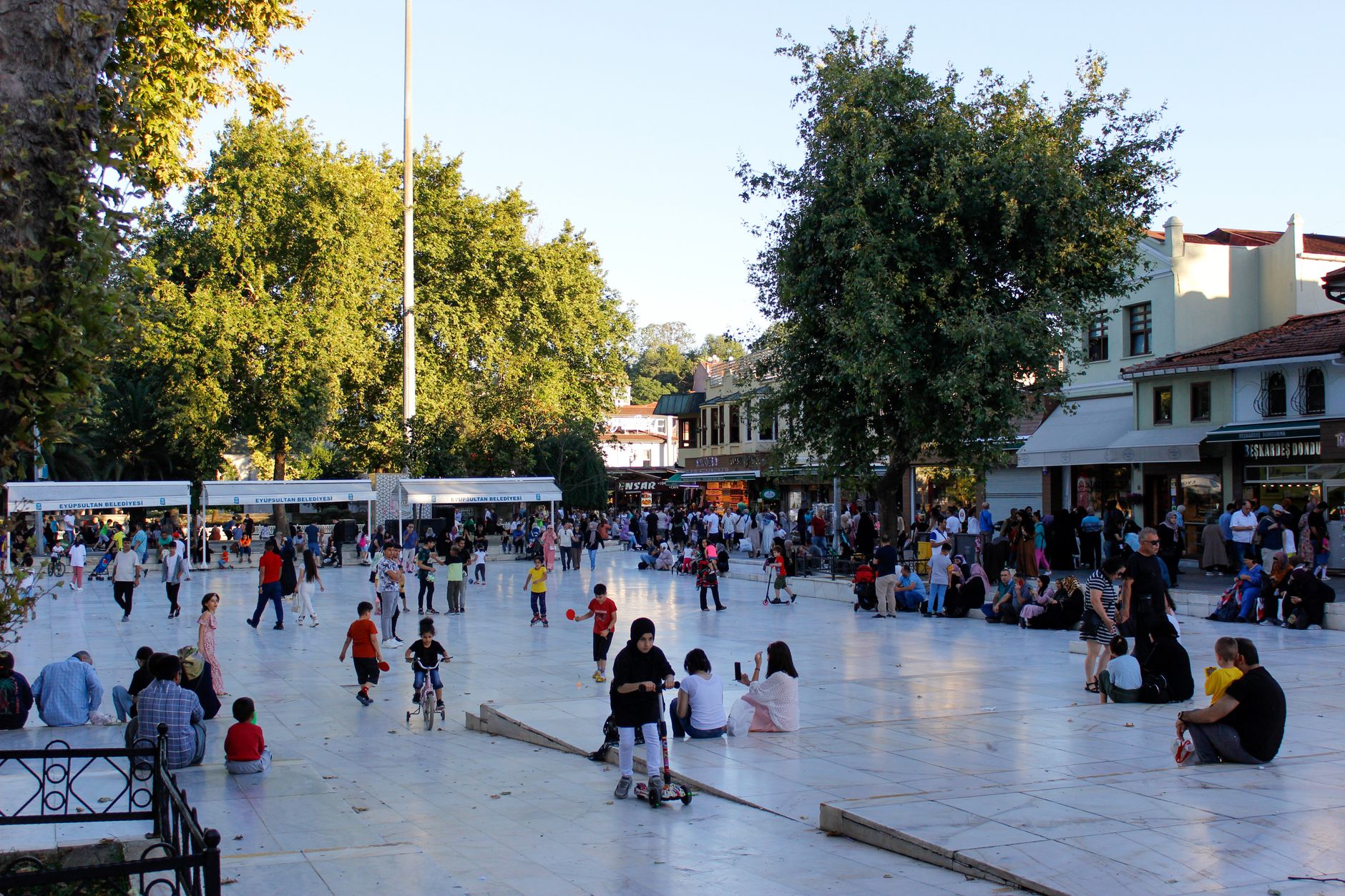
The National Park Service (NPS) in the United States, alongside global counterparts like the UK’s National Trust, manages vast landscapes that remain accessible for free or at a nominal cost. These spaces are vital for environmental conservation and provide necessary green space in dense urban environments. Travelers utilizing these areas are not merely saving money; they are participating in the stewardship of public land.
The Role of Digital Integration in Finding Free Events
The digital landscape has fundamentally changed how travelers locate free events. Platforms like Eventbrite, Meetup, and social media event calendars have decentralized the process of finding concerts, gallery openings, and community lectures. Unlike traditional travel guidebooks, which may only list major events months in advance, these digital tools provide real-time updates.
A critical aspect of this is the "community-event" sector. Whether it is a language exchange meetup or a local photography walk, these events allow travelers to interact with residents in a way that is rarely achieved in traditional tourist settings. For the traveler, this requires a shift in mindset: moving away from the "checklist" approach of sightseeing toward a "participation" approach. By targeting events that are not explicitly branded for tourists, visitors can access a more genuine cross-section of city life.
Long-Term Implications for Sustainable Travel
The "no-spend" approach to travel is not merely a budgetary constraint; it is a philosophy of sustainable tourism. When travelers opt for free museums, walking tours, and local markets, they are effectively reducing their "tourist footprint." They are consuming less, utilizing public transit and foot traffic, and engaging with the city on its own terms.
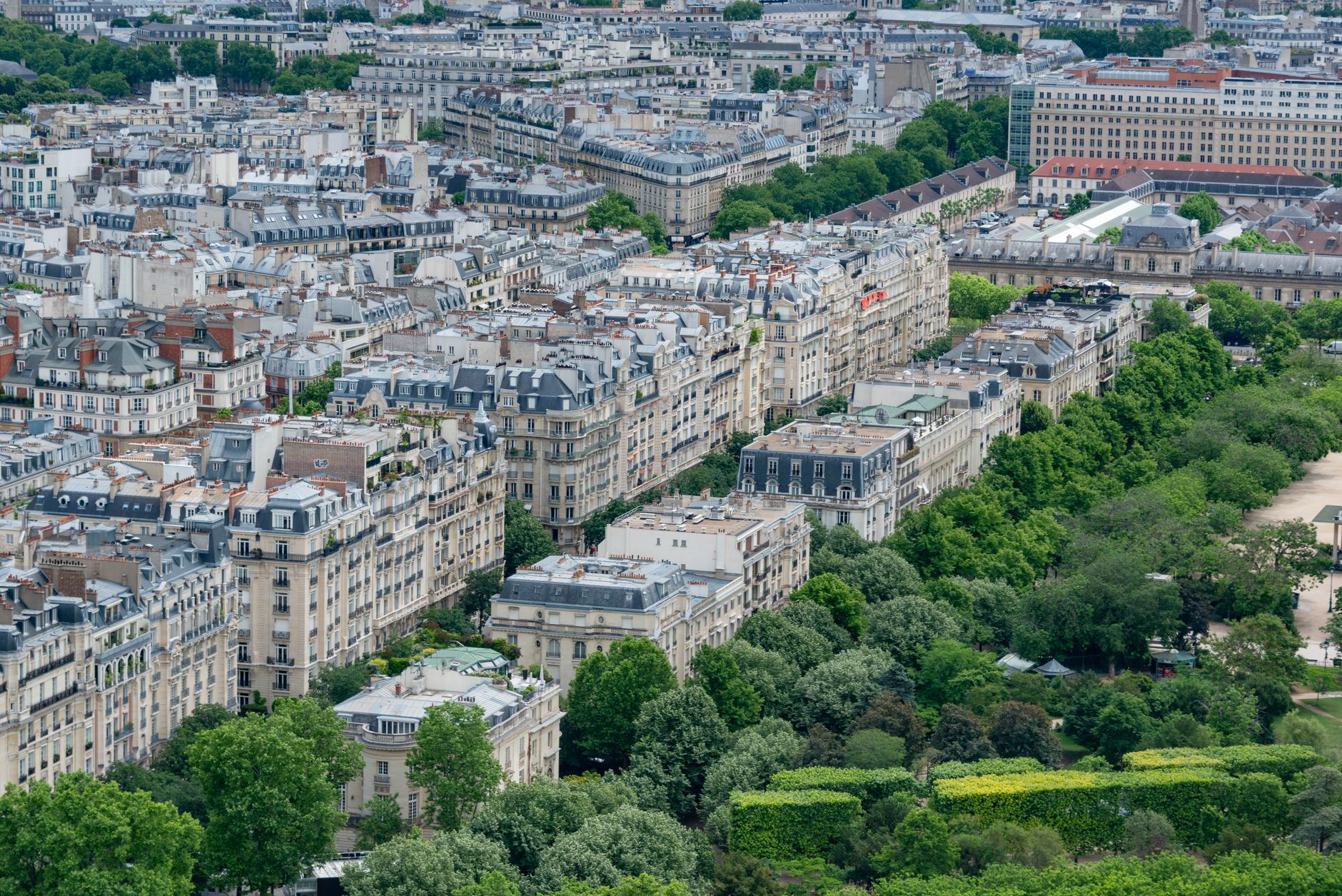
As cities grapple with the challenges of over-tourism, the shift toward distributing visitors across neighborhoods—rather than concentrating them in ticketed, high-traffic zones—is becoming an official priority for many municipal tourism boards. This dispersal of tourists is essential for maintaining the quality of life for residents while ensuring that the economic benefits of tourism are shared more equitably across the city.
In conclusion, the most valuable experiences in any new destination are rarely found behind a paywall. By leveraging public infrastructure, participating in local markets, and utilizing modern digital tools to find community events, travelers can move beyond the superficial layer of tourism. This approach requires more planning and a greater willingness to explore, but the result is a more profound, authentic, and economically sustainable travel experience. The "no-spend" day, once viewed as a limitation, is increasingly being recognized by seasoned travelers as the most effective way to truly arrive at a destination.
Related posts: